Fertilization
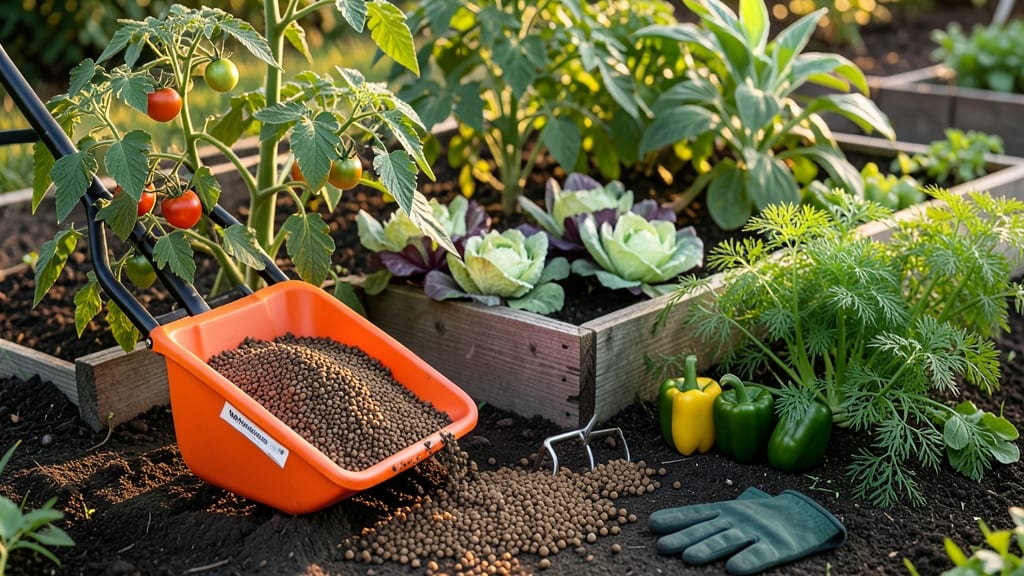
To apply fertilizer to your vegetable garden at the right time means stronger plants and bigger harvests—skip it, and you’ll end up with weak roots or wasted nutrients.
Timing is everything, especially when it comes to your 🥬. Too early, and you risk burning tender seedlings; too late, and your crops miss out on the nutrients they need to thrive.
Most gardeners overlook the critical window between planting and peak growth, which is when fertilizer does the most good.
In this guide, we’ll break down the best times to fertilize—whether you’re prepping soil in spring, nurturing summer blooms, or prepping for fall harvests. You’ll learn how to read your plants for signs of hunger (or overfeeding) and adjust your schedule for organic vs. synthetic feeds.
By the end, you’ll have a foolproof plan to feed your garden the right way, every time—no guesswork, just healthier plants and higher yields all season long.
Best fertilizer application times by vegetable growth stage
Understanding your vegetable plants' growth stages is the secret to timing fertilizer applications perfectly. Each phase—from seedling to harvest—demands different nutrient ratios to fuel that growth. For example, leafy greens like spinach need more nitrogen early on, while tomatoes thrive when phosphorus kicks in during flowering.
Skipping this stage-specific approach often leads to wasted fertilizer or stunted plants.
Most gardeners focus only on spring feeding, but vegetables actually need nutrient boosts at four critical stages: pre-planting, early growth, flowering, and fruiting. Think of it like a meal plan—your plants get hungry at different times!
For instance, peppers need potassium-rich fertilizer when they start setting fruit, while carrots benefit from a nitrogen push when their tops are growing fast.
Here's the game-changer: soil testing before planting reveals what nutrients your garden already has. This prevents over-fertilizing (which burns roots) or guessing wrong (which leads to poor yields). I always test my soil in early spring—it's like reading your plants' nutrition report card before school starts!
Let's break down each stage with real-world examples. During the early growth phase, vegetables like bush beans and lettuce need nitrogen to build leafy tops. I use a fish emulsion here because it releases nutrients slowly, matching the plants' uptake rate.
The key is applying it when you see 3-4 true leaves forming—this is when they're really hungry!
When your plants transition to flowering, switch to phosphorus-rich fertilizers. This is where tomatoes and peppers need extra support to develop fruit. I've found that bone meal works wonders here—just sprinkle it around the base when you see flower buds forming.
Pro tip: Avoid high-nitrogen fertilizers now, or you'll get lots of leaves but few fruits!
The fruiting stage is all about potassium, which helps plants resist diseases and transport nutrients to developing fruits. For my eggplant and squash, I switch to a 5-5-10 fertilizer and apply it every 3-4 weeks.
Watch for signs like yellowing leaf edges—this often means your plants need more potassium. I also make my own banana peel tea for a natural potassium boost!
One common mistake I see is over-fertilizing during the fruiting stage. Too much nitrogen here can actually reduce fruit quality. Always check the NPK ratio on your fertilizer bag—if the first number (nitrogen) is higher than the last (potassium), it's not ideal for fruiting crops.
For example, a 10-10-10 is great for balanced growth, but 5-5-10 is better for fruit production.
Remember that organic fertilizers release nutrients more slowly than synthetics, so you'll need to apply them more frequently. I've had great success with compost tea during the early growth stage—it's like a vitamin shot for your plants!
For synthetic fertilizers, follow the package instructions carefully, as they can burn roots if overapplied. Always water thoroughly after applying any fertilizer to help distribute nutrients.
Timing isn't just about when you apply fertilizer—it's also about weather conditions. Never fertilize when rain is forecast within 24 hours, as nutrients will wash away. Early morning applications work best because plants can absorb nutrients before the heat of the day.
I also avoid fertilizing in extreme heat (above 90°F), as plants struggle to uptake nutrients efficiently.
For container gardens, the rules are slightly different. Since potting mix drains quickly, I fertilize more frequently—every 2-3 weeks during the growing season. Use
Seasonal fertilizing schedule for year-round vegetable gardens
Timing your fertilizer applications is just as important as choosing the right type. In temperate climates, the growing season dictates when to feed your vegetables, while tropical regions offer more flexibility.
I’ve grown vegetables in both zones and learned that cool-season crops like broccoli and spinach need early-season feeding, while warm-season tomatoes and peppers thrive with mid-summer boosts. Let’s break down the best times to fertilize month by month.
Before diving into the schedule, test your soil pH and nutrient levels—this tells you exactly what your garden needs. A simple home soil test kit (around $15) gives you results in minutes. I always test in early spring and adjust my fertilizer plan based on the results.
For example, if your soil is low in phosphorus, focus on bone meal or compost during planting season.
🌱 When to Apply Fertilizer to Your Vegetable Garden
- Early Spring (March-April): Apply balanced fertilizer (10-10-10) at planting for cool-season crops like lettuce and peas. Use compost or worm castings for organic options.
- Late Spring (May): Switch to high-nitrogen fertilizer for leafy greens or phosphorus-rich options for root crops like carrots and beets.
- Summer (June-August): Feed fruiting plants (tomatoes, peppers) with potassium-rich fertilizer every 4-6 weeks. Avoid over-fertilizing—stick to light applications.
- Early Fall (September): Apply slow-release fertilizer for fall crops like kale and radishes. Stop fertilizing by late October to prevent late-season growth.
- Winter (December-February): Skip fertilizing in temperate zones. In tropical regions, use light applications every 8-12 weeks for continuous harvests.
For organic fertilizers, like compost or fish emulsion, I recommend applying them every 4-6 weeks during the growing season. These break down slowly, providing steady nutrients without the risk of burning plants.
Synthetic fertilizers, on the other hand, work faster but require more precise timing—apply them in the morning when plants are actively absorbing water and nutrients.
One mistake I see often is fertilizing dormant plants in winter or right before frost. This encourages weak growth that won’t survive cold temperatures. Instead, focus on soil health by adding organic matter like leaf mold or well-rotted manure. This builds a nutrient-rich foundation for next season’s crops.
In tropical climates, where growing seasons overlap, adjust your schedule to match your local harvest cycles. For example, if you’re growing year-round tomatoes, fertilize every 3-4 weeks with a balanced fertilizer. Always water thoroughly after applying fertilizer to help nutrients reach the roots.
Remember, the key to successful fertilizing is observation. Watch your plants for signs of stress—yellow leaves might mean too much nitrogen, while stunted growth could signal a phosphorus deficiency. With the right timing and adjustments, your vegetable garden will thrive all year round. 🌿