
Pruning
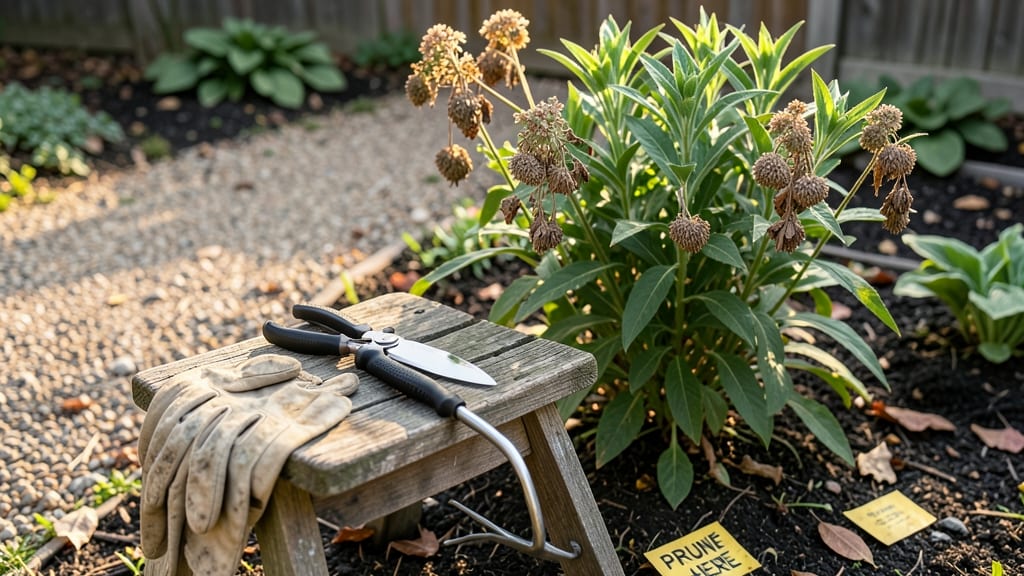
To cut back garden phlox at the right time ensures vibrant blooms next spring and keeps pests at bay—here’s the exact late fall window you’ve been missing.
Struggling to decide when to trim your garden phlox? Cutting at the wrong time can stifle next year’s vibrant blooms—or even invite pests. The secret lies in timing it perfectly for late fall, and we’ll show you exactly how.
In USDA Zone 6, where most gardeners live, the best time to prune is after the first hard frost—typically mid-October—but before the ground freezes. This gives your 🌸 phlox time to shed old foliage while protecting its roots from winter’s chill.
You’ll learn how to spot the ideal moment (and what to do if you miss it), plus the one-step method for clean cuts that prevent disease. Let’s get your phlox ready for a showstopping spring comeback.
The exact late fall timeline for cutting back garden phlox
Timing is everything when it comes to pruning garden phlox in late fall. If you cut back too early, your plants won't have enough time to harden off before winter. But waiting too late risks damaging tender roots when frost hits.
The ideal window is after your first hard frost but before ground temperatures drop below 20°F (-7°C). This ensures phlox enters dormancy with clean stems but still has protected roots.
Your local climate plays a critical role. In USDA zones 3-5, where winters are harsh, you’ll need to act faster—typically within 2-3 weeks after first frost. In milder zones 6-9, you have more flexibility, often until late November or early December.
The key is to prune when foliage looks crispy but stems are still firm—never mushy or frozen.
Here’s a quick comparison to help you decide based on your region and current conditions:
For example, if you’re in USDA zone 6 and your first frost hits on October 15th, aim to prune between November 1st and November 15th. This gives your phlox enough time to recover while avoiding winter’s harshest freeze.
Always check your local extended weather forecast—a sudden cold snap can push your timeline earlier than expected.
One common mistake is pruning after a heavy frost when stems become brittle. This can tear the plant instead of making a clean cut. Instead, wait until the next warm day (above 40°F/4°C) to prune for easier handling. If you’re unsure, test a stem—it should snap cleanly but not crumble.
Pro tip: Mark your calendar now using your average first frost date (find it via the USDA Plant Hardiness Zone Map) and add 3-4 weeks to it.
This gives you a personalized deadline for pruning. For instance, if your frost date is November 1st, schedule pruning for November 20th-25th.
Why does this timing matter? Cutting too early removes protective foliage that insulates stems and roots. But leaving dead growth too long can harbor pests and diseases like powdery mildew or aphids, which thrive in damp, decaying plant matter.
The goal is to balance protection and hygiene—just enough time for the plant to prepare for winter, but not so late that it weakens.
If you’re in a coastal or microclimate zone with milder winters (like parts of zone 7 or 8), you might extend pruning until December 1st. However, always prioritize soil temperature over air temperature—use a soil thermometer to confirm it’s above 20°F (-7°C) at a 4-inch depth.
Remember, garden phlox is perennial, meaning it comes back year after year. Proper late-fall pruning sets the stage for stronger stems and bigger blooms next spring. Take your time, follow your zone’s guidelines, and your phlox will reward you with vibrant, healthy growth for seasons to come. 🌸
How to prune garden phlox: step-by-step method for healthy regrowth
Pruning garden phlox correctly is the key to vibrant blooms next spring. Unlike many perennials, you never cut phlox all the way to the ground—this can damage the crown and invite rot.
Instead, aim to trim stems to 3-4 inches above the soil line while leaving the base intact. This method protects the dormant buds that will sprout new growth in early spring.
Using the right tools makes all the difference. Grab a pair of sharp, clean pruners (sterilized with rubbing alcohol) and a small hand pruner for thicker stems. Avoid dull tools, as they can tear stems and create open wounds that attract pests.
Work on a dry, sunny day to reduce mildew risk and make cleanup easier.
Here’s your step-by-step pruning guide for late fall, tailored to USDA zones 3-9:
- 1 Wait for the first hard frost (when temps drop to 25-30°F). This signals the plant to enter dormancy and hardens stems for safer pruning.
- 2 Cut stems to 3-4 inches tall, using a 45-degree angle just above a leaf node. This encourages basal buds to sprout new growth in spring.
- 3 Remove all dead or diseased foliage separately and dispose of it in the trash (not compost). This prevents fungal spores from overwintering in your garden.
- 4 Apply 2-3 inches of mulch around the base (but not touching the crown) to insulate roots and retain moisture. Use straw or shredded leaves for best results.
- 5 Water deeply before winter (if rainfall is less than 1 inch/weekhydrate the root zone before the ground freezes. Avoid overwatering, which can drown roots in heavy clay soil.
After pruning, resist the urge to tidy up the garden bed too aggressively. Leaving a light layer of stems (up to 6 inches) can protect the crown from temperature fluctuations during winter.
In warmer climates (zones 8-9), you can prune as late as early December, but always wait until after the first frost.
Avoid these common pruning mistakes that can harm your phlox: cutting too low (below 3 inches), using dull tools, or pruning in wet weather. Over-pruning can also reduce next year’s blooms, so stick to the 3-4 inch rule religiously.
With proper care, your phlox will reward you with lush, healthy growth and stunning summer flowers.
🌸