
How To
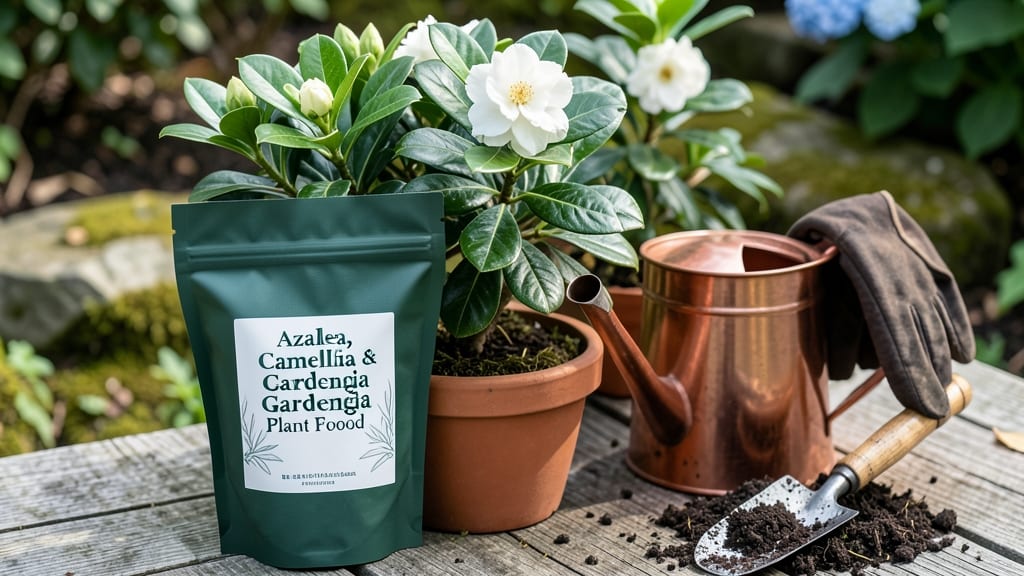
To fertilise gardenias at the right time means catching them just as the buds form in early spring and again in late summer—timing that turns weak stems into lush blooms and keeps your 🌸 thriving year-round.
Here’s the catch: most gardeners overdo it in summer, burning roots with too much nitrogen, or skip spring entirely, leaving their plants starved for the big bloom season. I’ve seen gardenias go from sparse flowers to full, fragrant clusters in just one season by adjusting when—and how—I fed them.
In USDA Zone 6, the key windows are April (when new growth starts) and late August (to prep for fall blooms), but tropical climates need a different rhythm. Below, I’ll walk you through the exact schedule, the best fertilizers to use, and how to spot when you’ve gone too far.
You’ll leave here knowing not just when to fertilise, but how to read your gardenia’s leaves for hunger cues, the one pH trick that makes nutrients stick, and why fall feeding is a myth in cooler zones.
Best times to fertilise gardenias for maximum blooms (spring & fall schedule)
Timing is everything when it comes to fertilizing gardenias. These fragrant shrubs thrive on a seasonal feeding schedule that aligns with their natural growth cycles. Fertilizing at the wrong time can lead to leaf burn, stunted blooms, or even plant stress.
The key is to feed them when they’re actively growing—not during dormancy or extreme heat.
In temperate climates, gardenias follow a clear pattern: spring awakening (March-May) and fall recovery (September-October). Tropical climates, however, may extend feeding into early winter due to warmer temperatures. Let’s break down the exact months and actions to take for maximum blooms and healthy foliage.
In spring, gardenias wake up from dormancy and need a nutrient boost to support new growth and bloom buds. Start feeding in March with a light application of acidic fertilizer, then increase to full strength by April.
This is when your gardenias are setting buds for their summer blooms, so consistency is key.
By June and July, your gardenias should be in full bloom. However, summer heat can stress them, so switch to a light feeding schedule every 6-8 weeks.
Avoid fertilizing during heatwaves, as it can cause leaf scorch or root burn. Instead, focus on deep watering and mulching to keep roots cool.
As temperatures drop in late summer, gardenias begin preparing for dormancy. This is the perfect time to taper off fertilization. By September, stop feeding entirely to allow your plants to harden off for winter.
In tropical climates, you might extend feeding into early fall if your gardenias are still blooming, but avoid fertilizing once blooms slow down.
Winter is a critical rest period for gardenias. During this time, they’re not actively growing, so no fertilizer should be applied. Over-fertilizing in winter can lead to salt buildup in the soil, which harms roots. Instead, focus on light pruning
How to choose the right fertilizer for gardenias (and when to avoid it)
Gardenias thrive on acid-loving fertilizers that mimic their natural tropical soil conditions. The wrong type can cause yellow leaves or stunted growth, while the right one promotes lush foliage and fragrant blooms. Always check your fertilizer’s pH level—gardenias need soil between 5.0-6.5 for optimal nutrient uptake.
Iron chelates are my go-to for gardenias because they correct yellowing leaves (a classic deficiency sign) while providing essential nutrients. These water-soluble fertilizers work fast and won’t alter soil pH drastically, making them ideal for container plants. For organic gardeners, cottonseed meal or peat moss blends are excellent choices.
Here’s a quick guide to help you decide when and how to fertilize your gardenias—plus what to avoid:
✅ When to Fertilise Gardenias
Stimulate new growth with a balanced 10-10-10 fertilizer after last frost.
Use a low-nitrogen fertilizer to support foliage recovery.
During active growth (spring-summer), feed lightly to avoid burning roots.
Apply fertilizer in the early morning to prevent leaf scorch.
❌ When to Avoid Fertilising
Fertilizing in fall/winter stresses plants and encourages fungal growth.
Avoid lime-based or high-pH products—they lock out iron.
Brown leaf tips or leaf drop mean you’ve overdone it—flush soil with water.
Never fertilize if soil is dry—always water first to activate nutrients.
If your gardenia’s leaves turn yellow between veins, it’s a cry for iron chelate. Mix 1 tsp per gallon of water and spray foliage monthly until color improves. For organic options, try fish emulsion or compost tea—both provide nutrients without disrupting soil acidity.
Pro tip: Test your soil’s pH every 2-3 years. Gardenias hate alkaline soil, so if your pH creeps above 6.5, amend with sulfur or pine needles. A happy gardenia is a fragrant gardenia—and the right fertilizer makes all the difference! 🌸