How To
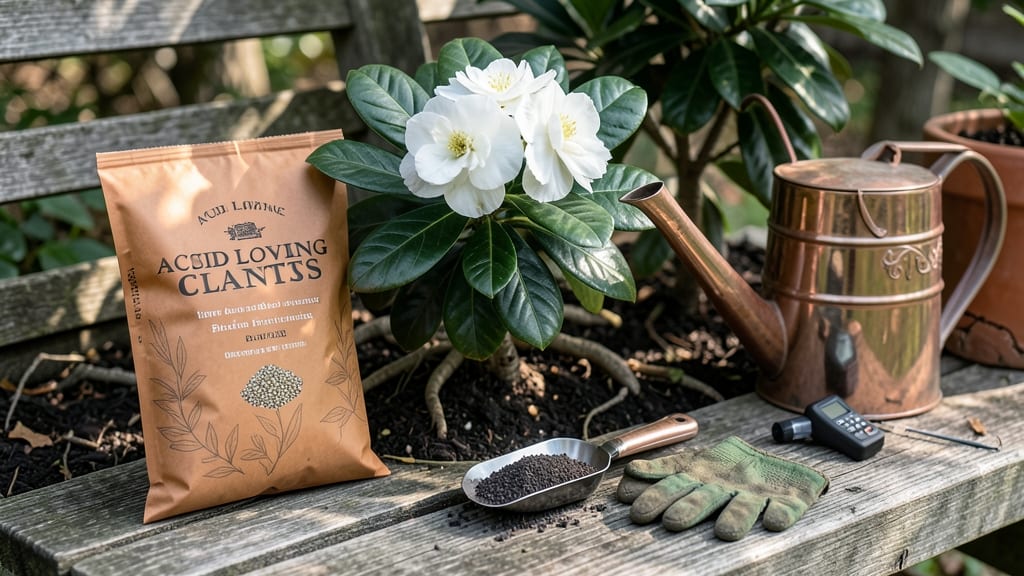
Fertilizing gardenia 🌸 at the right time is the secret to those lush, fragrant blooms you’ve been dreaming of—miss the window, and you might end up with leaves instead of flowers.
Struggling to get your gardenia plants to produce those intoxicating, fragrant blooms year after year? Timing your fertilization could be the missing piece—too early or too late, and you might miss the bloom window entirely.
Gardenias thrive when fed during their active growth phase, which starts in early spring and peaks through summer. But here’s the catch: over-fertilizing in fall or winter can stunt growth or even kill your plant.
In this guide, I’ll break down the exact months to fertilize, how often to feed, and what signs to watch for—so you can enjoy a gardenia that bursts with blooms instead of struggling to survive.
Optimal gardenia fertilization schedule by season for maximum blooms
If you've ever dreamed of your gardenia shrubs bursting with fragrant white blooms from spring through summer, timing your fertilization schedule is the secret weapon.
Gardenias thrive when fed at the right moments—too early and you risk leggy growth with few flowers, too late and you might miss the entire bloom cycle. The key lies in understanding their natural growth phases and aligning fertilization with those rhythms.
Gardenias are acid-loving plants that demand consistent nutrition, but they also need periods of rest. In my USDA Zone 6a garden, I’ve learned that fertilizing at the wrong time can actually stress the plant and reduce blooms.
The solution? A seasonal fertilization plan that matches their bloom cycle—typically April through July—with strategic feeding in spring, summer, and minimal touch-ups in fall.
Here’s the golden rule: Feed gardenias when they’re actively growing (spring and summer) and skip fertilization entirely during dormancy (fall and winter). Overfeeding in winter can lead to root burn and even leaf drop, while underfeeding in spring delays blooming. Let’s break down the month-by-month schedule that’s transformed my gardenias from sparse bloomers to fragrant powerhouses.
| Season | Month | Fertilization Action | Frequency | Notes |
|---|---|---|---|---|
| Spring | March | Light feed (½ strength) | Once | Stimulate root growth post-dormancy |
| April-May | Full feed (balanced NPK) | Every 4 weeks | Pre-bloom growth phase | |
| June | Full feed (high phosphorus) | Every 4 weeks | Encourage blooming | |
| Summer | July-August | Maintenance feed (½ strength) | Every 6 weeks | Support ongoing blooms |
| September | None | — | Transition to dormancy | |
| Fall | October-November | None | — | Avoid winter stress |
| December-February | None | — | Dormant period |
For gardeners in warmer climates (Zones 8-10), the schedule shifts slightly—fall fertilization can extend into November to support winter blooming varieties.
In my Zone 6a garden, I’ve found that gardenias bloom most heavily in June and July, so I prioritize phosphorus-rich feeds in May and June to trigger those showstopping white blooms. If you’re in a cooler zone, focus your efforts on spring and early summer feeding.
One common mistake I see is over-fertilizing in late summer, which can lead to new growth that won’t harden off before fall frosts. Instead, I taper off feeds by August to let the plant prepare for dormancy.
This post-bloom recovery phase is crucial—it’s when your gardenia stores energy for next year’s fragrant blooms.
Pro tip: Always fertilize in the early morning to avoid leaf burn from afternoon sun. I use a slow-release fertilizer with an NPK ratio of 6-6-6 or 8-3-9—the higher phosphorus (middle number) encourages blooming, while the nitrogen (
Signs your gardenia needs fertilizer (and when to avoid it)
Your gardenia might be whispering for help—literally! If those glossy, fragrant blooms are sparse or missing entirely, nutrient deficiencies could be the culprit.
But before grabbing that fertilizer, learn to read your plant's signals. Yellowing leaves or slow growth often mean it's time to feed, but brown leaf edges or wilting could signal over-fertilization. Understanding these signs ensures you're feeding at the right time, not just any time.
Gardenia plants thrive on a balanced diet rich in iron and acidity, but timing matters just as much as the type. Fertilizing too early in spring can encourage leafy growth over blooms, while feeding late in fall disrupts dormancy.
The key is to fertilize when your gardenia is actively growing—typically from late spring through summer—and to stop feeding by early fall to prepare for winter.
When to Fertilize Gardenia
- Encourages blooms: Boosts flower production
- Healthy foliage: Promotes lush, dark green leaves
- Seasonal growth: Supports active growth in spring/summer
- Burnt roots: Overfeeding causes leaf scorch
- Delayed blooms: Too much nitrogen = fewer flowers
- Fall/winter stress: Feeding disrupts dormancy
- After last frost (April-May)
- Every 4-6 weeks in growing season
- When new growth appears
- During dormancy (fall/winter)
- If soil is soggy or roots are wet
- When leaves are yellow with brown edges
Start by checking your gardenia's leaves—healthy ones should be deep green and glossy. If you notice yellowing between veins, it’s often a sign of iron deficiency, while pale yellow leaves may indicate nitrogen needs.
For blooms, look for buds that drop before opening—this is a classic sign your plant needs phosphorus. But if your gardenia’s leaves are crispy or brown at the edges, you’ve likely overdone it with fertilizer.
Seasonal cues are your best guide. In spring, fertilize lightly after the last frost to encourage new growth. By summer, switch to a bloom-boosting fertilizer every 4-6 weeks. Come fall, stop fertilizing entirely to let your gardenia rest.
Winter is a no-feed zone—your plant is dormant and doesn’t need nutrients. Pay attention to these seasonal rhythms, and your gardenia will reward you with abundant, fragrant blooms year after year.
Pro tip: Always water your gardenia before fertilizing to prevent root burn. Use a well-draining, acidic soil mix (pH 5.0–6.5) and apply fertilizer in the morning to avoid fungal issues.
If you’re unsure, do a simple soil test—it’s the best way to know exactly what your gardenia needs before reaching for the fertilizer.
Remember, gardenias are sensitive plants. They’ll tell you when they’re hungry—but they’ll also scream if you overfeed. Listen closely, and you’ll strike the perfect balance for healthy growth and stunning blooms every season. 🌸