Picking
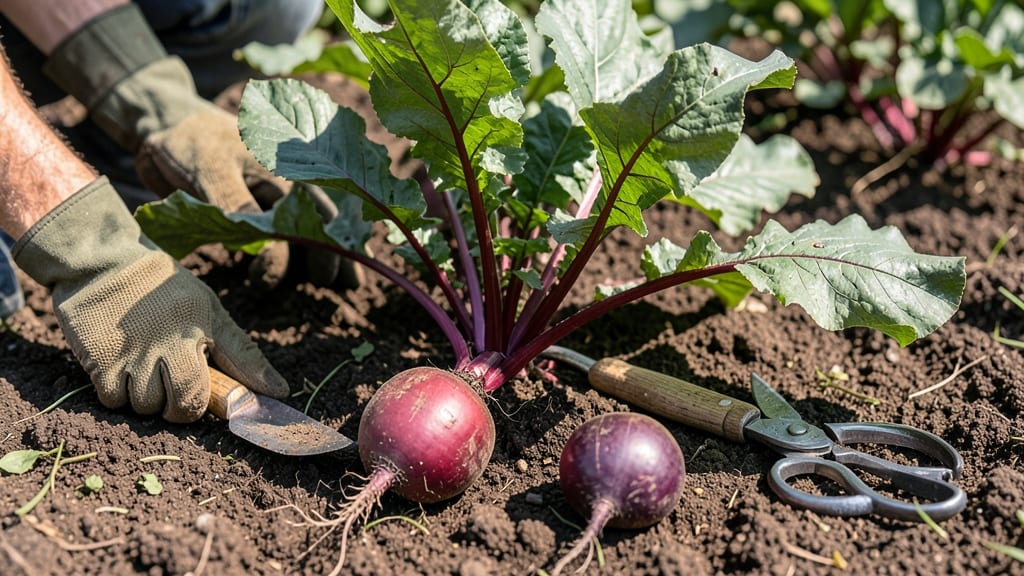
Harvesting beets from your garden at the right time means the difference between tender, sweet roots and tough, woody messes 🟣 — and it all comes down to size, season, and a little taste test.
Picture this: you’ve spent weeks nurturing your beets, only to pull them too late and end up with roots so hard they could double as doorstops. Or worse, you harvest too early and miss out on their peak flavor.
The good news? With a few simple tricks, you can nail that perfect window every time.
Most gardeners aim for roots between 1 and 3 inches in diameter, but the real secret lies in the soil and the season. Spring-planted beets in USDA Zone 6a hit their sweet spot in June or July, while fall crops can wait until October if the weather cooperates.
But size alone isn’t the whole story—soil moisture and temperature play a role too.
In this guide, I’ll walk you through the exact visual cues to watch for, how to perform a quick flavor test, and even when to leave beets in the ground for late-season harvests. By the end, you’ll know precisely when to pull your beets for the best taste and texture.
How to determine beet root size for perfect harvest timing
Knowing when to harvest beets from your garden depends entirely on the root size and variety you're growing. Baby beets (under 1 inch) are tender and sweet, while mature roots (2-3 inches) offer a deeper flavor.
The key is understanding how different beet varieties grow and when they reach peak sweetness. For example, 'Detroit Dark Red' matures faster than 'Golden' varieties, so timing varies. Start checking roots when foliage reaches 4-6 inches tall—this is when they become visible above the soil.
Seasonal growth patterns also play a role. In spring plantings, beets typically reach harvest size in 50-60 days, while fall plantings may take slightly longer due to cooler soil temperatures.
Early harvests in warm climates can happen in as few as 45 days, but don't rush—small roots often lack sweetness. The ideal harvest window is when roots are 1-3 inches in diameter, balancing tenderness and flavor.
Here’s how to check readiness without digging up every root:
| Variety | Root Size | Days to Harvest | Best Time to Pull |
|---|---|---|---|
| Detroit Dark Red | 1.5-2.5 inches | 50-60 days | June-July (spring) or Oct-Nov (fall) |
| Golden | 2-3 inches | 60-70 days | July-Aug (spring) or Nov (fall) |
| Baby Beets (e.g., 'Little Ball') | 1 inch or less | 30-40 days | May-June (spring) or Sept (fall) |
| Chioggia (Striped) | 2-2.5 inches | 55-65 days | June-July (spring) or Oct (fall) |
For baby beets, harvest when roots are 1 inch or smaller—these are perfect for salads and quick cooking. Their sweetness peaks early, but they’re also more delicate. If you’re growing for storage, aim for 2-3 inch roots, as they’ll keep longer in the fridge.
Over-mature beets (larger than 3 inches) become woody and lose sweetness, so monitor growth closely.
Soil conditions also affect timing. Cool weather (50-70°F) slows growth slightly, while hotter temperatures (above 80°F) can speed it up. In regions with long growing seasons, you can stagger plantings every 2 weeks for a continuous harvest.
This works especially well for Detroit Dark Red or Chioggia varieties, which thrive in both spring and fall.
One trick I use is the "gentle squeeze test". When roots are visible above the soil, gently squeeze them through the dirt. If they feel firm and round, they’re ready. If they’re soft or irregular, wait a few more days.
This method helps avoid digging up underdeveloped roots. For striped varieties like Chioggia, the rings become more defined as they mature—wait until they’re clearly visible.
Don’t ignore the leaf color either. Healthy beet greens should be deep green and vibrant. Yellowing or wilting leaves signal stress, which can affect root development. If you notice this, check for overwatering or nutrient deficiencies and adjust care before harvesting.
For golden beets, the foliage may turn slightly yellowish as they mature, but the roots should remain crisp and firm.
Harvest timing also depends on your climate zone. In USDA Zone 6a, spring-planted beets are usually ready by late June, while fall plantings can extend into October or November.
In warmer zones (like Zone 8), you might harvest as early as May for spring plantings or as late as December for fall crops. Always check local frost dates—beets can tolerate light frosts, but heavy freezes will damage roots.
Pro tip: If you’re unsure, harvest a few test roots and taste them. The sweetest beets have a balanced sugar-to-fiber ratio, which is easiest to judge by cooking a small sample. Over-mature beets taste bitter and fibrous, while underripe ones lack depth.
This simple test ensures you’re harvesting at the perfect moment for maximum flavor. Save any imperfect roots for soups or roasting—they’ll still add great texture!
Finally, remember that harvesting beets doesn’t end the plant’s usefulness. The greens are edible too and can be harvested separately by cutting leaves 1-2 inches above the root. This allows the root to keep growing for another
The flavor sweetness test: when beets taste best in your garden
Harvesting beets at the perfect moment transforms your garden into a sweetness factory. The key lies in understanding how soil moisture, temperature fluctuations, and root development all work together to create that ideal flavor.
Unlike many vegetables, beets actually become sweeter when exposed to cooler temperatures—like nature’s candy store! But wait too long, and you’ll end up with tough, woody roots that even the best cooking can’t save.
Start by checking your beet leaves—they’re the plant’s first clue about harvest readiness. When the foliage reaches about 4-6 inches tall and the roots are visible above the soil, it’s time to dig deeper.
But before you pull, perform this simple flavor sweetness test to guarantee peak taste. The secret? A combination of firmness, color intensity, and a quick taste check from one test beet.
⚠️ Harvest Too Late Warning
Over-mature beets develop woody texture and bitter flavor. Look for these signs of missed harvest timing:
- Root diameter exceeds 3 inches
- Leaves yellow or wilt unexpectedly
- Stem snaps with resistance instead of clean break
- Color fades or develops green ring around edges
Pro Tip: In hot climates (Zones 8-10), beets may bolt prematurely—harvest when roots reach 1.5-2 inches to avoid bitterness.
Begin your flavor test by selecting a beet that meets your size criteria—typically 1-3 inches in diameter. Gently squeeze the root: it should feel firm but not hard. If it’s soft, it’s underripe; if it’s rock-hard, it’s past its prime.
Next, examine the color intensity. Deep, consistent hues (red, gold, or purple) signal peak sweetness, while pale or uneven colors mean more time in the ground is needed.
For the final test, cut a small slice from the test beet and taste it raw. The flavor should be naturally sweet with minimal earthiness. If it tastes bland or slightly bitter, leave it in the soil for another 3-5 days.
Remember, cooler nighttime temperatures (50-60°F) enhance sweetness—so fall-planted beets often taste better than their spring counterparts. In hot climates, harvest earlier to prevent bolting and bitterness.
Adjust your harvest timing based on your local climate zone. In cooler regions (Zones 3-6), beets planted in early spring can wait until late June for ideal flavor, while fall plantings should be harvested by first frost.
Gardeners in warm zones (7-10) should aim for harvest between September and November to avoid heat stress. Always check soil moisture—consistently dry soil accelerates maturation and reduces sweetness.
Once you’ve mastered the sweetness test, you’ll never settle for less-than-perfect beets again. Store your freshly harvested beets in cool, dark conditions (40-50°F) for up to 2 weeks to maintain their sweetness.
For extended storage, try curing and canning—this process actually concentrates the natural sugars for year-round enjoyment. Your garden’s hard work deserves this sweet reward!