Picking
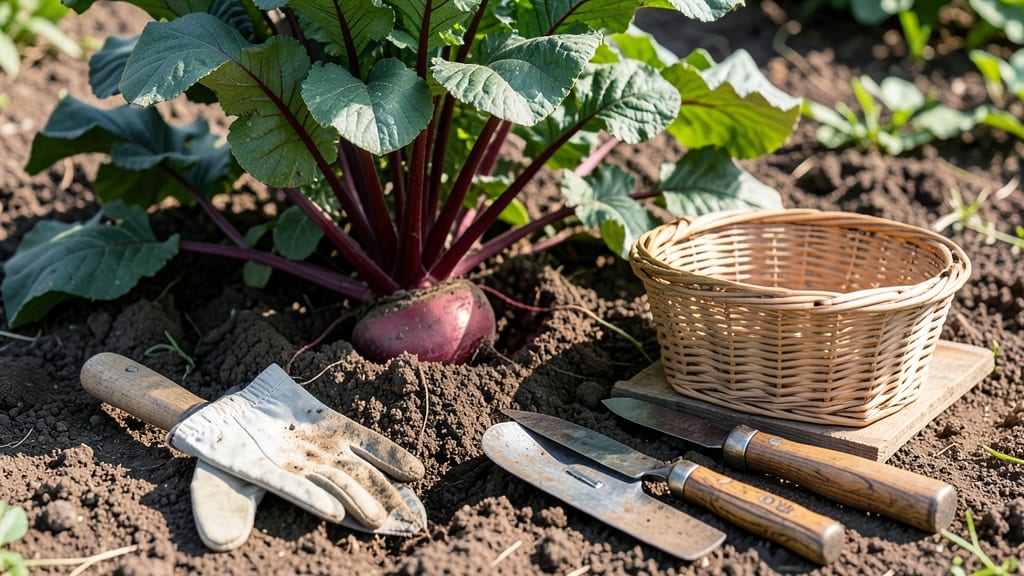
To pick beetroot from the garden at its sweetest, watch for roots that are 1 to 3 inches in diameter and a deep, consistent color 🍠—this is the golden window between tender young beets and tough, woody overgrowth.
Harvesting beetroot at the wrong time can mean tough, woody roots or bitter greens—so knowing the exact moment to pull them is key to unlocking their sweetest, most flavorful potential.
You’ll spot the perfect time by checking the leaf color: vibrant, dark green tops signal a root ready for harvest, while pale or yellowing leaves mean it’s either too early or too late.
Below, I’ll break down the three color clues that reveal when your beetroot is at peak sweetness, plus how to handle them after pulling for storage that lasts weeks.
How beetroot color reveals perfect harvest timing (3 key stages)
Beetroot is one of those magical vegetables where color doesn’t just add beauty—it reveals the perfect moment to harvest. The leaf and root hues change dramatically as beets mature, giving you clear visual cues to pull them at their sweetest.
Ignore these signals, and you risk woody roots or bitter greens—neither of which tastes like the tender, earthy delights you’re growing for.
I’ve learned the hard way that timing matters more than most gardeners realize. In my first year growing Chioggia and Detroit Dark Red varieties, I harvested too late, and the roots were tough as boots.
Now, I watch for these three key color stages to ensure peak flavor every time. Let’s break down what to look for at each phase.
| Stage | Root Color | Leaf Color | Size | Flavor | Harvest Time |
|---|---|---|---|---|---|
| Early (Tender) | Pale white or light pink | Bright green with purple stems | 1-2 inches diameter | Mild, slightly earthy | 40-50 days after sowing |
| Mid (Sweet) | Deep red, gold, or purple (varies by type) | Dark green leaves, no yellowing | 2-3 inches diameter | Peak sweetness, rich flavor | 50-60 days after sowing |
| Late (Overmature) | Dull, streaked, or woody texture | Yellowing or brown edges | 3+ inches (often lumpy) | Bitter, fibrous, tough | Avoid—past prime! |
The early stage is perfect for baby beets—great for salads or quick cooking. Here, the roots are still tender with a mild, slightly sweet taste. The leaves are vibrant, and the roots barely peek above the soil line.
This is your first harvest window, typically around 40-50 days after planting, depending on your climate.
My favorite moment comes at the mid-stage, when the roots develop their signature deep colors. For Detroit Dark Red, this means a rich burgundy; for Golden Beets, a sunny golden hue.
The leaves remain dark green and healthy, and the roots reach about 2-3 inches in diameter. This is when beetroot hits its peak sweetness, making it ideal for roasting or pickling.
If you miss the mid-stage window, don’t panic—just watch for the late-stage warning signs. Overmature beets develop a dull, streaked appearance and may even split or crack. The leaves start yellowing at the edges, and the roots can become woody and bitter.
I’ve seen gardeners harvest these by mistake, only to be disappointed by the texture. Trust me, color is your best guide!
Pro tip: Harvest in the morning when temperatures are coolest. This preserves the vibrant colors and sweetness of the roots. Use a fork to gently loosen the soil around the beet before pulling—this prevents damage to the root’s skin.
Once harvested, store them in a cool, dark place (like a root cellar) to maintain their freshness for weeks.
For continuous harvests, I plant successive crops every 2-3 weeks. This ensures a steady supply of fresh beets throughout the growing season. The key is to monitor leaf and root colors weekly—this simple habit saves you from ending up with a batch of tough, overgrown roots.
Happy harvesting!
Remember, beetroot color is nature’s harvest calendar. Whether you’re growing Chioggia’s swirling patterns or Detroit’s deep reds, these visual cues are your ticket to the best-tasting beets. Pay attention, and your garden will reward you with sweet, flavorful roots every time. 🌱
3 Common mistakes that ruin beetroot flavor (and how to avoid them)
Beetroots are delicious when harvested at the right time, but over-mature roots turn tough and woody, while underripe beets stay bitter and bland. The difference between a sweet, juicy beet and a disappointing one often comes down to timing and growing conditions.
Let me share the most common mistakes that sabotage flavor—and how to fix them.
First, many gardeners wait too long to harvest. When beetroots grow beyond 3 inches in diameter, their flesh becomes fibrous and less tender. The sugars that make beets sweet also convert to starch as they mature, leaving you with a less flavorful root.
Even the leafy greens can become bitter if left unattended.
⚠️ callout-warning ⚠️
🚨 Don’t Wait for Perfect Size!
Harvest beetroots when:
- Roots are 1-3 inches in diameter (size of a golf ball to baseball)
- Leaves are dark green and vibrant (not yellowing or wilted)
- Color is deep and consistent (no pale patches)
Waiting longer for "bigger" beets = tough, woody texture and lost sweetness.
Another frequent mistake is ignoring environmental stress. Beetroots are sensitive to heatwaves and drought, which cause them to develop concentric rings (a sign of uneven growth). When soil dries out, the roots shrink and become hard, making them unappetizing.
Even overwatering can lead to hollow centers or cracked skins, ruining both texture and flavor.
To prevent this, mulch around your beet plants with 2-3 inches of straw to retain moisture and regulate soil temperature. Water deeply in the morning (1 inch per week) and avoid letting the soil dry out completely.
If you notice the outer leaves wilting, it’s a sign to water immediately—don’t wait until the roots show signs of stress.
Finally, many gardeners harvest all beets at once, assuming they’ll ripen uniformly. But beetroots mature at different rates, especially in uneven soil or mixed varieties. Instead, harvest a few roots every 2-3 days once they reach the ideal size.
This extends your harvest window by 2-3 weeks and ensures you always enjoy the sweetest, most tender beets.
By avoiding these three mistakes—over-maturity, environmental stress, and delayed harvesting—you’ll enjoy beets that are sweet, tender, and packed with flavor. The key is to stay attentive to size, color, and soil conditions, and you’ll never struggle with tough or bitter roots again. Happy harvesting!