Picking
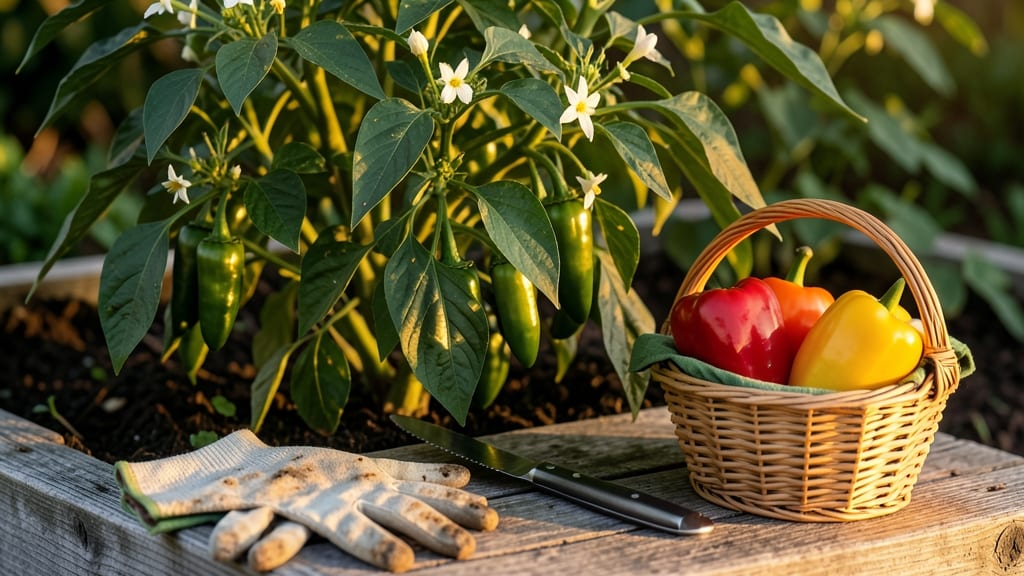
Picking garden salsa peppers at the right time turns a handful of fiery 🌶️ pods into the boldest flavor in your kitchen.
Timing is everything when harvesting salsa peppers—pick too early, and you’ll lose flavor and heat; wait too long, and they’ll turn mealy or bitter. Mastering the perfect moment ensures fiery, vibrant peppers for every salsa recipe.
Most varieties peak between 60 to 90 days, but color and firmness—deep green, glossy skin, or the first blush of red—are the real clues. In Zone 6a, July through early October is prime harvest season, but heat waves can speed things up.
Below, I’ll break down the color-coded ripeness chart, tactile tests, and how to stretch your harvest for months of perfect heat in every batch.
Color-coded ripeness guide: when to harvest salsa peppers by variety
Harvesting salsa peppers at the right time transforms your garden into a fiery flavor factory. The color of your peppers isn’t just about looks—it signals heat development and flavor intensity.
Green peppers are often harvested early for milder heat, while red, yellow, and orange varieties peak in sweetness and spice when fully ripe. Understanding these color cues ensures you pick peppers at their most vibrant and potent.
Not all salsa peppers follow the same ripening timeline. A jalapeño might reach peak heat at green, while a habanero needs to blush red for maximum firepower. Even the same variety can vary by days-to-maturity based on your climate zone and growing conditions.
For example, peppers in Zone 9 may ripen faster than those in Zone 6. Pay attention to both color changes and environmental factors like temperature and sunlight.
Here’s your color-coded ripeness guide for popular salsa pepper varieties, including when to harvest for optimal heat and flavor:
| Variety | Color | Heat Level | Best Harvest Time | Flavor Peak |
|---|---|---|---|---|
| Jalapeño | Green | 2,500–8,000 SHU | 60–75 days (green) | Crisp, grassy, mild heat |
| Jalapeño | Red | 8,000–10,000 SHU | 75–90 days (red) | Sweeter, fruity, intense heat |
| Serrano | Green | 10,000–23,000 SHU | 60–70 days (green) | Bright, citrusy, sharp heat |
| Serrano | Red | 10,000–23,000 SHU | 70–80 days (red) | Fruity, complex, fiery |
| Habanero | Orange/Red | 100,000–350,000 SHU | 90–120 days (fully colored) | Floral, tropical, explosive heat |
| Cayenne | Red | 30,000–50,000 SHU | 75–90 days (red) | Earthy, smoky, medium heat |
| Thai Chili | Green/Red | 50,000–100,000 SHU | 80–100 days (red) | Tangy, aromatic, bold heat |
For jalapeños, harvesting green gives you a crisp texture and milder heat, perfect for fresh salsas. Wait for red, and you’ll unlock a sweeter, fruitier flavor with a kick of heat.
Similarly, serranos are best picked green for a bright, citrusy punch, but red serranos offer a deeper complexity that shines in cooked dishes.
Extreme heat lovers should wait for habaneros to turn fully orange or red—this is when they hit their peak heat (100,000+ SHU) and develop their signature floral notes. Picking them too early means missing out on that explosive flavor that makes habanero salsa unforgettable.
Pro tip: If your climate zone is cooler (like Zone 5 or 6), consider starting habaneros indoors or using a black plastic mulch to speed up ripening.
Temperature plays a huge role in ripening. Hot summers (Zones 8–10) can push peppers to ripen faster, while cooler climates (Zones 3–6) may need extended growing seasons. If your peppers aren’t changing color by late summer, try pruning lower leaves to improve airflow and fer
How to test pepper ripeness beyond color: tactile and taste clues
Color alone isn’t always the best indicator of pepper ripeness—especially for salsa peppers where heat and flavor peak at different stages. I’ve learned that firmness, skin texture, and even the stem’s resistance reveal when a pepper is truly ready.
These tactile clues help me avoid the two biggest mistakes: harvesting too early (mild, underdeveloped flavor) or too late (mealy, bitter peppers).
Start by gently pressing a pepper’s side with your thumb. A perfectly ripe jalapeño or serrano should feel firm but slightly yielding, like a ripe avocado—not rock-hard or mushy.
If it dented easily, it’s overripe; if it springs back, it needs more time. This simple test saves me from picking peppers that’ll ruin my salsa’s heat profile.
Next, check the skin texture. Ripe peppers develop a glossy, smooth surface—almost waxy to the touch—while unripe ones feel dull or slightly rough. I also look for a slight sheen, which often appears when the pepper’s natural oils mature.
This shininess isn’t just cosmetic; it’s a sign the pepper’s capsaicin (the compound that gives it heat) has fully developed.
🚨 callout-warning 🚨
⚠️ Warning: Overripe Peppers Ruin Salsa Flavor
Don’t wait until peppers turn wrinkled or soft—this signals overripeness, which causes bitter, mealy texture and dulls heat. For jalapeños, harvest when they’re deep green (60-75 days) or red (75-90 days), but never after they start shriveling. Serranos should be picked when firm and glossy, not when they’ve lost their snap.
🌶️ Pro Tip: Cut open a pepper to check—ripe ones have thick, juicy walls and brightly colored seeds.
Another trick I swear by is the stem separation test. Gently twist a pepper at its stem—if it snaps cleanly (not tears), it’s ready. A stubborn stem means it’s not ripe enough, while a stem that pulls away too easily signals overripeness.
This method works especially well for habaneros, which can turn bitter if left too long on the plant.
For heat lovers, taste testing is non-negotiable. Cut a small slice from the pepper and let it sit for 5 minutes before tasting—this lets the capsaicin fully activate.
If the heat is sharp and immediate, it’s ready; if it’s mild or takes too long to develop heat, wait a few more days. I keep a heat journal to track when my peppers hit their peak—usually 3-5 days before they reach their final color.
Finally, pay attention to the pepper’s size and shape. Most salsa peppers should reach 2-4 inches long before harvesting. If they’re smaller, they’re likely underripe, even if colored.
For varieties like serranos, which stay green, size and firmness are your best guides. Always harvest in the morning when flavors are most concentrated.
Mastering these tactile and taste clues means never settling for underwhelming salsa peppers again. The key is consistency—check your peppers every 2-3 days during peak season, and you’ll always catch them at their flavor and heat zenith. Happy harvesting! 🌱