Picking
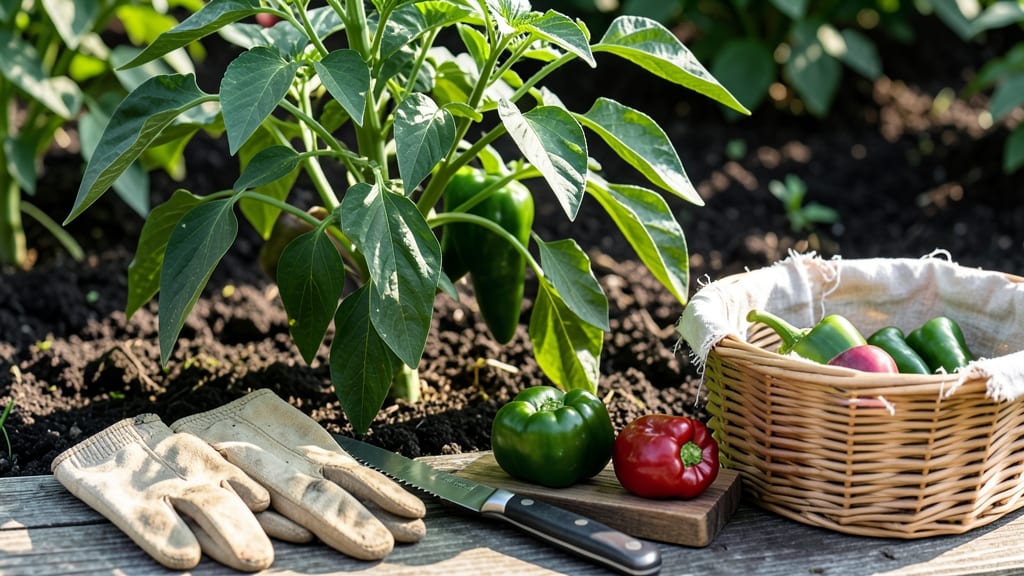
To pick jalapeños from your garden at the perfect moment means capturing peak flavor and heat—before they turn bitter or too soft.
Most gardeners wait until the peppers turn red, but that’s often too late. The truth is, jalapeños 🌶️ reach their sweet-spicy balance long before color changes, when the stem twists cleanly and the skin yields slightly to pressure. Missing these cues means losing out on the best harvest window.
In this guide, I’ll walk you through the firm stem twist test and color shift clues that tell you exactly when to harvest, plus how to adjust for your region’s growing season. Whether you’re in Zone 6a or further south, timing is everything.
You’ll also discover pro tips to maximize yield without overpicking—like how often to harvest, the best tools to use, and when to ignore the color entirely for the boldest flavor. Ready to turn your garden into a spice powerhouse?
How to use the firm stem twist test for perfect jalapeño harvest timing
The firm stem twist test is the most reliable way to determine when your jalapeños are ready for harvest. Unlike relying solely on size or color, this method checks the pepper's internal maturity by testing the stem's resistance.
When done correctly, it helps you avoid picking peppers that are either too green or overripe, both of which compromise flavor and heat.
Many gardeners make the mistake of harvesting based on size alone, but a pepper can look mature on the outside while still being underripe inside. The twist test accounts for this by measuring the stem's readiness to detach—a clear sign the pepper is at peak ripeness.
Let’s walk through the exact steps to perform this test like a pro.
Select a jalapeño that’s at least 3 inches long and has a firm, glossy skin. Avoid peppers with soft spots or blemishes, as these may indicate overripeness or disease.
Gently grasp the jalapeño’s stem where it connects to the plant. This is the calyx, the small green or yellowish area at the base of the pepper.
Using your thumb and forefinger, twist the pepper slowly and firmly in a quarter-turn motion. Do not yank or pull abruptly—this can damage the plant.
If the stem detaches cleanly with minimal resistance, the pepper is ready to harvest. If the stem bends but doesn’t break, it’s still underripe. If it snaps easily with no resistance, the pepper may be overripe.
After twisting, inspect the stem end. If it’s yellowing or slightly soft, the pepper is perfect. If it’s still bright green and firm, wait 2–3 days and test again.
Use clean pruning shears or sharp scissors to snip the pepper just above the calyx. This prevents damage to the plant and encourages more peppers to form.
The twist test works because it evaluates the internal maturity of the pepper. When the stem detaches easily, it means the pepper’s cell structure has softened just enough to signal peak flavor and heat.
This is especially important for jalapeños, which can quickly transition from mild to overly spicy if left on the vine too long.
One common mistake is over-twisting, which can damage the plant’s growth point. Always use a gentle, controlled motion—think of it like unscrewing a jar lid, not forcing it off.
Another error is testing peppers that are too small or too large. Stick to 3–6 inch jalapeños for the most accurate results.
Timing your harvests with the twist test also helps extend your jalapeño season. By picking at the right moment, you encourage the plant to produce more peppers rather than letting it focus energy on overripening a few.
This is particularly useful in shorter growing seasons where you want to maximize yield before the first frost.
For gardeners in cooler climates, like USDA Zone 6a, the twist test becomes even more critical. Since the growing season is shorter, every pepper counts. If you miss the window, you might end up with underripe peppers that lack heat or overripe ones that turn rubbery and lose flavor.
The twist test eliminates guesswork.
Pro tip: Perform the twist test early in the morning when peppers are firmest. Avoid testing after rain or extreme heat, as moisture or stress can give false readings. Always test multiple peppers on a plant to ensure consistency in ripeness.
Once you master the firm stem twist test, you’ll never second-guess when to pick your jalapeños again. This method, combined with observing color shifts (which we’ll cover next), gives you the confidence to harvest at the perfect moment—every single time. 🌶️✂️🌱
Jalapeño color shifts: what each hue means for heat and flavor
Your jalapeños aren't just changing color—they're telling a story about spice intensity, flavor complexity, and culinary potential. The green-to-red spectrum isn't random; each hue marks a distinct stage of maturity that affects how you'll use (and enjoy) your harvest.
Understanding these shifts helps you decide whether to pick early for bright, tangy heat or wait for deeper, sweeter flavors.
Most gardeners assume red jalapeños are always the best choice, but green and yellow peppers have unique advantages too. For example, green jalapeños pack fresh, grassy notes with a sharper kick, while red varieties develop fruity undertones and smoother heat.
Even purple jalapeños (yes, they exist!) offer a rare earthy, almost wine-like depth that's perfect for fermenting or slow-cooked dishes.
Here's the key: Color isn't the only indicator. Combine it with the stem twist test and size consistency (3-6 inches) for foolproof timing. A red jalapeño that's still small?
It might lack full flavor. A green one that's firm and ripe-sized? Perfect for pickling while the heat is at its peak.
| Color Stage | Heat Level (Scoville) | Flavor Profile | Best Culinary Uses |
|---|---|---|---|
| 🟢 Green | 2,500-8,000 SHU | Grassy, bright, sharp heat | Pickling, salsas, fresh salsas, grilling |
| 🟡 Yellow | 2,500-5,000 SHU | Milder, sweet-tangy, citrusy | Stuffed peppers, creamy sauces, roasted dishes |
| 🔴 Red | 2,500-10,000 SHU | Fruity, smoky, deeper sweetness | Slow-cooked dishes, fermenting, dried peppers |
| 🟣 Purple | 3,500-6,000 SHU | Earthy, wine-like, complex | Fermented hot sauces, braised dishes, unique garnishes |
Did you know red jalapeños can vary wildly in heat? Some varieties like 'Red Star' stay mild (2,500 SHU) while others like 'Red Chili' can hit 10,000 SHU. If you're growing for heat consistency, always check your specific variety's traits—color alone won't tell the full story.
For example, my 'Early Jalapeño' plants produced bright green peppers with sharp, clean heat perfect for fresh salsas, while the red ones developed a smoky backbone ideal for chili con carne.
The yellow stage often gets overlooked, but it's a hidden gem for gardeners who want milder, sweeter peppers without waiting for full ripeness. These peppers have 20-30% less capsaicin than green ones, making them ideal for dishes where you want heat without overpowering flavor.
Try roasting them for a caramelized sweetness that pairs beautifully with black beans or corn.
Pro tip: If you're growing jalapeños for storage, harvest at red or purple for maximum shelf life. The thicker skin and higher sugar content at these stages mean they'll keep for weeks in the fridge or even freeze well for winter use.
And if you're experimenting, try freezing green jalapeños—they hold their bright, tangy heat perfectly for future pickling projects.