
Picking
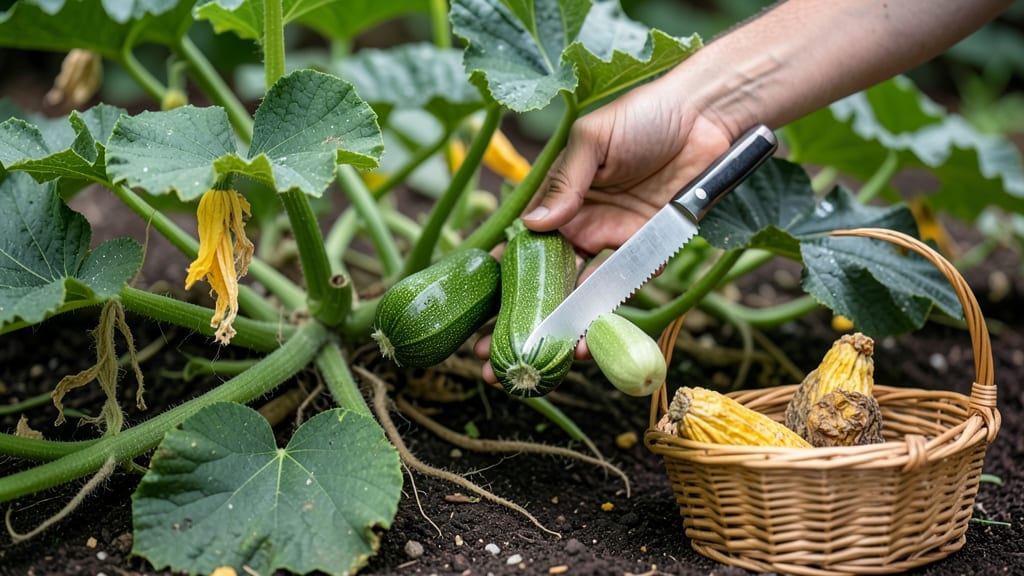
To pick squash from your garden at the perfect moment means the difference between a tender, flavorful harvest and a tough, seedy disappointment.
Ever wondered why your zucchini plants produce tiny, bitter squash instead of the plump, sweet harvest you crave? Timing is everything—and picking squash at the perfect moment transforms your garden from frustrating to fantastic.
Most gardeners wait for size, but the real clues are in the skin’s texture and color. A squash ready for harvest will have a hard, glossy skin that resists gentle pressure, while the stem near the fruit will begin to dry out.
Ignore these signs, and you risk overgrown squash that turns woody or develops a tough rind.
Below, I’ll walk you through the three key visual cues to determine ripeness, how seasonal factors like heat and frost influence timing, and the best way to test squash for peak flavor—so you never miss the window again.
3 Key visual signs your squash is ready to harvest
Picking squash at the right moment makes all the difference between a tender, sweet harvest and a bitter, seedy disappointment. I’ve learned the hard way—overripe squash turns into a wooden, stringy mess while underripe fruit lacks flavor and texture.
The key lies in watching for three visual cues: size, color, and texture. These signs tell you exactly when to grab your pruners and bring that squash home.
Most gardeners focus on size as the first clue, but it’s actually the least reliable indicator on its own. A zucchini might reach 6-8 inches long but still be too young, while a summer squash like pattypan could be ready at just 3-4 inches.
The real magic happens when you combine size with the other two signs. For example, my ‘Black Beauty’ zucchini often hits 8 inches before its skin hardens enough—if I’d picked it earlier, I’d have missed the sweet spot.
Here’s the game-changer: skin texture is your best friend. Run your thumb over the squash’s surface—if it feels smooth and firm (like a hard-boiled egg), it’s ready. But if your nail leaves a dent, it’s still too soft.
I test this every morning before watering; the early light makes the skin’s texture easier to judge. Pro tip: A ripe squash’s skin should resist gentle pressure without bruising.
Color is the third puzzle piece, but it varies wildly by variety. Yellow squash like ‘Golden Zucchini’ turn a bright golden hue when ripe, while green types like ‘Straightneck’ deepen to a rich, matte green.
Even within the same variety, color can shift based on sunlight exposure—shady spots produce paler fruit. Last summer, my ‘Sunburst’ squash in the east-facing bed stayed lighter green longer because it got only 4 hours of direct sun. I had to compensate by checking texture more closely.
Now, let’s talk about the biggest mistake I see in gardens: waiting for squash to get oversized. By the time your zucchini reaches 12 inches, it’s already past its prime.
The seeds inside grow larger, the flesh becomes stringy and seedy, and the flavor turns mushy and bland. I’ve salvaged these monsters by roasting them (they’re surprisingly good in soups!), but fresh eating? A crime.
The sweet spot is right when the squash stops growing—that’s when flavor peaks.
| Sign | Zucchini (e.g., Black Beauty) | Summer Squash (e.g., Pattypan) | Overripe Warning |
|---|---|---|---|
| Size | 6–8 inches long | 3–4 inches wide | >10 inches (hard, seedy) |
| Color | Deep, matte green | Vibrant yellow/green | Dull, patchy |
| Texture | Skin resists nail | Smooth, firm surface | Soft spots, bruising |
| Stem | Dries slightly at base | Hardens near fruit | Rotted or detached |
| Weight | Feels heavy for size | Dense, not hollow | Light, hollow-sounding |
One trick I swear by is the “tap test”. Give the squash a gentle knock with your knuckles—ripe fruit makes a solid, high-pitched thud. Underripe squash sounds dull and hollow, while overripe ones may feel mushy inside.
I use this when I’m unsure about color (like with ‘Sunburst’ squash that ripens unevenly). It’s a foolproof way to avoid the “too early” trap, especially in cloudy weather when color fades.
Don’t overlook the stem’s condition either. A ripe squash’s stem will start to dry out and harden near where it attaches to the vine. If it’s still green and flexible, the fruit needs more time.
Last year, my ‘Cocozelle’ squash had stems that stayed green until they rotted away—a clear sign I’d missed the window. The moral? Check the stem daily during peak harvest season (July–August in most zones).
Seasonal timing matters too. In hot climates (Zones 9–1
How often to check your squash (and when to Stop Picking)
Checking your squash every 2-3 days during peak season keeps your plants productive and prevents overgrowth. This frequency aligns with zucchini and summer squash maturity cycles, which typically reach harvest readiness in 50-60 days after planting.
When you see flowers appear, start monitoring closely—this is your cue that fruits will form within 7-10 days.
I’ve learned the hard way that skipping regular checks leads to overripe squash that becomes seedy, tough, and less flavorful. The key is to harvest consistently—once you spot a fruit reaching maturity, others will follow quickly.
For bush varieties, check twice weekly, while vining types may need daily inspections during high-production periods.
⚠️ callout-warning ⚠️
- Too early: Skin still soft (easy to puncture with fingernail) = bitter, watery flavor
- Too late: Skin hardens beyond ideal stage = seeds grow large, reducing storage life
- Stop picking: When frost threatens (within 2-3 weeks) or vines show yellowing leaves
For continuous production, focus on harvesting the largest, most mature fruits first. This encourages the plant to redirect energy to younger squash still developing.
I’ve found that zucchini should be picked when they’re 6-8 inches long, while yellow squash like crookneck can wait until 8-10 inches for full flavor development.
Seasonal timing matters too—early summer yields are often more abundant due to ideal growing conditions. However, late-season squash may mature slower if temperatures drop. If your plants are still producing 2-3 weeks before frost, harvest any remaining fruits, even if undersized.
These can still be used in cooked dishes where texture isn’t critical.
Knowing when to stop picking entirely is just as important as when to start. Once your plants show signs of declining health—like wilted leaves or powdery mildew—they’ve reached their natural limit. At this point, focus on cleaning up the garden to prevent disease spread to next year’s crops.
Create a simple seasonal checklist to stay on track: ☑️ June-July: Daily checks during peak production ☑️ August: Twice-weekly inspections as growth slows ☑️ September: Harvest all remaining fruits before frost ☑️ October: Remove and compost plant debris