
Picking
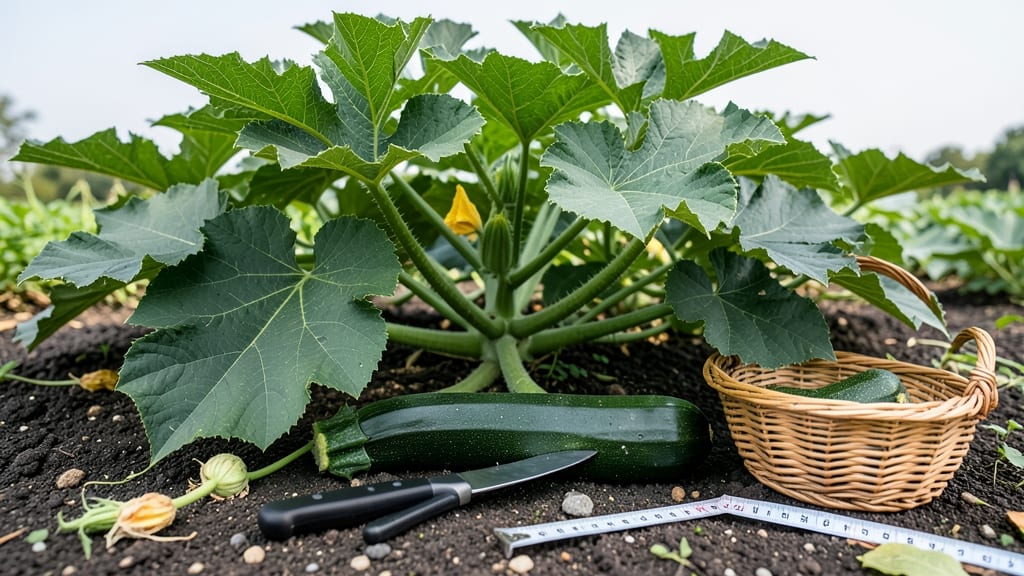
To pick zucchini from your garden at the perfect time, look for fruit that’s 6–8 inches long with a firm but slightly yielding skin—this is when flavor peaks and texture stays tender.
Zucchini plants can produce an overwhelming harvest in just weeks—but picking at the wrong time means tough, seedy, or bitter fruit. Timing your harvest correctly ensures tender, flavorful zucchini every time, whether you're a first-time gardener or a seasoned grower.
Most gardeners miss the ideal window because they focus only on size, but the skin’s texture and the stem’s snap are just as important. A zucchini that’s too big becomes woody and seedy, while one picked too early won’t ripen properly.
Below, I’ll break down the three key measurements to check, how often to harvest for continuous production, and what to do if your zucchini outgrows your kitchen—so you never waste another harvest.
The perfect zucchini size for harvesting: 3 key measurements
Picking zucchini at the right size makes all the difference between tender, sweet fruit and tough, seedy disappointment. The ideal harvest window is short—just a few days—so knowing these 3 key measurements will help you time your harvest perfectly every season.
I’ve learned from years of gardening that even a 1-inch difference in size can change texture and flavor dramatically.
Most gardeners focus only on length, but the diameter and weight also signal readiness. For example, a zucchini that’s 6-8 inches long but too thin (under 2 inches wide) will taste bland, while one that’s 1 pound or heavier often becomes fibrous.
Let me break down exactly what to look for, variety by variety, so you never miss the sweet spot.
📌 Summary Table: When to Pick Zucchini by Key Measurements
The length is the easiest measurement to check, but don’t rely on it alone. For instance, Black Beauty zucchini should be 6-8 inches long, but if it’s only 5 inches but 3 inches wide, it’s likely overripe.
I’ve made this mistake before—picking based on length alone and ending up with a woody, seedy mess. Always pair length with the other two measurements for accuracy.
Diameter is your next clue. A zucchini that’s too thin (under 1.5 inches) hasn’t developed enough flavor, while one that’s over 3 inches wide often has a tough skin and large seeds.
The ideal diameter varies by variety—Golden Zucchini should be 1.5-2.5 inches, while Ronde de Nice (a round variety) thrives at 3-4 inches. Use a tape measure if you’re unsure; it’s worth the few seconds to avoid disappointment.
Weight is the final puzzle piece. A zucchini that tips the scales at under 8 ounces is usually underripe, while anything over 1.5 pounds becomes fibrous and bitter.
I weigh my zucchini on a small kitchen scale for precision, but a quick hand test works too: hold it and compare to a 1-pound can of tomatoes. If it feels heavier, it’s time to harvest.
Don’t overlook the stem color—this is a pro trick I learned from a local farmer. When you cut the stem, look at the end of the stem. If it’s green, the zucchini is not ready.
But if it’s yellow or brown, that’s your cue to pick it now. This simple visual check has saved me from harvesting too early or too late more times than I can count.
Skin texture is another underrated clue. The perfect zucchini skin should yield slightly when you press your thumbnail against it but not dent deeply. If it feels like a rubber ball, it’s overripe.
I test this every morning before harvesting—it’s a habit that’s paid off with consistently tender zucchini. Pro tip: Run your fingers along the skin; if it feels smooth and slightly waxy, it’s ready.
Why does size matter so much? When zucchini grow beyond their prime, they develop more seeds, which means less flesh and more bitterness. The cell walls thicken, turning the flesh tough and stringy.
Even the nutritional profile changes: smaller zucchini have higher vitamin C and lower starch content. Harvesting at the right size isn’t just about taste—it’s about getting the most nutrient-packed, flavorful fruit from your garden.
One common mistake I see is waiting until zucchini are too large because gardeners assume bigger means better. But in reality, oversized zucchini are often less flavorful and harder to digest. For example, a 12-inch zucchini might look impressive, but it’s likely woody and seedy.
Instead, aim for consistent, smaller harvests—this encourages your plant to produce more fruit over time. I’ve had seasons
How often to check your zucchini plants for ready-to-pick fruit
Checking your zucchini plants every 2-3 days during peak production ensures you never miss the perfect harvest window. When zucchini grow too quickly, they can go from tender to tough in just 24 hours, so consistency is key.
I make it a habit to inspect my plants in the morning after watering—this is when fruit is firmest and easiest to spot.
Look for immature zucchini by checking for a green stem end when you cut the fruit. If the stem is still bright green, the zucchini needs more time.
Overripe zucchini, on the other hand, will have a yellowing stem end and a hard, thick skin. These are still edible but less flavorful and often seedy.
🌱 Zucchini Harvest Checklist: What to Look For
- 1. Size: 6-8 inches long, 2-3 inches wide at widest point
- 2. Skin: Smooth, tender skin that yields slightly to gentle pressure
- 3. Stem: Yellowing base when cut (not bright green)
- 4. Color: Deep, consistent green (no pale or yellow patches)
- 5. Texture: Firm but not rock-hard—should feel slightly springy
Weather plays a huge role in how quickly zucchini ripen. Hot, dry conditions can speed up growth, so I check my plants daily during heatwaves. Conversely, cool, cloudy weather slows ripening, giving you a little more flexibility with harvest timing.
Always prioritize picking when the fruit is 6-8 inches long—this is the sweet spot for flavor and texture.
One common mistake I see is waiting too long because the zucchini looks "close enough." But once they reach 10 inches or more, the flesh becomes tough and seedy.
I’ve learned to trust my thumbnail test: press gently—if it leaves a slight dent, it’s ready. If it feels rock-hard, it’s past prime.
To stay organized, I use a simple harvest journal to track when I pick each zucchini. This helps me spot patterns in my plants’ growth cycles. For example, I’ve noticed my ‘Black Beauty’ zucchini ripens faster than ‘Golden Zucchini’, so I check them more frequently.
Keeping records also helps you adjust future planting schedules to match your harvest needs.
If you’re new to growing zucchini, start by checking your plants every other day during the first few weeks of harvest. As you gain experience, you’ll develop an intuition for when they’re ready.
Remember, the more you pick, the more your plants will produce—so don’t be shy about harvesting! The goal is to keep those vines busy making tender, flavorful zucchini all season long. 🌿