Planting
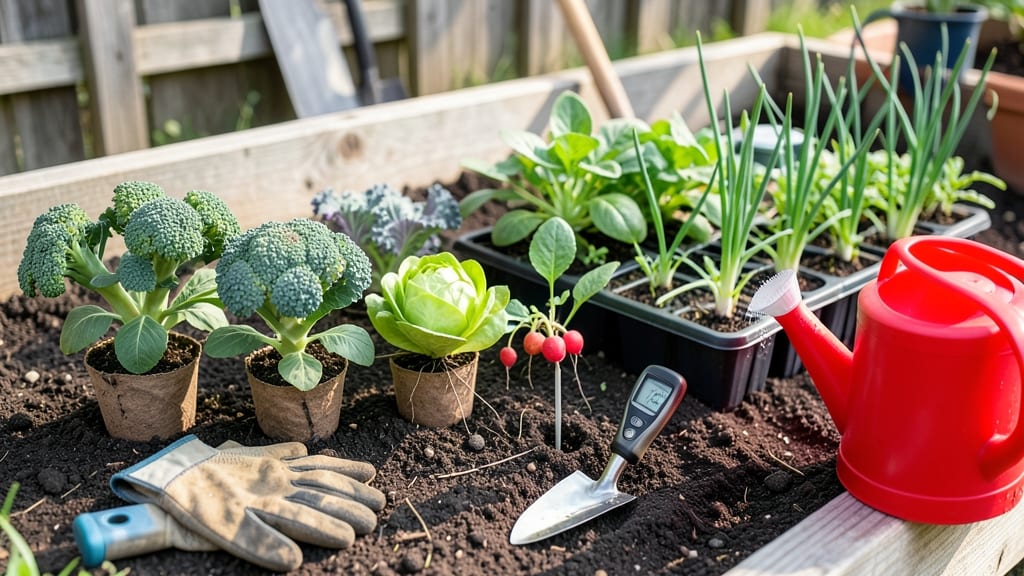
To plant a fall garden in South Texas, aim for late August through early October when temperatures dip below 90°F but before the first frost risk in December.
South Texas gardeners know the struggle—scorching summer heat can make planting seem impossible, but timing your 🥬 garden just right ensures a bountiful harvest before winter sets in. The key? Planting heat-tolerant crops at the perfect moment when temperatures dip below 90°F but before the first frost.
This region’s unique climate—where Zone 9a-10a winters are mild but summers linger—means you can’t afford to wait too long. Miss the window, and you’ll be left with stunted greens or bolted herbs.
Below, I’ll walk you through the exact planting dates, the top 7 heat-tolerant crops that thrive here, and how to stretch your harvest into December without frost damage.
Optimal planting dates for South Texas fall gardens by temperature zones
South Texas gardeners face unique challenges with its long, brutal summers and short fall growing season. The key to success? Planting when daytime highs stay below 90°F but before the first frost risk. In Zones 8b-9a, this window is tight—typically late August through October—but varies by microclimate.
The Rio Grande Valley (Zone 9a) has a slightly longer season, while the Hill Country (Zone 8b) cools faster.
Your planting schedule hinges on two critical dates: the last 90°F+ day and the average first frost date. For most of South Texas, this means starting heat-tolerant crops like okra and sweet potatoes in mid-August and cool-season crops like lettuce and kale in late September.
Miss these windows, and you’ll either scorch seedlings or lose crops to cold.
Below is your region-specific planting timeline, broken down by temperature zones and microclimates. Use this to align your garden with South Texas’ 6-8 week fall growing window before winter slows growth.
Remember: Seeds vs. seedlings have different deadlines—direct-sow heat lovers early, but wait for cooler soil to transplant cool crops.
For Zone 9a areas like the Rio Grande Valley, you’ve got a 2-3 week advantage over Hill Country gardeners. Start okra, sweet potatoes, and black-eyed peas by mid-August to avoid heat stress.
In Zone 8b, wait until late August to sow seeds—soil stays hot longer, and seedlings can bolt.
Transplanting cool-season crops like kale, broccoli, and carrots requires cooler soil temps (70°F or below). Aim for late September in most areas, but check your local frost dates—some years, Corpus Christi can push harvests into early December, while San Antonio may see frost by mid-October.
Soil prep is just as critical as planting dates. Work in compost and aged manure 6-8 weeks before sowing to improve drainage and fertility. South Texas soil can be clay-heavy—amend with sand or coconut coir if needed.
Test your soil’s pH (6.0-7.0 for most veggies) and adjust with lime or sulfur as needed.
Pro tip: Use mulch (straw or wood chips) to retain moisture and regulate soil temps. In August’s heat, mulch keeps roots cool; in October’s chill, it insulates against cold snaps.
Pair this with drip irrigation to avoid wetting foliage—fungal diseases thrive in South Texas’ humid fall air.
If you’re in a transition zone (e.g., Edinburg to Austin), err on the side of earlier planting. Heat lingers longer in urban areas due to heat islands, while rural spots cool faster. Monitor your local weather station for 90°F+ alerts—if heat spikes
Top 7 heat-tolerant fall crops for South Texas and when to start them
South Texas gardeners face a unique challenge: the brutal summer heat gives way to a short fall growing season. But with the right heat-tolerant crops, you can still enjoy a productive harvest.
The secret lies in planting after the last 90°F day—typically mid-to-late August—and choosing varieties that thrive in warm soil but won’t bolt when temperatures dip. Here are my top 7 picks, ranked by yield potential and low-maintenance care.
For conservative gardeners, I recommend starting with collard greens and black-eyed peas, which handle heat better than most cool-season crops. Bold gardeners, however, can push the envelope with okra and sweet potatoes, which love the lingering summer warmth but need precise timing to mature before frost.
The key is knowing your last frost date—usually December 1 in most of South Texas—and counting backward.
⚖️ When to Plant a Fall Garden in South Texas: Pros & Cons
- 🌱 Extended harvest: Plant after 90°F drops for warm-season crops
- 💧 Less water stress: Cooler temps reduce evaporation needs
- 🛡️ Pest control: Fewer insects in fall compared to summer
- 🌿 Soil prep time: Warm soil speeds up seed germination
- ⏰ Short window: Only 6-8 weeks before first frost risk
- 🌡️ Temperature swings: Can stress young seedlings
- 🌧️ Unpredictable rain: Heavy rains can delay planting
- 🛠️ Soil cooling: Requires row covers for heat-loving crops
🌱 Pro Tip: Use black plastic mulch to warm soil for late summer plantings
Let’s start with the bold gardeners’ picks. Okra is my top recommendation for those who want to squeeze every last drop of summer into their fall harvest. Plant okra seeds 4-6 weeks before your average first frost—typically late August to early September.
Varieties like 'Clemson Spineless' mature in just 50-60 days and handle heat like a champ. Just be prepared for rapid growth—okra can reach 6 feet tall if not pruned!
Next up are sweet potatoes, which are surprisingly well-suited for South Texas falls. Start slips (young plants) 8-10 weeks before frost, around mid-August. The variety 'Beauregard' is a local favorite, producing large, sweet tubers in just 90 days.
The trade-off? They need rich, well-draining soil and consistent moisture. If your soil is sandy, amend it with compost to prevent rot.
For conservative gardeners, collard greens are a must-have. These heat-tolerant greens can handle temps up to 85°F and actually sweeten when frost threatens. Plant seeds 6-8 weeks before frost, around late August to early September.
'Georgia Southern' is my go-to variety—it’s slow to bolt and produces tender leaves for months. Pair them with black-eyed peas, which thrive in the same conditions and add nitrogen to the soil.
Don’t overlook Southern peas like crowder peas or purple hulls. These drought-resistant legumes fix nitrogen in the soil while producing sweet, tender pods. Plant seeds 90 days before frost, around mid-August.
They handle heat better than cowpeas and continue producing until first frost. Just be sure to harvest regularly—overripe pods get tough and stringy.
Rounding out the list are turnips and radishes, which are perfect for quick harvests. Plant turnip seeds like 'Purple Top White Globe' 4-6 weeks before frost for both greens and roots.
Radishes like 'Cherry Belle' mature in just 25 days, making them ideal for succession planting every 2 weeks. Both crops tolerate light frosts and add color to your fall table.
Finally, for those who love spicy flavors, hot peppers like 'Jalapeño' or 'Cayenne' can still be planted in early August for a fall harvest. They need full sun and warm soil, but varieties like 'NuMex Sandia' mature in just 60-70 days.
Just watch for aphids—they love pepper plants in fall.