Planting
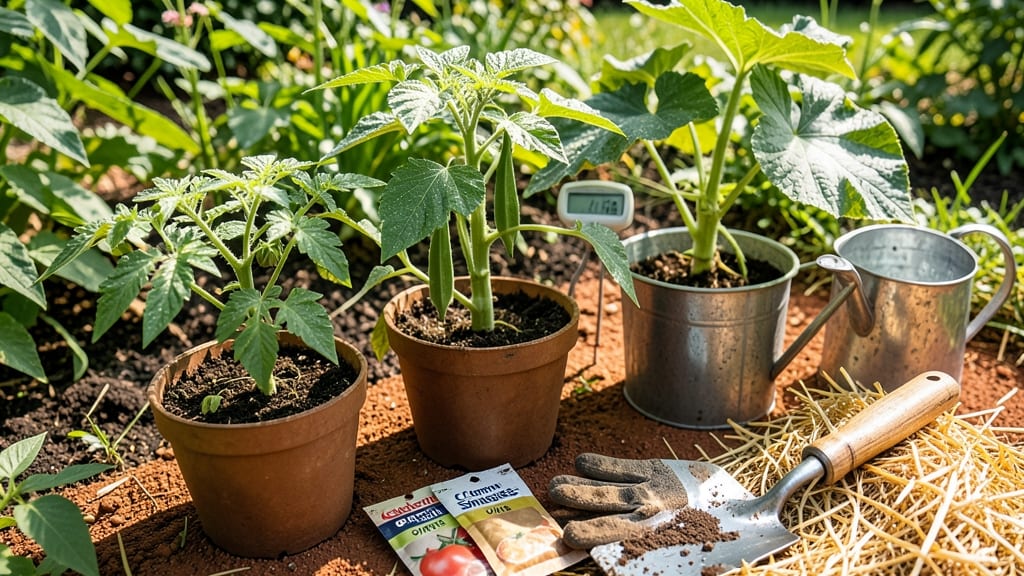
Planting a garden in Alabama at the right time means the difference between bountiful harvests and wilting disappointment.
Alabama’s warm climate and long growing season make it a gardener’s paradise—but planting at the wrong time can mean stunted growth or even crop failure. Timing is everything, especially in Zone 7b, where summer heat arrives early and frost lingers unpredictably.
Cool-season crops like lettuce and broccoli need to hit the soil 4-6 weeks before your last frost, while tomatoes and peppers crave warmer air—wait until 2-3 weeks after those icy nights are over. Miss the window, and you’ll end up with leggy seedlings or bolted greens.
Below, I break down the exact deadlines for Alabama’s two planting seasons, plus how to adjust for your microclimate—whether you’re in the hills of North Alabama or the coastal plains of the South.
Alabama Zone 7b planting calendar: exact dates for vegetables, flowers, and herbs
Alabama’s Zone 7b climate offers a 210-day frost-free growing season—long enough to grow nearly any vegetable, flower, or herb if you time it right. The key is understanding cool-season vs. warm-season crops and their frost-free deadlines.
In northern Alabama, the last frost typically hits around March 15, while southern regions can start planting 2-3 weeks earlier.
For cool-season crops like lettuce, broccoli, and spinach, I start seeds indoors in late January and transplant outdoors 4-6 weeks before the last frost.
Warm-season crops—think tomatoes, peppers, and basil—need to wait until 2-3 weeks after the last frost, usually around April 1 in most of Zone 7b. Miss these windows, and you’ll risk bolting (premature flowering) or heat stress.
Here’s your month-by-month planting guide for Alabama Zone 7b, including exact dates for vegetables, flowers, and herbs to maximize your harvest:
| Month | Cool-Season Crops (Outdoors) | Warm-Season Crops (Outdoors) | Herbs & Flowers | Key Deadlines |
|---|---|---|---|---|
| January | Direct sow: peas, spinach, kale Start indoors: lettuce, broccoli, cabbage |
— | Start pansies, snapdragons, violas indoors | Last chance for winter squash (if not harvested) |
| February | Direct sow: carrots, radishes, onions Transplant: lettuce, kale, collards |
Start tomatoes, peppers, eggplants indoors | Plant garlic, transplant lavender, rosemary | Last frost risk (northern AL) |
| March | Direct sow: beans (cool varieties), beets, Swiss chard Transplant: cabbage, Brussels sprouts |
Hardening off seedlings: tomatoes, peppers, basil | Plant marigolds, nasturtiums, calendula | Last frost date (March 15) |
| April | Direct sow: lettuce (shade), spinach (shade) Harvest: cool-season greens |
Plant outdoors: tomatoes, peppers, cucumbers, squash Direct sow: beans, corn, okra |
Plant basil, cilantro, dill outdoors Transplant perennials |
2-3 weeks after last frost for warm crops |
| May | — (Cool crops bolting) | Plant: sweet potatoes, melons, peanuts Succession plant: beans, cucumbers |
Plant sunflowers, zinnias, cosmos | First frost warning (start fall prep) |
| August | Direct sow: broccoli, cabbage, kale (for fall) | Plant: heat-tolerant greens (Malabar spinach) | Start marigolds, snapdragons for fall | Last call for warm-season crops (before heat stress) |
| September | Direct sow: peas, spinach, lettuce Transplant: broccoli, Brussels sprouts |
Plant: collards, mustard greens, turnips | Plant asters, chrysanthemums, pansies | 4-6 weeks before first frost for fall crops |