Planting
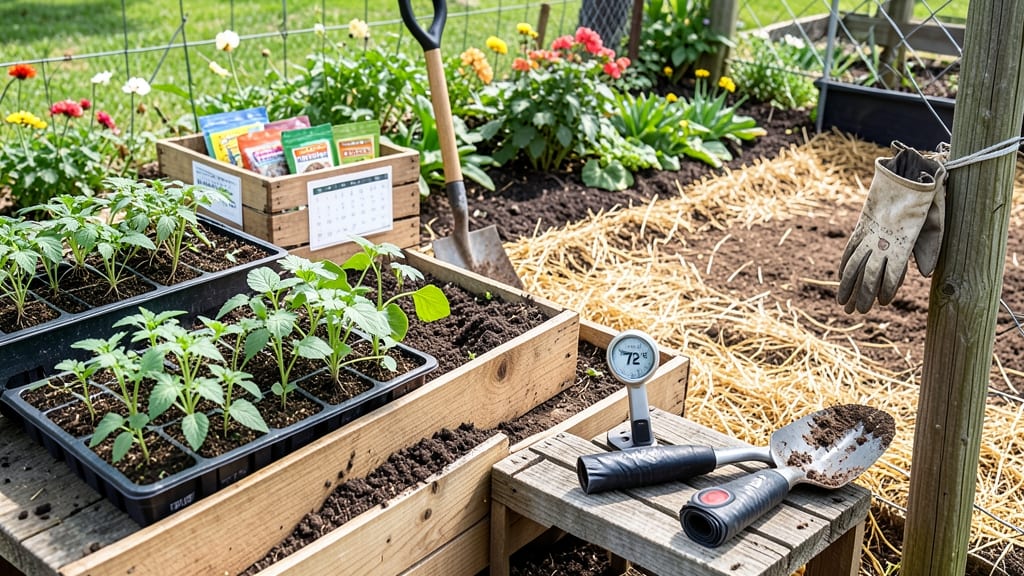
Planting a garden in Arkansas means timing your crops to the Zone 7B frost dates—because one wrong move could leave you with wilted seedlings or missed harvests.
Arkansas gardeners know timing is everything—plant too early, and frost will ruin your hard work; too late, and you’ll miss peak harvests. With Arkansas’s unique climate, knowing exactly when to plant each crop can mean the difference between a thriving 🌱 General Arkansas Garden and a disappointing one.
From cool-season greens in early spring to heat-loving tomatoes by late April, Arkansas’s 6b-8a zones offer flexibility—but only if you plan ahead. Whether you’re in North Arkansas’s cooler microclimates or the warmer South, the key is aligning your planting schedule with the last frost dates.
Below, I break down the ideal planting windows for vegetables, flowers, and herbs, plus smart tricks to stretch your growing season in Arkansas’s humid subtropical climate.
Arkansas Zone 7B frost dates & critical planting windows
Understanding Arkansas's Zone 7B frost dates is the first step to successful gardening. The state's humid subtropical climate creates unique planting windows, especially when comparing northern Arkansas (Zone 6b) to southern Arkansas (Zone 8a). These variations mean your neighbor's planting schedule might not work for you!
For most of Arkansas, the average last spring frost falls between mid-March and early April, while the first fall frost typically arrives between early November and mid-November. These dates create a 210-day frost-free growing season in Zone 7B, giving you plenty of time for multiple plantings.
Use the USDA Plant Hardiness Zone Map to verify your exact location. Northern Arkansas (like Bentonville or Fayetteville) often falls into Zone 7a, while southern areas (like Little Rock or Hot Springs) are solidly Zone 7b-8a.
Even a few miles can shift your frost dates by 1-2 weeks.
For precise planning, check the National Oceanic and Atmospheric Administration (NOAA) frost probability maps or use online frost-free date calculators like the one from Almanac.com. These tools account for local microclimates, like valleys that frost earlier than hilltops.
Microclimates play a huge role in Arkansas gardening. A sheltered valley might be 2-3°F warmer than an exposed hillside, allowing you to plant 2 weeks earlier in spring. Pay attention to local landmarks—urban heat islands in cities like Little Rock can delay frost by 10 days or more.
For cool-season crops like lettuce, spinach, and peas, start seeds indoors 6-8 weeks before your last frost date. Transplant seedlings outdoors 2-3 weeks before to harden them off. In Zone 7B, this typically means early March for northern areas and late February for southern regions.
Warm-season crops—tomatoes, peppers, and okra—need to wait until after the last frost. Soil temperatures should reach 60°F+ for consistent germination. Use a soil thermometer to monitor—Arkansas's clay-heavy soils can stay cold longer than sandy areas.
Extend your growing season by planting succession crops every 2-3 weeks after your last frost. For example, sow bush beans in early April, then again in late May for a second harvest before fall frost. This strategy maximizes your 210-day frost-free window.
Don't forget about fall planting! Many Arkansas gardeners harvest kale, carrots, and radishes well into December. Start these 60-80 days before your first frost, typically late July to early August.
Pro tip: Mark your calendar for Arkansas's historical frost dates. The 1993 late frost hit Little Rock on April 20, while the 2011 early frost arrived on October 30—both extreme outliers. Plan for these anomalies by using frost blankets or choosing frost-tolerant varieties.
Best planting timeline for Arkansas vegetables, flowers & herbs
Arkansas’s humid subtropical climate means your planting schedule must balance frost dates with heat tolerance. Cool-season crops like lettuce and peas thrive in early spring and fall, while tomatoes and peppers need warm soil to germinate.
Even herbs like basil bolt quickly in summer heat—so timing is critical. Below, I’ve broken down the best windows for each category, plus Arkansas-specific pests to watch for.
For Zone 7B Arkansas, the last spring frost typically falls between March 1–15, and the first fall frost arrives around November 1–15. Use these dates as your guide, but adjust for microclimates—Northern Arkansas (like Fayetteville) may frost earlier than Southern Arkansas (like Little Rock).
Always check a 7-day forecast before planting warm-season crops.
🌱 Arkansas Planting Timeline by Category
- Cool-Season Crops (Lettuce, Spinach, Peas, Kale): Plant 4–6 weeks before last frost (Feb–early Mar) for spring harvests. For fall, sow July–early Aug to avoid early frost. Watch for cabbage worms and downy mildew in humid Arkansas summers.
- Warm-Season Staples (Tomatoes, Peppers, Okra, Cucumbers): Wait until 2 weeks after last frost (mid-Apr) and plant after soil reaches 60°F+. Tomatoes are vulnerable to early blight—space plants for airflow and mulch heavily. Okra thrives in heat but needs consistent moisture.
- Perennial Herbs (Basil, Cilantro, Parsley): Sow basil after last frost (mid-Apr) for summer harvests—it bolts in 80°F+ heat. Cilantro prefers cool weather; plant in early spring or fall. Avoid overwatering herbs to prevent root rot in Arkansas’s clay-heavy soils.
- Flowers (Marigolds, Zinnias, Sunflowers): Direct-sow marigolds in early spring (Feb–Mar) as pest deterrents. Zinnias and sunflowers love heat—plant after last frost (mid-Apr). Deadhead regularly to encourage blooms and deter powdery mildew.
- Succession Planting Tips: For continuous harvests, sow lettuce every 2 weeks from Feb–Aug. Replace bolted basil with fall cilantro in September. Use row covers to extend cool-season growing into late October.
Arkansas’s high humidity and summer heat create ideal conditions for pests like aphids and squash vine borers. To mitigate risks, rotate crops yearly and interplant marigolds with vegetables—they repel nematodes naturally. For tomatoes, stake plants early to prevent blossom end rot caused by uneven watering.
Don’t forget to harden off seedlings for 7–10 days before transplanting, especially if starting indoors. Arkansas’s sudden temperature swings in spring can shock young plants. Use black plastic mulch to warm soil faster for warm-season crops, or straw mulch to cool soil for cool-season greens.
Pro tip: Keep a planting journal to track what thrives in your Arkansas microclimate. Note when peppers ripen or basil bolts—this data will help you fine-tune next year’s schedule. With the right timing, you can enjoy homegrown tomatoes in July and fresh spinach in November!