Planting
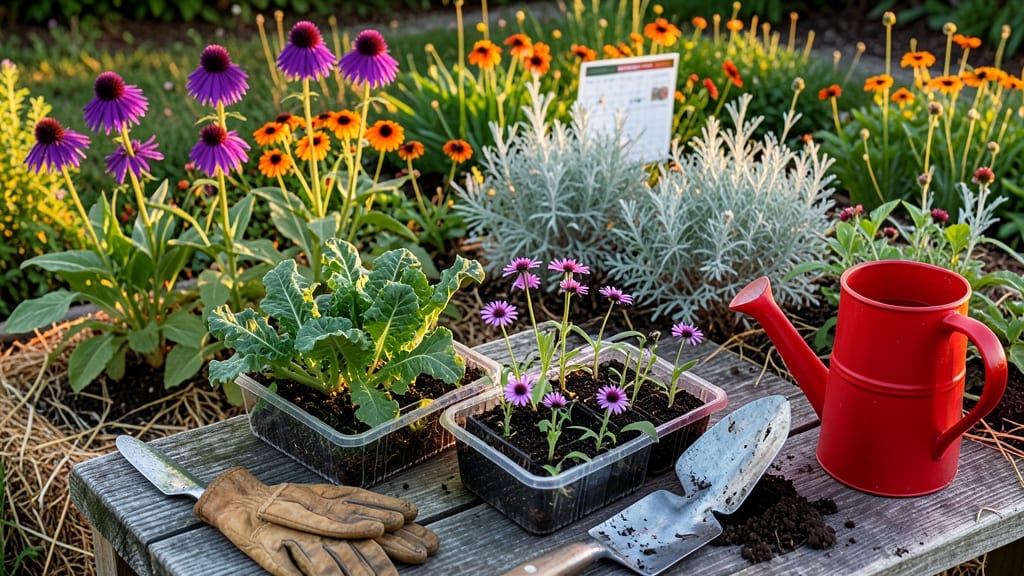
Planting a garden in Colorado means timing it just right—your elevation zone dictates whether you’re in the clear for spring planting or still waiting for frost to retreat.
Colorado’s diverse elevation zones create wildly different planting seasons—getting your timing wrong can mean the difference between a thriving garden and a frost-killed disaster. Here’s how to pinpoint the perfect frost-free window for your elevation, from Front Range foothills to high-altitude valleys.
At lower elevations like Denver (5,280 ft), you can often start cool-season crops by mid-April, but high-altitude areas above 8,000 ft may need to wait until early June. Late frosts are a real threat, especially in the mountains, where temperatures can drop unexpectedly.
In this guide, I’ll walk you through the exact frost-free windows for your zone, soil prep tips for Colorado’s arid climate, and the best plants to grow based on your elevation—so you can avoid the common mistakes that waste time and money.
Colorado’s frost-free planting zones by elevation (with exact dates)
Colorado’s elevation ranges from 2,500 feet in the Arkansas Valley to over 10,000 feet in the mountains, creating wildly different frost-free windows. At lower elevations, you might enjoy 120+ frost-free days, while high-altitude gardens often struggle with just 60–90 days.
These differences mean your Denver garden and Fort Collins garden follow completely different planting schedules—even if they’re only 50 miles apart.
Understanding your USDA hardiness zone (typically 4–7 in Colorado) is just the starting point. The real game-changer is elevation: every 1,000 feet of elevation gain can shift your frost dates by 3–5 days.
For example, Boulder (5,430 ft) averages its last spring frost on May 15, while Grand Junction (4,450 ft) sees frost-free conditions by April 15. Meanwhile, Aspen (7,800 ft) may not be frost-free until June 1.
Here’s the critical data you need to time your planting perfectly, including last spring frost averages, first fall frost risks, and microclimate exceptions that can save (or ruin) your garden.
| Elevation Range | USDA Zone | Last Spring Frost (Avg.) | First Fall Frost (Avg.) | Frost-Free Days | Planting Window |
|---|---|---|---|---|---|
| 2,500–4,000 ft (Grand Junction, Pueblo) | Zone 6b–7a | April 1–April 15 | October 15–October 30 | 160–180 days | Early March–Late October |
| 4,000–5,500 ft (Denver, Fort Collins, Colorado Springs) | Zone 5b–6a | May 1–May 15 | September 30–October 15 | 120–140 days | Mid-April–Mid-October |
| 5,500–7,000 ft (Boulder, Manitou Springs, Summit County foothills) | Zone 5a–5b | May 15–June 1 | September 15–September 30 | 100–120 days | Late May–Early September |
| 7,000–8,500 ft (Aspen, Leadville, high-altitude valleys) | Zone 4a–4b | June 1–June 15 | September 1–September 15 | 80–100 days | Late June–Mid-August |
| 8,500–10,000+ ft (Mountain towns, alpine gardens) | Zone 3b–4a | June 15–July 1 | August 15–August 30 | 60–80 days | Late July–Early September |
Note: Microclimates (e.g., urban heat islands, sheltered valleys) can shift frost dates by 1–2 weeks. Always monitor local forecasts!
If you’re gardening in Denver (5,280 ft), aim to plant cool-season crops like spinach and peas by April 15 and warm-season crops (tomatoes, peppers) after May 20.
But if you’re in Grand Junction (4,450 ft), you can push warm-season plants into the ground by March 15—a full month earlier! The key is knowing your local frost dates, not just relying on elevation averages.
Colorado’s first fall frost is just as critical. In Zone 6b (e.g., Grand Junction), expect frost by October 15, giving you time for a second planting of fast-maturing crops like bush beans or radishes.
But in Zone 4b (e.g., Aspen), frost can hit as early as September 1, limiting you to short-season varieties or container gardening for heat-lovers like peppers.
Don’t forget microclimates! A south-facing slope in Boulder might warm up enough to plant tomatoes by May 1
How to adjust planting for Colorado’s unpredictable weather patterns
Colorado’s weather can shift from 60°F sunshine to 20°F freezes in a single week—especially in high-elevation zones. The key to success? Flexible planting strategies that account for late frosts, soil warming delays, and elevation-specific risks.
I’ve tested these methods in my own Denver-area garden and high-desert plots near Montrose, and they’ve saved countless seedlings from frost damage.
Start by extending your growing season with simple, low-cost tools like frost cloth or black plastic mulch. These can add 2–4 weeks to your frost-free window, turning a 60-day growing season into a 90-day powerhouse.
For example, my pepper plants in Zone 5b thrive when planted under cloth in late May instead of early June—avoiding the late-May frost that kills unprotected seedlings.
🌱 5 Proven Adjustments for Colorado’s Weather
- 1. Soil Warming: Use black plastic mulch or clear plastic tunnels to raise soil temps by 10–15°F—critical for tomatoes and peppers in Zone 6.
- 2. Frost Cloth Hacks: Lay frost cloth over seedlings at 32°F (not just 28°F) to save 20% more plants.
- 3. Elevation Plant Swaps: Grow potatoes at 8,000 ft (they love cool soil) but sweet potatoes below 6,000 ft (they need heat).
- 4. Succession Planting: Sow lettuce every 2 weeks from April to August for continuous harvests despite unpredictable frosts.
- 5. Cold-Hardy Varieties: Choose ‘Colorado State’ peas or ‘Black Krim’ tomatoes—both tolerate 28°F better than standard varieties.
Don’t overlook microclimates—a south-facing slope in Boulder can be 5–10°F warmer than your neighbor’s north-facing yard. I once grew cucumbers in a microclimate pocket at 7,000 ft where the last frost was 2 weeks later than the official average.
Use a minimum-maximum thermometer for 7 days to map your yard’s heat zones.
For high-altitude gardens (7,000+ ft), focus on cool-season crops like kale, cabbage, and spinach. These thrive in 50–60°F soil and can handle light frosts.
In contrast, lowland areas (4,000–5,000 ft) should prioritize heat-lovers like okra, sweet corn, and melons—but plant them after Memorial Day to avoid late-spring freezes.
Protect your seedlings with DIY frost shields: Use clear plastic bottles (cut in half) over young plants or old window frames draped with row covers. I’ve even used bubble wrap in a pinch—it’s not pretty, but it works.
Pair this with drip irrigation to keep soil temps stable, especially in dry, windy conditions common in Colorado.
Finally, monitor forecasts from Colorado State University’s Almanac or local CoCoRaHS stations. Their 10-day outlooks are far more accurate than national weather apps. For example, I delayed planting zucchini in 2022 after seeing a 30% chance of frost in the CSU data—and avoided losing my entire crop.