Planting
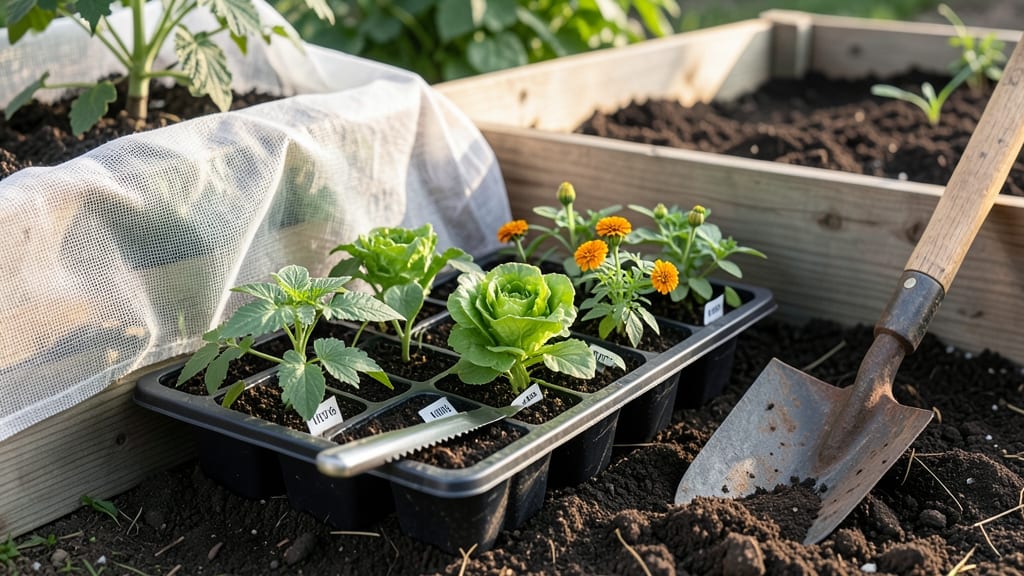
To plant a garden in Indiana, aim for mid-April to mid-May after the last frost date—skipping this window risks losing tender seedlings to a surprise freeze.
Indiana’s unpredictable frost dates can make or break your garden—plant too early, and a late freeze wipes out your hard work. But master the right timing, and you’ll enjoy a thriving harvest all season long.
For General Garden Vegetables 🌱, like tomatoes and peppers, wait until the soil warms to at least 60°F—usually after April 15 in Zone 6a. Cool-season crops, such as lettuce and spinach, can handle earlier starts, even in March.
Below, I break down the exact planting schedule for your zone, including when to start seeds indoors, transplant seedlings, and adjust for Indiana’s 165 frost-free days—so you can maximize your yield without the guesswork.
Indiana frost dates by Zone: when to Start planting seeds indoors and outdoors
Indiana gardeners face a delicate balance between last frost dates and warm-season planting. With USDA Zones 5b and 6a dominating the state, timing your seed starting and outdoor transplants is crucial. A late frost in April can devastate tender seedlings, while waiting too long may shorten your harvest window.
Understanding your microclimate—whether you're in northern Indiana's Zone 5 or southern Indiana's Zone 6—helps you plan with confidence.
In most of Indiana, the average last frost date falls between April 15 and May 1, but this varies by county and elevation.
Northern Indiana (Zone 5) typically sees its last frost around April 25, while southern Indiana (Zone 6) often reaches frost-free conditions by April 10.
Always check local Almanac records or use a frost calendar for your specific area, as microclimates near lakes or urban centers can shift these dates by weeks.
| Task | Zone 5 (Northern IN) | Zone 6 (Southern IN) | Notes |
|---|---|---|---|
| Start cool-season seeds indoors | Mid-March | Late February | Peas, spinach, kale (6-8 weeks before last frost) |
| Start warm-season seeds indoors | Early April | Mid-March | Tomatoes, peppers, basil (6-8 weeks before transplant) |
| Last frost date | April 25 | April 10 | Wait 2 weeks after date for hardy crops |
| Transplant cool-season seedlings | Early May | Late April | Lettuce, broccoli, cabbage (soil temp: 40°F+) |
| Transplant warm-season seedlings | Mid-May | Early May | Tomatoes, peppers, eggplants (soil temp: 60°F+) |
| Direct-sow cool-season crops | March 15-April 15 | March 1-April 1 | Peas, radishes, spinach (cover with frost cloth) |
| Direct-sow warm-season crops | After May 15 | After April 30 | Beans, corn, cucumbers (soil temp: 65°F+) |
For Zone 5 gardeners, I recommend starting cool-season crops indoors in mid-March to ensure they're ready for transplant by early May. In my experience, spinach and kale thrive when moved outdoors after the soil temperature reaches 40°F.
Use row covers to protect tender seedlings from unexpected late frosts, which can still occur through early May in northern Indiana.
Southern Indiana's Zone 6 offers a slightly longer growing season, but don't rush to plant warm-season crops like tomatoes or peppers. Wait until after May 1 to transplant seedlings, as soil temperatures below 55°F can stunt root growth.
I've learned the hard way that early planting of tomatoes in Zone 6 often leads to blossom-end rot due to inconsistent soil warmth.
Herbs like basil and cilantro are particularly sensitive to frost, so I wait until after Memorial Day (around May 25) to sow them outdoors. For perennial herbs like oregano or thyme, you can plant them as early as April,
Best planting schedule for Indiana gardens: month-by-month guide
Indiana’s cool-season crops like lettuce and spinach thrive when planted early, while tomatoes and peppers need warm soil to sprout. The key is timing—plant too soon, and frost will kill seedlings; wait too long, and you’ll miss peak harvests.
My month-by-month guide ensures you maximize your garden’s potential with succession planting and smart transplanting.
Start by noting your last frost date—typically April 15 in most of Indiana. This date separates cool-season crops (planted before frost) from warm-season crops (planted after).
For cool-season veggies, I recommend sowing seeds indoors 6-8 weeks before your last frost, while warm-season crops should wait until soil temperatures hit 60°F+.
📅 Indiana Planting Timeline
- 🌱 March: Start cool-season seeds indoors (lettuce, spinach, kale).
- 🌱 April: Transplant hardy seedlings (peas, radishes) outdoors. Direct-sow spinach and carrots.
- 🌱 May: Plant warm-season crops (tomatoes, peppers, beans) after last frost. Succession-sow lettuce every 2 weeks.
- 🌱 June: Direct-sow beans, cucumbers, and squash. Harvest early cool-season crops.
- 🌱 July-August: Plant fall crops (kale, broccoli) for harvest before frost. Succession-sow bush beans.
- 🌱 September: Extend season with cold frames or row covers for spinach and radishes.
For cool-season crops, I swear by succession planting—sow lettuce or spinach every 2-3 weeks from March to August. This ensures a steady harvest even as older plants bolt.
Meanwhile, warm-season crops like tomatoes and peppers should go in after May 15, once soil warms up. Use a soil thermometer to confirm—60°F+ is ideal.
Don’t forget fall planting! In late summer, sow broccoli, kale, and turnips for a late-season harvest. These crops thrive in cool weather and can handle light frosts. I’ve had great luck with kale lasting until December under row covers.
For succession planting, try radishes every 3 weeks from April to August—they’re fast-growing and perfect for filling gaps.
Pro tip: Use mulch to regulate soil temperature and retain moisture. A 2-inch layer of straw or leaves keeps cool-season crops from overheating in summer and warm-season crops from cooling too quickly. I also recommend hardening off seedlings for 10-14 days before transplanting to avoid shock.
By following this schedule, you’ll avoid the heartbreak of frost-damaged seedlings and enjoy continuous harvests all season. Start early, stay consistent, and don’t be afraid to experiment—your garden will thank you! 🌱