
Planting
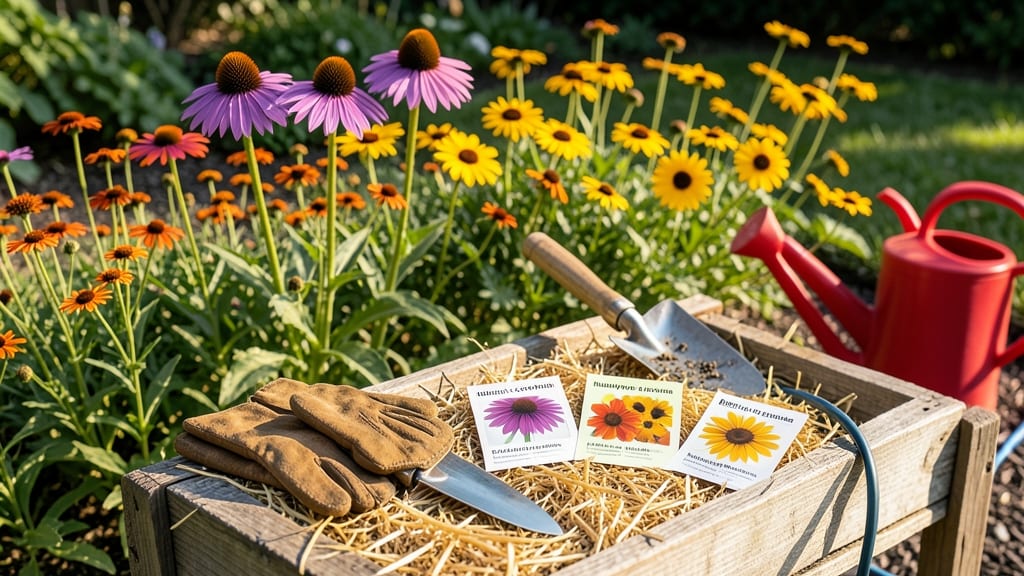
To plant a garden in Missouri, start cool-season crops like peas and spinach 4-6 weeks before your last frost—typically by mid-March in most zones.
Missouri’s unpredictable spring weather can make planting your garden a high-stakes guessing game—but timing it right means the difference between a bountiful harvest and a failed crop.
With six distinct USDA plant hardiness zones, knowing exactly when to plant each vegetable, flower, and herb is critical for Show-Me State gardeners.
In zones 5b-6b, the window between frost risks and scorching heat is tight, so choosing the right start dates for each plant type is the key to success.
Below, I break down the best planting times for spring and fall, including soil prep tips, frost-proofing strategies, and a zone-by-zone calendar so you can match your garden’s rhythm with Missouri’s ever-changing climate.
Missouri planting calendar by USDA Zone: exact start dates for vegetables, flowers & herbs
Missouri spans USDA Zones 5a through 7a, creating dramatic differences in frost dates and planting windows. In Zone 5a (northern Missouri), gardeners face earlier last frosts (April 1-15), while Zone 7a (southern Missouri) enjoys later first frosts (October 30-November 15).
These variations mean your St. Louis neighbor might plant tomatoes two weeks earlier than your Kansas City friend—or risk losing their crop to frost!
To simplify, I’ve broken down exact planting windows for Missouri’s most popular crops, including cool-season vegetables, warm-season staples, and perennial flowers. These dates account for soil temperature thresholds (critical for seed germination) and historical frost data from Missouri’s University of Missouri Extension.
For example, peas and spinach thrive when soil temps reach 40°F, while tomatoes and peppers need at least 60°F for consistent growth.
🌱
| Plant Type | Zone 5a (North MO) | Zone 6a (Central MO) | Zone 7a (South MO) | Key Notes |
|---|---|---|---|---|
| Cool-Season Vegetables (Spinach, Lettuce, Peas) | March 15 - April 15 | March 20 - April 20 | March 25 - April 25 | Plant 4-6 weeks before last frost. Use row covers for late starts. |
| Warm-Season Vegetables (Tomatoes, Peppers, Cucumbers) | May 1 - May 15 | April 25 - May 10 | April 15 - April 30 | Wait until soil is 60°F+. Start indoors 6-8 weeks before transplant. |
| Perennial Flowers (Coneflowers, Black-Eyed Susans) | April 1 - April 15 | March 25 - April 10 | March 15 - March 30 | Plant after last frost risk. Mulch to retain moisture in Zone 5a. |
| Herbs (Basil, Cilantro, Parsley) | April 15 - May 1 | April 1 - April 15 | March 20 - March 30 | Basil needs warm soil; cilantro bolts in heat—plant in partial shade in summer. |
| Fall Planting (Kale, Carrots, Radishes) | August 1 - August 15 | July 30 - August 10 | July 20 - July 30 | Aim for 60-day maturity before first frost. Use black plastic mulch to extend season. |
For Zone 5a gardeners, I recommend starting cool-season crops indoors in early March to get a head start. For example, broccoli seeds sown on March 1 can be transplanted outdoors by April 15, giving you a 6-week jump on neighbors who wait until after the last frost.
In Zone 7a, you can push the envelope by planting warm-season crops like tomatoes as early as April 15 if you use row covers to protect against late frosts.
Missouri’s microclimates add another layer of complexity. Urban areas like St. Louis often experience earlier springs due to the urban heat island effect, while rural areas in northwest Missouri can see delayed warming.
To account for this, I suggest monitoring local weather stations (like those from the National Weather Service) and adjusting your planting dates by 3-5 days based on your specific location’s trends.
One of my biggest mistakes as a Missouri gardener was planting peppers outdoors in early May—only to lose them to a late frost in Zone 6a.
Since then, I’ve adopted a two-phase approach: start peppers indoors by March 15 and transplant after May 10, when soil temperatures consistently stay above 60°F. This strategy has increased my pepper yield by 40
How to adjust planting times for Missouri’s unpredictable weather patterns
Missouri’s weather can throw a curveball—one day it’s 70°F, the next a hard frost threatens your seedlings. The key to success? flexible planting strategies that account for soil temperature, frost dates, and heatwaves.
I’ve learned that even a week’s delay can mean the difference between thriving tomatoes and wilted peppers. Here’s how to adapt without losing your harvest.
Start by monitoring soil temperatures with a soil thermometer—most seeds need 45-55°F for germination.
In Missouri’s Zone 5b-6b, this often means waiting until late April or early May, even if air temperatures seem warm. Cool-season crops like spinach and peas can handle earlier plantings, but warm-season crops like cucumbers and beans need to wait until the soil is consistently above 60°F.
Missouri’s late frosts are notorious, so I always have row covers or frost cloth ready. These lightweight fabrics raise temperatures by 5-10°F and protect tender seedlings. For high-risk crops like eggplants or peppers, I use them until the last frost date (typically April 15 in northern Missouri, May 1 in the south).
- 🌡️ Check soil temps with a thermometer—45-55°F for cool crops, 60°F+ for warm crops
- 📅 Use backup dates: If frost threatens, replant radishes or lettuce every 2 weeks until June 15
- 🛡️ Deploy row covers for 30+ days to extend the growing season by 2-4 weeks
- ☀️ Start heat-sensitive crops indoors 6-8 weeks before last frost for a head start
- 📝 Track local frost dates—northern MO averages April 15, southern MO March 15
For heatwaves, I prioritize shade cloth or mulch to keep roots cool. Succession planting is another lifesaver—sow bush beans or zucchini every 2 weeks from May through July to stagger harvests. This way, if one batch fails due to heat, another is ready to take its place.
Don’t forget fall planting! Missouri’s first frost usually hits October 15, but cool-season crops like kale and carrots thrive when sown in August.
I aim to plant these 6-8 weeks before frost for a late-season harvest. Row covers can push this window even later, sometimes into early November.
Finally, keep a planting journal to track what works in your microclimate. Note when you planted, any weather surprises, and how crops performed. Over time, you’ll spot patterns—like that tomatoes always thrive when planted after May 10 in your area. Adjust your schedule yearly based on these insights.