
Planting
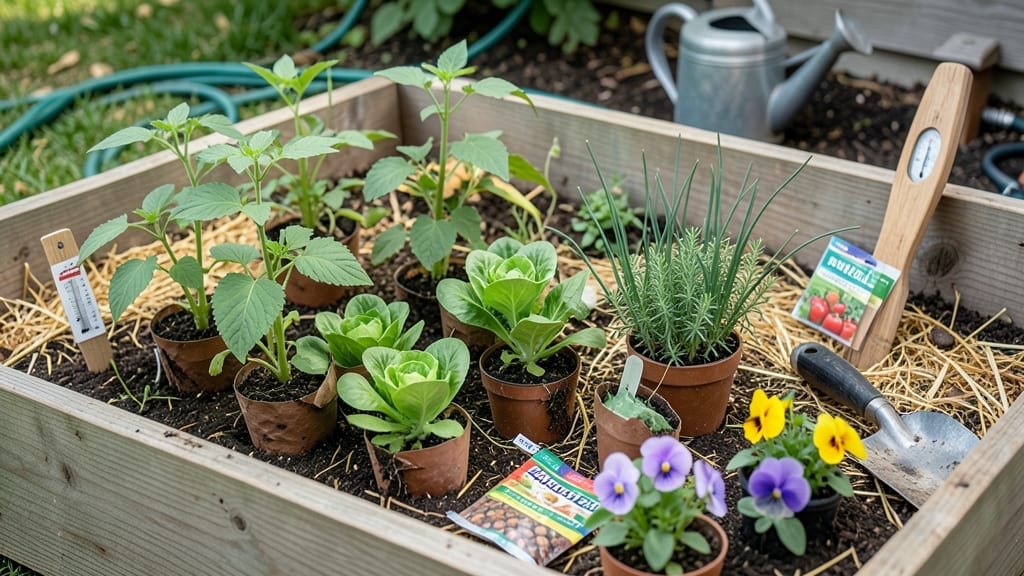
Planting a garden in Ohio after the last frost date—typically mid-April—sets the stage for a bountiful harvest, but timing is everything in the Buckeye State’s unpredictable spring.
Ohio’s Zone 5-6 climate means late frosts can still hit in April, turning eager seedlings into sad, crispy snacks. But with the right schedule, you can outsmart Mother Nature and enjoy fresh tomatoes by July, crisp lettuce in May, and even a second crop of greens in fall.
This guide breaks down the exact planting windows for your region—whether you’re in Columbus, Toledo, or Cincinnati—so you can avoid common mistakes like planting warm-loving peppers too early or missing the window for cool-season crops like spinach.
You’ll learn how to adjust for Ohio’s quirks, from using row covers to extend the season to picking the fastest-growing crops for short summers. Let’s get that garden growing!
Ohio’s planting timeline by Zone 5-6: month-by-month schedule for maximum growth
Ohio’s Zone 5-6 climate means you get a short but sweet growing season—about 165 frost-free days. To maximize your garden’s potential, timing is everything. Plant too early, and a late frost will wipe out your seedlings.
Plant too late, and your tomatoes or peppers won’t mature before the first frost in mid-October. The key? Aligning your planting with Ohio’s last frost dates (typically mid-April) and soil temperatures.
Ohio’s weather is famously unpredictable, with late frosts in April and sudden heatwaves in May. This means you’ll need to balance cool-season crops (like spinach and peas) with warm-season crops (like tomatoes and basil).
Starting some plants indoors in March gives them a head start, while others can be directly sown after the last frost. Let’s break it down month by month so you can plan like a pro.
In March, kick off your garden by starting tomatoes, peppers, and herbs indoors under grow lights. These plants need a long growing season, so giving them a head start is
How to adjust your planting schedule for Ohio’s unpredictable weather patterns
Ohio’s Zone 5-6 climate throws curveballs with late spring frosts and sudden heatwaves, making timing everything for your garden’s success. I’ve learned the hard way that rigid planting schedules fail here—what works in Columbus might flop in Toledo, where microclimates shift frost dates by weeks.
The key? Flexibility paired with smart tools like row covers and succession planting.
Start by tracking your local last frost date, which can vary from April 15 in southern Ohio to May 1 in the north. Even after the average frost, a late freeze can still hit—so I always keep frost cloth ready.
For example, my tomato seedlings in late April once got nipped by a 28°F dip, teaching me to wait until May 10 for warm-season crops.
⚠️ callout-warning ⚠️
Ohio’s Hidden Weather Risks
Late frosts can strike until May 10 in northern Ohio—wait for 3 consecutive days above 50°F before planting warm-season crops. Heatwaves in July often dry out soil faster than expected; mulch to retain moisture. Toledo’s lake effect creates cooler, wetter springs than Columbus, delaying planting by 1-2 weeks.
Use cold frames or mini greenhouses to jumpstart early spring plantings like peas or spinach. I’ve had kale ready for harvest by April 15 using a simple DIY frame—just add a clear plastic lid and monitor soil temps.
For heat-loving crops like peppers, I opt for succession planting: sow every 2 weeks from May through June to stagger harvests and avoid losing everything to a sudden cold snap.
Soil moisture is another Ohio wildcard. After a dry April, I test soil moisture daily—if it’s bone-dry by 10 AM, I water deeply before noon to prevent stress. Drip irrigation helps, but I also keep a rain gauge handy to adjust watering.
In Columbus’s clay soil, I add compost to improve drainage, while Toledo’s sandy patches need extra mulch to hold water.
For flowers and perennials, I’ve found that fall planting (September-October) gives roots time to establish before winter. My daylilies and coneflowers thrive when planted in cool, moist soil—perfect for Ohio’s September weather.
Even annuals like marigolds benefit from an early start; I direct-sow them in late April with row covers for extra protection.
Pro tip: Keep a gardening journal to note your local patterns. Last year, my zucchini bolted in July’s 95°F heatwave—now I plant them near shade cloth and water at the soil level to keep roots cool.
With these adjustments, Ohio’s unpredictability becomes an opportunity, not a setback. Your garden will reward you with bountiful harvests despite the chaos.