Planting
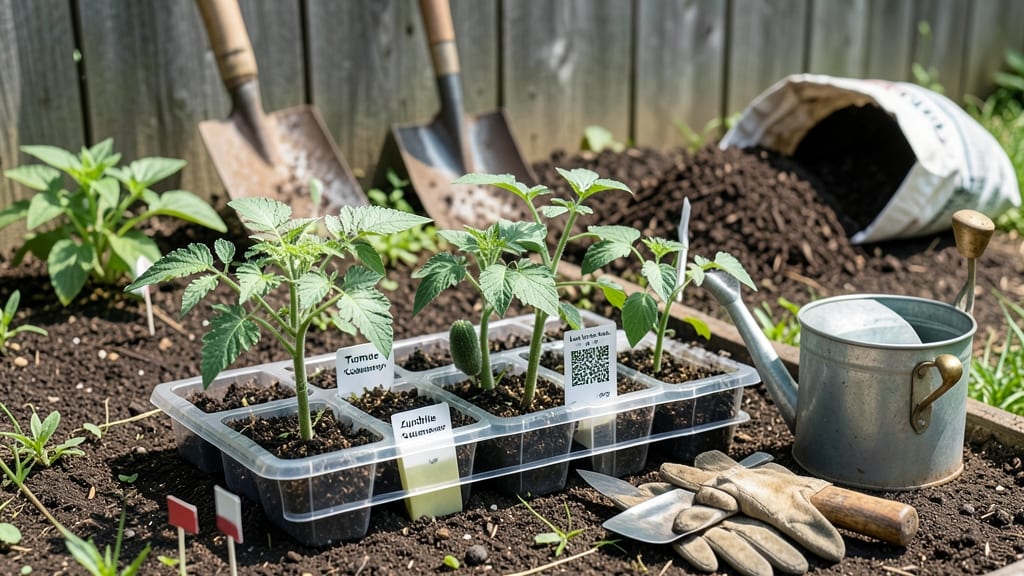
Planting a garden in Tennessee means timing it right—between the last frost in mid-March and the first chill in October, with your zone’s microclimate dictating the exact window.
Tennessee’s diverse climate—from the Smoky Mountains to the Mississippi Delta—means your planting schedule depends on elevation, microclimates, and frost patterns. Get the exact frost-free dates for your zone to maximize your garden’s potential without risking late frosts or stunted growth.
Cool-season crops like broccoli and spinach can go in as early as February in warmer valleys, while tomatoes and peppers need to wait until after April 15 in higher elevations.
I’ll break down the best months for each plant type, plus how to adjust for your specific corner of the state.
By the end, you’ll know not just when to plant, but how to stretch your growing season with row covers, cold frames, and heat-tolerant varieties—so your garden thrives from spring through fall.
Tennessee planting zones & frost-free dates by region (2024 guide)
Tennessee spans USDA zones 5a-8a, creating a gardening landscape as diverse as its geography. The Smoky Mountains in the east (zones 5a-6b) experience earlier frosts and shorter growing seasons, while the Mississippi Delta in the west (zones 7a-8a) enjoys warmer microclimates and longer frost-free periods.
Understanding your specific zone and frost dates is key to avoiding late-season losses or stunted growth.
For most Tennessee gardeners, spring planting begins after the average last frost date, typically between mid-March (mountains) and early April (valleys). Fall planting, meanwhile, wraps up by mid-October in cooler zones or early November in warmer areas.
These dates shift slightly each year, so using local weather alerts and soil thermometers ensures precision.
Use this region-by-region breakdown to pinpoint your frost-free window. Whether you're growing cool-season crops like broccoli or warm-season staples such as tomatoes, timing is everything. Remember: Mountain gardens (e.g., Gatlinburg) may have 30-45 days fewer frost-free days than valley gardens (e.g., Memphis).
To find your exact planting zone, use the USDA Zone Finder or check local Cooperative Extension Service resources. For example, Nashville (zone 6b) has a last frost date around April 5, while Memphis (zone 7b) typically sees its last frost by March 20.
These differences mean tomatoes planted in Memphis can hit the ground 3 weeks earlier than in Knoxville.
For precision planting, monitor soil temperatures—most vegetables thrive when soil reaches 60°F. Use a soil thermometer to confirm readiness, especially for warm-season crops like peppers and eggplants.
In mountain zones, wait until May 15 to plant heat-sensitive varieties, while valley zones can start as early as April 15.
Fall planting follows a similar logic. In zone 5a, wrap up by September 15 to avoid early frosts, while zone 8a garden
Best planting calendar for Tennessee gardens: what to sow each month
Tennessee’s three distinct growing seasons—cool spring, hot summer, and mild fall—create perfect windows for vegetables, herbs, and flowers. Timing is everything: plant cool-season crops like broccoli too early, and they’ll bolt in the heat; delay warm-season tomatoes until after the last frost, and you’ll miss the summer harvest.
My month-by-month guide aligns with Tennessee’s average last frost (March 15–April 15) and first frost (October 15–November 15), but always check your local frost-free dates for precision.
For succession planting, I recommend overlapping cool-season crops in early spring and fall with heat-tolerant varieties like okra or southern peas in summer. Tennessee’s USDA zones 6b–8a also allow for perennial herbs like rosemary and thyme, which thrive year-round in well-draining soil.
Let’s dive into the best planting months for your garden’s success.
🌱 Tennessee Planting Calendar by Month
- 🌱 March: Start cool-season seeds indoors (kale, spinach) and plant hardy greens outdoors after soil warms to 50°F.
- 🌱 April: Transplant broccoli, cabbage, and sow peas. Wait until after last frost for tomatoes, peppers.
- 🌱 May: Plant warm-season staples (okra, sweet potatoes) and succession-sow beans every 2 weeks.
- 🌱 June–July: Focus on heat-loving crops (eggplant, peppers) and herbs (basil, cilantro). Mulch to retain moisture.
- 🌱 August: Start fall broccoli, kale indoors for September planting. Harvest summer crops aggressively.
- 🌱 September: Plant cool-season crops (spinach, lettuce) and garlic for next year’s harvest.
- 🌱 October: Extend season with row covers for hardy greens. Avoid planting new warm-season crops.
In March, I always start cool-season crops like kale and broccoli indoors under grow lights to get a head start. By mid-April, when soil temperatures hit 50°F, I transplant seedlings outdoors and sow peas directly into the garden.
These early spring crops thrive in Tennessee’s mild temperatures before the summer heat arrives.
For warm-season lovers, May is the magic month. Once the last frost date has passed (usually around April 15 in most zones), I rush to plant tomatoes, peppers, and cucumbers. Pro tip: Use black plastic mulch to warm the soil faster and deter weeds.
In June and July, focus on succession planting—sow bush beans every 2 weeks to ensure a steady harvest all summer.
Don’t overlook fall planting! By August, I start broccoli and kale indoors again, transplanting them in September for a cool-season harvest. This double-crop strategy maximizes your garden’s potential.
For herbs, rosemary and thyme planted in spring will thrive year-round in well-draining soil, while basil should be sown in late spring for summer use.
Tennessee’s long growing season (180–220 frost-free days) rewards patient gardeners with bountiful harvests. Whether you’re growing heat-tolerant okra in the Delta or cool-loving greens in the Smokies, this month-by-month guide keeps your garden productive year-round. Happy planting! 🌿