Planting
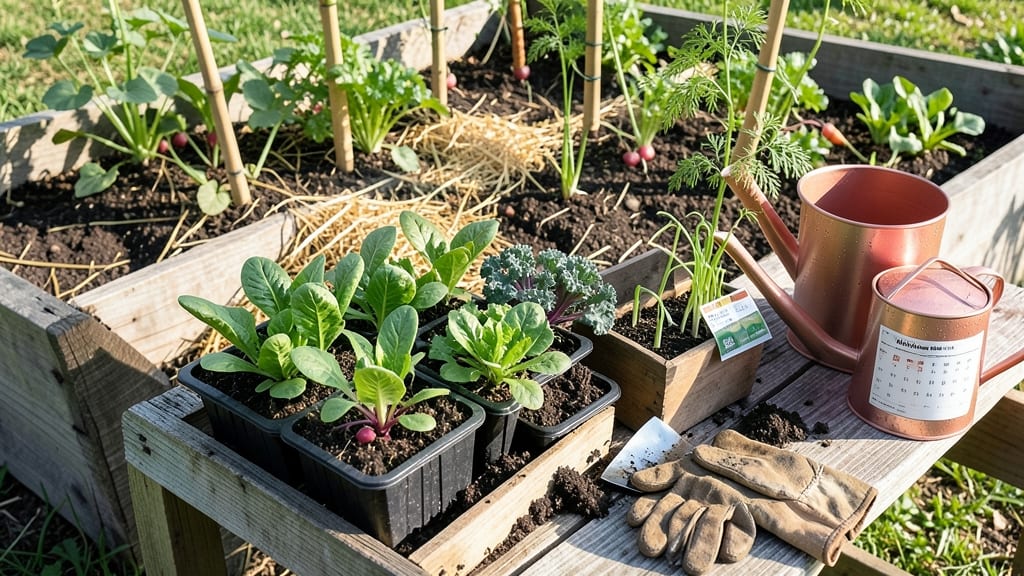
Planting a garden in Utah requires knowing the exact window between frost dates and heat waves—because missing it means either wilted seedlings or scorched tomatoes.
Utah’s high desert climate throws curveballs: a late April frost in the valleys while St. George is already baking by March. But with the right timing, you can grow a garden that thrives from kale in spring to peppers in fall—no matter where you live in the state.
Below, I break down the frost-date map by region, the best planting schedule for Utah’s top crops, and how to adjust for your microclimate—whether you’re in Salt Lake City or Moab.
You’ll learn when to start seeds indoors, how to stretch your growing season with row covers, and which crops to avoid planting in June’s brutal heat. Let’s get your Utah garden off to the right start.
Utah frost dates by region: when to plant cool-season vs warm-season crops
Utah’s diverse climate—from the Wasatch Front’s alpine valleys to the southern desert’s early springs—means frost dates vary dramatically by region. Getting these dates right is the difference between a bountiful harvest and a wilted disappointment.
Let’s break down when to plant your cool-season crops (like kale and peas) versus warm-season favorites (tomatoes, peppers, and cucumbers) based on Utah’s three key regions.
Northern Utah (e.g., Logan, Ogden, Salt Lake City) typically sees its last spring frost around April 10–15, while Southern Utah (e.g., St. George, Cedar City) can start planting as early as February 20–March 1.
Central Utah (e.g., Provo, Park City) falls somewhere in between, with last frosts around April 1–10. These dates shift slightly each year, but planning around them ensures your plants thrive.
For cool-season crops, aim to sow seeds 4–6 weeks before your last frost date.
In Northern Utah, that’s mid-March for hardy greens like spinach and peas, while Southern Utah gardeners can start even earlier. Warm-season crops, like tomatoes and peppers, need to wait until after the last frost—typically mid-April to early May in most regions—when soil temperatures consistently stay above 50°F (10°C).
Here’s a quick reference for your region’s planting windows and frost-free growing seasons, tailored to Utah’s unique microclimates:
For cool-season crops like kale, peas, and spinach, start seeds indoors 6–8 weeks before your last frost or sow directly into the garden 4–6 weeks before. In Northern Utah, that means mid-March for direct sowing, while Southern Utah gardeners can begin as early as February.
These crops thrive in cooler temperatures and can often handle a light frost, making them ideal for Utah’s unpredictable springs.
On the flip side, warm-season crops such as tomatoes, peppers, and cucumbers demand consistent warmth. Wait until after your last frost date and ensure soil temperatures are above 50°F (10°C).
In Northern Utah, this typically means early May, while Southern Utah’s milder climate allows planting as early as mid-March. For extra protection, use row covers or black plastic mulch to warm the soil faster.
Don’t forget about fall planting! Many cool-season crops can be sown in late summer for a harvest before the first frost. In Northern Utah, aim for late August to early September, while Southern Utah gardeners have until mid-October.
This extends your growing season and maximizes your garden’s productivity.
Pro tip: Use frost cloth or row covers to push your planting windows earlier in the spring or later into the fall. These tools can add 2–4 weeks to your growing season, giving you a head start on warm-season crops or a longer harvest for cool-season plants.
Just remember to remove covers during the day to avoid overheating.
If you’re unsure about your exact frost dates, check the Utah State University Extension’s frost date map or use a local weather station for real-time updates. Every year brings slight variations, so flexibility is key.
With these region-specific guidelines, you’ll be well on your way to a successful Utah garden—no frost burns or scorched plants in sight! 🌱
Best planting schedule for Utah’s top 10 garden vegetables
Utah’s diverse climate—from the high-altitude valleys of Logan to the desert heat of St. George—means your planting schedule must adapt. The key is knowing when to plant a garden in Utah for each crop, especially with succession planting to maximize harvests.
For example, lettuce can be sown every 2 weeks from spring to early fall, while beans thrive with plantings every 3 weeks after the last frost.
High-altitude areas like Cache Valley (Logan) have later frost dates than southern Utah, so adjust timelines accordingly. In St. George, you can start warm-season crops like tomatoes as early as March 15, while in Salt Lake City, wait until mid-April.
Below is a month-by-month guide for Utah’s top 10 garden vegetables, including succession planting tips to keep your harvests continuous.
🌱 Summary Table: Utah Planting Schedule by Crop
For high-altitude areas like Logan or Park City, extend your growing season by using row covers or cold frames to protect early plantings. In St. George, you can even grow warm-season crops year-round with proper irrigation.
Always check soil temperatures—most vegetables need soil at 50°F (10°C) or warmer to germinate properly.
Pro tip: Succession planting is your secret weapon. For example, plant radishes every 10 days for continuous harvests, or stagger bush beans every 3 weeks to avoid glutting your kitchen. In Utah’s short growing season, this technique can double your harvest without expanding your garden space.
Remember, Utah’s alkaline soil can affect germination and growth. Amend beds with compost or peat moss before planting to improve drainage and fertility. And always water deeply in the morning to prevent fungal