Planting
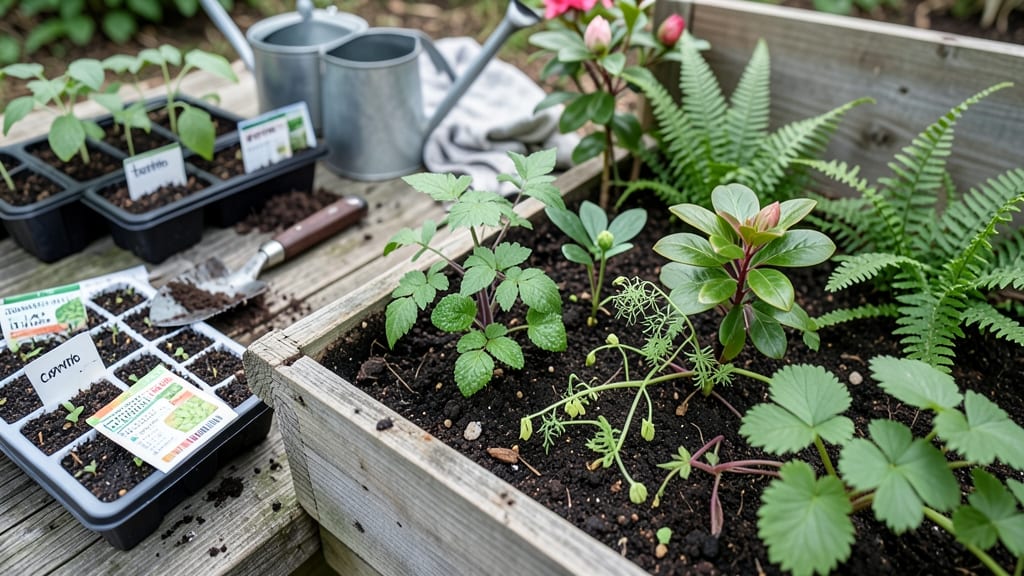
Planting a garden in Washington State at the right time means the difference between a bountiful harvest and a sad, wilted mess.
Washington’s diverse climates—from rainy coastal regions to arid eastern deserts—mean planting your garden at the wrong time can spell disaster for your hard work. But timing it right guarantees lush harvests and thrives even in the Pacific Northwest’s unpredictable weather.
If you’ve ever wondered why your tomatoes bolt in the heat or your lettuce freezes overnight, it’s likely because you planted outside the ideal window for your specific zone. Whether you’re in the Puget Sound’s marine climate or the drier inland areas, knowing when to start seeds and transplant matters.
Below, I break down the exact planting windows for your region, from early spring greens to late-summer tomatoes, so you can avoid common mistakes and enjoy a garden that actually grows.
Washington State planting zones: key dates by region (coastal vs. inland vs. eastern WA)
Washington State spans USDA Plant Hardiness Zones 4-9, but most gardening happens in Zones 7-9. The coastal region (like Seattle and Olympia) stays milder with longer frost-free seasons, while inland areas (like Yakima and Wenatchee) experience earlier frosts and hotter summers.
Eastern Washington’s arid climate creates unique microclimates where frost can hit two weeks earlier than the coast.
Understanding these three distinct regions is critical—planting cool-season crops like kale too late in Zone 8 or warm-season crops like tomatoes too early in Zone 7 can ruin your harvest.
Let’s break down the last frost dates, frost-free periods, and ideal planting windows for each zone to help you plan like a pro.
| Region | USDA Zone | Last Frost Date | Frost-Free Days | Cool-Season Planting | Warm-Season Planting |
|---|---|---|---|---|---|
| Coastal (Seattle, Olympia) | Zone 8a-8b | April 15–May 1 | 180–210 days | March–April | May 15–June 15 |
| Inland (Spokane, Wenatchee) | Zone 6b-7a | May 1–May 15 | 120–150 days | February–March | May 1–June 1 |
| Eastern WA (Yakima, Moses Lake) | Zone 7a-7b | April 20–May 5 | 140–170 days | March–April | May 10–June 10 |
| Puget Sound (Bellevue, Everett) | Zone 8a | April 1–April 15 | 200–220 days | February–April | May 1–June 10 |
In Zone 8a-8b (coastal areas like Seattle), you can start cool-season crops like spinach, peas, and broccoli as early as late February, but avoid planting warm-season crops like tomatoes and peppers until after May 15.
The longer frost-free season here means you can even squeeze in a fall planting of kale and carrots in late summer.
For Zone 6b-7a (inland cities like Spokane), last frost dates arrive 2-3 weeks earlier than the coast. This means cool-season crops should go in by March 15, and warm-season crops like cucumbers and beans must wait until after May 1.
The shorter growing season here makes succession planting a must for continuous harvests.
Eastern Washington’s Zone 7a-7b (Yakima Valley, Moses Lake) offers a unique microclimate with hotter days and cooler nights.
While last frosts arrive around April 20–May 5, the arid conditions mean you’ll need to water deeply to establish plants. Warm-season crops like melons and squash thrive here but need to be planted after May 10 to avoid frost damage.
Microclimates within these zones can shift planting windows by 1-2 weeks. For example, low-lying areas (like the Skagit Valley) may have later frosts, while south-facing slopes (like Walla Walla) warm up earlier in spring.
Always check local frost dates from sources like the WSU Extension or Almanac’s Frost Calculator for precision.
Pro tip: Use row covers or cold frames to extend your cool-season planting by 3-4 weeks in colder zones. For warm-season crops, wait until soil temperatures hit 60°F+—a soil thermometer is your best friend here.
In Zone 7b, for instance, planting tomatoes before May 15 risks blossom-end rot from nighttime chills.
Don’t forget fall planting! In Zone 8a, you can still direct-sow spinach and rad
How to adjust planting times for Washington’s unpredictable weather patterns
Washington’s weather can shift from sunny 70°F to 30°F frost within days, making planting timing a high-stakes game. The key to success? Flexibility. I’ve learned to adjust based on soil temperature, microclimates, and real-time weather alerts—not just calendar dates.
For example, Zone 8 in Yakima might be ready for tomatoes by May 15, while Zone 7 in Bellingham could still face frost until June 1.
Start by monitoring soil temperatures with a simple thermometer. Most vegetables need soil at 50°F+ for warm-season crops like peppers and 40°F+ for cool-season greens. I test mine in the morning—afternoon sun can skew readings.
Pair this with frost watch alerts from the National Weather Service or local WSU Extension updates. These tools save my tomato plants every year.
Here’s my go-to strategy: use succession planting to stagger crops every 2-3 weeks. For instance, I plant lettuce in early April, then again in late May to avoid bolting. This ensures a continuous harvest even if one batch gets hit by late frost.
In Zone 9 areas like Walla Walla, I push this further by planting fall crops like kale in August for a winter harvest.
⚠️ Critical Mistake: Planting Tomatoes Too Early in Zone 8
Many gardeners rush to plant tomatoes in early May in Zone 8, only to lose them to late frosts or stunted growth from cold soil. Wait until soil hits 60°F+ and nights stay above 50°F consistently. Use row covers if you must start earlier—they add 5-10°F protection.
Pro Tip: Test soil temp for 3 consecutive days before planting heat-lovers like peppers or eggplants.
Extend your growing season with row covers or cold frames. I cover my broccoli and cabbage in late fall to harvest through December. For spring, remove covers during the day to prevent overheating but leave them on at night for extra frost protection.
In Zone 7, this lets me plant spinach in September for a winter harvest.
Don’t overlook microclimates. A south-facing slope in Spokane might be 10°F warmer than your backyard, allowing earlier planting. I’ve seen strawberries thrive in these spots when they fail just 20 feet away.
Use this to your advantage by planting warm-season crops earlier in sunny areas or cool-season crops later in shaded spots.
Finally, keep a planting journal to track what works. Note dates, weather patterns, and outcomes. Last year, my peppers bolted in July because of a heatwave—now I plant them in shade cloth during peak summer. Small adjustments each year make a huge difference in your garden’s success.