Planting
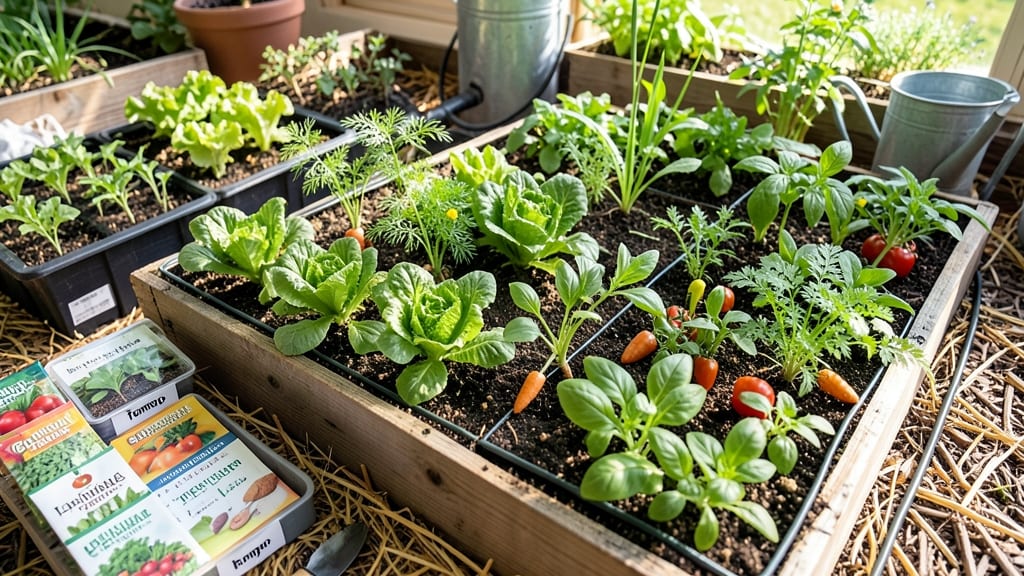
Planting a vegetable garden in California at the right time means the difference between a thriving harvest and wasted effort — and with zero frost risk in most zones, the window is narrow but packed with opportunity.
California’s diverse microclimates mean your vegetable garden’s success hinges on planting at the perfect time—miss the window, and you risk stunted growth or crop failure. But with the right timing, you can enjoy zero-frost-zone harvests year-round.
From coastal fog to desert heat, the best planting months vary wildly. Warm-season crops like tomatoes and peppers need soil temperatures above 60°F, while cool-season veggies like lettuce thrive when nights dip below 70°F.
Without frost dates to guide you, soil thermometers and local weather patterns become your new best friends.
In this guide, I’ll break down the exact months to plant by region—coastal, inland, and desert—plus how to adjust for unpredictable weather. You’ll leave with a customized timeline for your microclimate and the confidence to grow year-round.
California planting zones by region: exact months for frost-free vegetable success
California’s planting zones vary dramatically—from coastal fog belts like San Francisco to desert heat in Palm Springs or high-elevation valleys like Truckee. These microclimates create 30-60 day differences in ideal planting windows.
Warm-season crops like tomatoes and peppers thrive in inland areas by March 15, while coastal gardeners wait until April 15 to avoid chilly soil. Let’s break down the exact months for your region’s zero-frost success.
Understanding your local frost-free dates is critical. Most of California falls in USDA Zones 7-10, but elevation and proximity to water create microclimates within blocks. For example, Death Valley’s 110°F+ summers demand early spring planting, while San Francisco’s cool coastal summers delay warm crops until June.
Use these guidelines to align your planting with soil temperature and daylight hours for optimal growth.
Coastal regions (e.g., San Diego, Santa Cruz) have longer growing seasons but cooler soils. Start cool-season crops like lettuce and broccoli in September-October for winter harvests, while warm-season crops like tomatoes and peppers go in April-May. Inland areas (e.g., Sacramento, Fresno) can plant warm crops 4-6 weeks earlier, often by March 1.
Desert regions (e.g., Palm Springs, Joshua Tree) have short, intense growing seasons. Plant warm-season crops in February-March to beat the 100°F+ summer heat. Cool-season crops thrive in September-October before winter rains arrive. High-elevation areas (e.g., Truckee, Lake Tahoe) have shorter seasons—plant warm crops after May 15 and cool crops in July-August for fall harvests.
Soil temperature is more critical than air temperature. Use a soil thermometer to confirm 50°F+ for cool crops and 60°F+ for warm crops. Coastal soils stay cool longer, while inland soils warm quickly. For example, San Francisco’s soil may not hit 60°F until May 15, while Bakersfield’s soil reaches 60°F by March 1. Adjust your planting 2-4 weeks earlier or later based on your local soil data.
Here’s a region-specific comparison for warm-season (tomatoes, peppers) and cool-season (lettuce, broccoli) crops, accounting for microclimates:
| Region | Warm-Season Crops (Tomatoes, Peppers, Cucumbers) | Cool-Season Crops (Lettuce, Broccoli, Carrots) | Key Microclimate Notes |
|---|---|---|---|
| Coastal (San Francisco, Santa Barbara) | April 15 - May 15 (soil ≥60°F) | September 1 - October 15 (avoid frost risk) | Cooler soils delay warm crops; fog can reduce sunlight by 50% |
| Inland Valleys (Sacramento, Fresno) | March 1 - March 31 (soil ≥60°F) | August 15 - September 15 (longer cool season) | Warmer soils allow earlier planting; watch for heat spikes in summer |
| Desert (Palm Springs, Death Valley) | February 1 - March 15 (beat 100°F heat) | September 1 - October 31 (cool rains arrive) | Plant shade cloth for summer crops; mulch to retain moisture |
| High Elevation (Truckee, Lake Tahoe) | May 15 - June 15 (soil ≥55°F) | July 1 - August 15 (short cool season) | Shorter season; use row covers to extend harvests |
🌱 Pro Tip: Adjust planting dates by 1 week per 500ft elevation—higher = later planting.
For warm-season crops, prioritize transplanting over direct sowing to avoid slow germination in cool soils. Start tomato and pepper seeds indoors 6-8 weeks before your region’s last frost date.
Coastal gardeners should wait until April 15, while inland areas can transplant by March 15. Use black plastic mulch to warm soil 5-10°F faster in cooler regions.
Cool-season crops like lettuce and broccoli thrive in 50-65°F soil. Plant September-October for coastal areas and August-September for inland regions. Desert gardeners can extend cool-season planting into November if using row covers to protect from light frosts. Succession plant every 2 weeks for continuous harvests—this works year-round in California’s zero-frost zones.
Don’t overlook microclimates within your yard. A south-facing wall can create a 5°F warmer microclimate, allowing you to plant 2-3 weeks earlier in that spot. Use
How to adjust planting times for your local weather patterns (rainfall, heat spikes, and more)
California’s weather is famously unpredictable—from coastal fog to desert heat spikes—but these patterns actually give us a competitive edge for gardening. The key lies in reading your microclimate and adjusting planting times accordingly.
For example, inland areas like Sacramento can experience 100°F+ soil by May, while coastal Santa Cruz might still have chilly mornings in June. Understanding these shifts helps you avoid bolting lettuce or wilting tomatoes before harvest.
Start by monitoring soil temperature—not just air temperature—since roots need warmth to germinate. A soil thermometer ($15 at garden centers) is your best tool. For warm-season crops like peppers and eggplants, wait until soil hits 70°F+.
In desert regions, delayed monsoons might push planting back until July, while coastal areas can start earlier. Even rainfall patterns matter: too much moisture in spring can drown seeds, so raised beds help in high-rainfall zones like Humboldt.
🌡️ 5 Critical Adjustments for California’s Unpredictable Weather
- 1. Delay warm-season crops if soil stays below 65°F—use row covers to warm beds faster.
- 2. Start cool-season seeds indoors 4–6 weeks before last frost (even in zero-frost zones) to beat heat spikes.
- 3. Plant drought-tolerant varieties (like Malabar spinach) in desert areas where monsoons are unreliable.
- 4. Adjust watering schedules—coastal fog means less evaporation, so water less frequently than inland gardens.
- 5. Use shade cloth in summer heat (80% block for tomatoes, 30% for lettuce) to prevent bolting.
For desert gardeners, pay attention to the monsoon forecast. If rains are delayed, opt for deep-rooted crops like okra or sweet potatoes, which thrive with minimal summer water. In coastal areas, fog can delay germination—soak seeds overnight before planting to boost moisture retention.
Even elevation matters: gardens in Sacramento’s foothills (300ft+) can be 10°F warmer than the city, affecting planting times.
Don’t rely solely on almanac dates. Instead, use a garden journal to track when your local soil warms, rains arrive, or fog lifts. For example, my San Diego garden gets cooler nights in May due to marine layer, so I delay cucumber seeds until June.
Tools like weather stations (with soil probes) or local CoCoRaHS data provide real-time adjustments. Pro tip: Test your soil’s moisture-holding capacity—amend with compost if it drains too fast during heat waves.
Succession planting is your secret weapon. In Southern California, I sow bush beans every 2 weeks from April to July to stretch harvests. Meanwhile, Northern California gardeners might start kale in August for winter harvests.
Always check seed packet instructions for days to maturity—this tells you exactly when to plant the next batch. For instance, if zucchini takes 50 days and you want a fall harvest, plant a second batch in early July (not August) to avoid overlapping vines.
Finally, watch for heat spikes—even in cooler regions. A sudden 90°F day can shock young seedlings. Harden off plants gradually and provide afternoon shade until they acclimate.
In desert climates, mulch with straw to retain moisture, while coastal gardens benefit from lightweight mulch (like pine needles) to prevent fungal diseases from excess humidity. With these adjustments, you’ll beat the weather and enjoy continuous harvests all year.