
Planting
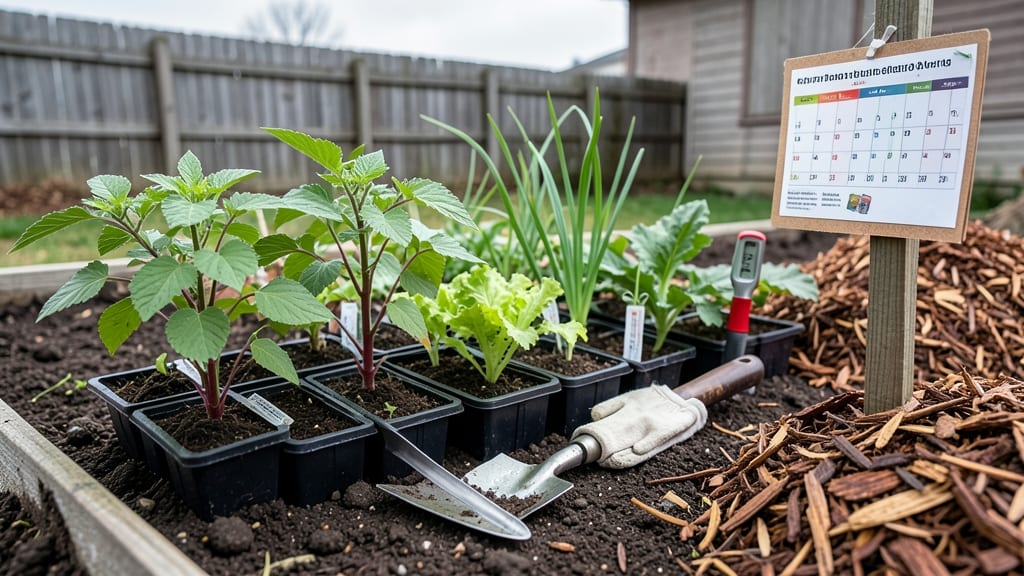
To plant a vegetable garden in Iowa, aim for two weeks after your average last frost date — typically late April in the north and mid-April in the south — but always check soil temperatures first.
Iowa’s unpredictable spring weather can turn a gardener’s excitement into frustration. Planting too early risks frost damage, while waiting too long shortens your growing season. But with the right timing, you can maximize yields and avoid common mistakes that plague Midwestern gardeners.
Cool-season vegetables like spinach and peas can handle frost, while warm-season crops like tomatoes and peppers need soil that’s at least 50°F. Knowing your USDA zone helps, but local frost dates are the real game-changer.
In this guide, I’ll break down Iowa’s frost zones, share backup weeks for risky crops, and show you how to extend your season with row covers or cold frames. Ready to grow more?
Iowa’s last-frost dates by region: when to plant cool-season vs. warm-season vegetables
Iowa’s three distinct regions—North, Central, and South—each have unique last-frost dates that determine your planting window. The Northwest averages May 10–15, while the Southwest can be as late as May 25–30. These dates separate cool-season crops (like spinach and peas) from warm-season plants (tomatoes, peppers).
Cool-season vegetables thrive when soil temps reach 40–50°F, often 4–6 weeks before the last frost. Warm-season crops, however, need soil temps above 60°F and consistent warmth—waiting until after the last frost ensures success. In Iowa, this means late April to early June for most gardeners.
Here’s the key: Backup weeks are critical for high-risk crops like tomatoes and peppers. A late frost in May can devastate seedlings. Use row covers or start indoors 6–8 weeks before your region’s last frost date to hedge your bets.
For cool-season crops, think spinach, peas, lettuce, and kale. These can handle light frosts and even thrive in spring’s chill. In Northwest Iowa, you can plant spinach as early as March 20, while Central Iowa gardeners wait until April 5 to avoid frost damage.
Warm-season crops like tomatoes, peppers, and cucumbers are far more finicky. They cannot tolerate frost and need consistent warmth. In Southwest Iowa, you can plant tomatoes after June 1, but in Northwest Iowa, wait until June 5–10 to avoid late frosts.
Succession planting is your secret weapon. For beans and cucumbers, sow seeds every 2 weeks after your last frost date to ensure a continuous harvest. This works especially well in Central Iowa, where the planting window is shorter but still productive.
Don’t forget about fall planting! Cool-season crops like broccoli and carrots can be sown 6–8 weeks before your first frost (typically September 1–15). This gives you a second harvest before winter sets in.
If you’re new to Iowa gardening, track your local frost dates using resources like the Iowa State University Extension or a local weather station. These tools provide real-time updates and help you adjust your planting schedule year to year.
Finally, microclimates matter. A south-facing slope warms up faster than a north-facing garden bed. Use this to your advantage by planting heat-loving crops in sunny spots and cool-season crops in slightly shaded areas for extended harvests.
With these region-specific guidelines, you’ll avoid the common pitfalls of Iowa gardening—like frost damage or shortened growing seasons. Happy planting! 🌿
How to extend your Iowa growing season: frost-proofing tips for early and late plantings
Iowa’s short growing season means every extra day counts. By using simple frost-proofing techniques, you can safely plant earlier in spring and harvest later in fall. These strategies protect tender seedlings and mature crops from unexpected late frosts or early freezes that plague Midwest gardeners.
The key is layering protection methods to match your crops' sensitivity.
Start with understanding your local frost dates. Northern Iowa typically sees its last frost around May 10-20, while southern regions can plant as early as April 15-30.
For fall, first frosts arrive between October 1-15, depending on your zone. Knowing these dates helps you time your protective measures perfectly.
For late plantings, focus on cold-hardy varieties that tolerate brief chills. Swiss chard, carrots, and beets can handle light frosts and even taste sweeter after exposure. Pair these with low tunnels made from PVC pipes and row covers for extra insulation during fall harvests.
Always monitor your garden’s microclimate. A sunny windowsill or sheltered corner can be 5-10°F warmer than the rest of your yard. Use a minimum-maximum thermometer to track temperatures and adjust your protective measures accordingly. This precision helps you push your planting windows safely.
By combining these strategies, you can extend your Iowa growing season by 4-8 weeks on either end. Start with row covers for quick protection, then layer in cold frames and succession planting for long-term success. Your garden’s productivity—and your harvest table—will thank you!