Planting
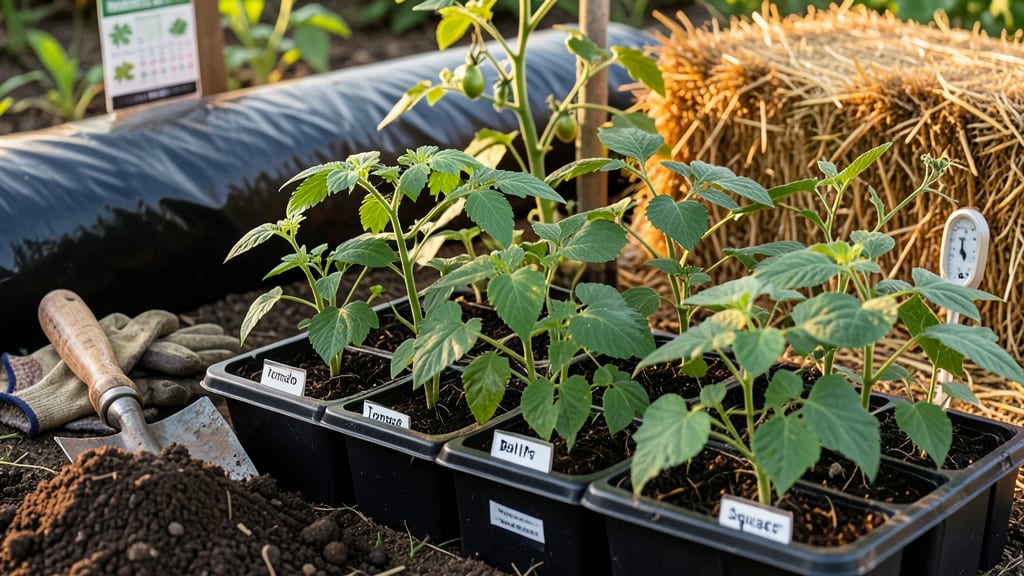
Planting a vegetable garden in Mississippi means timing your crops to avoid the late frosts that can wipe out seedlings or the scorching heat that sends greens bolting before harvest.
Mississippi’s 8a climate gives you two narrow windows—spring and fall—but getting them wrong means wasted effort. Too early, and frost zaps your tomatoes; too late, and the summer sun turns your lettuce bitter before you even pick it.
This guide breaks down the exact frost-date math for 10 key crops, including how to adjust for North vs. South Mississippi’s microclimates and extend your season with row covers.
You’ll learn when to plant everything from heat-loving okra to frost-tolerant kale, plus how to read your soil’s temperature and spot the signs of a coming cold snap.
Mississippi’s frost dates by region: critical planting windows for 10 crops
Mississippi’s frost dates vary dramatically between its North (USDA zones 7b-8a) and South (USDA zones 8a-9a), creating a 3-4 week difference in planting windows.
In the Delta region, the last spring frost typically arrives by March 15, while in North Mississippi, gardeners often wait until April 1 to avoid frost damage.
These regional shifts mean your tomatoes and peppers might thrive in South MS but struggle in Tupelo if planted too early.
Understanding these frost-date averages is your first step to avoiding the heartbreak of frozen seedlings or heat-stressed transplants.
For example, cool-season crops like lettuce and broccoli can go into the ground as early as February in the South, but North Mississippi gardeners should wait until March 15 or later.
Meanwhile, heat-loving crops like okra and sweet potatoes should never hit the soil until after April 15 anywhere in the state.
Here’s the hard truth: Mississippi’s first fall frost can arrive as early as October 15 in the North but often lingers until November 15 in the South. This means your fall garden has a shorter window to produce, so fast-maturing varieties are non-negotiable.
For instance, bush beans might give you a harvest before frost, while cabbage could stretch your season with careful timing.
Microclimates add another layer of complexity. A south-facing slope in Jackson might warm up 2-3 weeks earlier than a low-lying area, while urban heat islands in Biloxi can delay frost by 10 days or more.
Always adjust your planting dates based on your specific location—not just the regional average.
Below is a side-by-side comparison of planting windows for 10 essential crops, broken down by North vs. South Mississippi. Use this as your garden’s roadmap to avoid common pitfalls like bolting greens or blossom-end rot in tomatoes.
| Crop | North MS (Zones 7b-8a) | South MS (Zones 8a-9a) | Soil Temp Requirement | Key Varieties for MS |
|---|---|---|---|---|
| Tomatoes | April 15 - May 15 OR August 1 - August 15 (fall) |
March 20 - April 30 OR July 15 - August 10 (fall) |
60°F+ for transplanting | Celebrity, Better Boy, Arkansas Traveler |
| Peppers (Bell/Chili) | April 20 - May 10 OR July 20 - August 5 |
March 25 - April 15 OR July 1 - July 25 |
65°F+ for germination | Jupiter, Carolina Wonder, Cayenne |
| Squash (Summer) | April 1 - April 20 OR July 1 - July 15 |
March 10 - March 30 OR June 15 - July 10 |
55°F+ for seeds | Yellow Crookneck, Butternut, Zucchini |
| Green Beans | April 15 - May 1 OR July 1 - July 15 |
March 20 - April 1 OR June 15 - July 10 |
50°F+ for planting | Contender, Blue Lake, Tendergreen |
| Lettuce | February 15 - March 15 OR August 1 - September 1 |
January 15 - February 28 OR July 15 - August 15 |
40°F+ for
How to adjust planting times for Mississippi’s microclimates and soil conditionsMississippi’s heavy clay soil and variable frost dates demand flexibility in your planting schedule. The North Mississippi region (USDA Zone 7b) often experiences earlier frosts than the Delta (Zone 8a), meaning your cool-season crops like lettuce and broccoli may need to go in 2-3 weeks earlier in the north. Meanwhile, warm-season crops like okra and sweet potatoes can wait until late April in the south but risk damage if planted too late in the north. Even within these regions, microclimates play a huge role. A south-facing slope warms up faster than a shady valley, allowing you to plant heat-loving crops like tomatoes 2 weeks earlier in sunny spots. Similarly, urban areas with concrete and pavement can create heat islands, pushing back your fall planting window by 10-14 days compared to rural gardens. ⚠️ callout-warning ⚠️ 🌡️ Mississippi’s Frost TrickinessDon’t rely on average frost dates—they’re just guidelines. Late frosts in April can still hit North Mississippi, while early September can bring unexpected chills in the Delta. Use frost-sensitive plants like tomatoes and peppers as your canary in the coal mine: if they survive a 50°F night, your garden’s likely safe. Pro tip: Monitor soil temps—most warm-season crops need 60°F+ soil to germinate. A soil thermometer ($10 at garden centers) is your best friend for avoiding failed plantings. To combat heavy clay soil, amend beds with 2-3 inches of compost or aged manure at least 4-6 weeks before planting. This improves drainage and warms up soil faster in spring. For container gardening in urban areas, use a lightweight potting mix with perlite or vermiculite to mimic well-draining conditions. Containers also let you move heat-sensitive plants to shade during 90°F+ days, extending their growing season by 2-3 weeks. Extend your growing season with row covers (like floating row covers) to protect cool-season crops from light frosts down to 25°F. For early spring or late fall plantings, use cold frames or mini greenhouses to raise soil temps by 10-15°F. These tools let you plant spinach in February or kale in October without risking frost damage. Succession planting is your secret weapon for continuous harvests. In Mississippi’s 210 frost-free days, plant lettuce every 2 weeks from February to September to avoid bolting. For bush beans, stagger plantings every 3 weeks from April to July to enjoy fresh pods all summer. Even tomatoes benefit from two plantings: one in early May and another in mid-July for fall harvests. For root crops like carrots and beets, time your fall planting so they mature before first frost. Aim for 60-70 days to harvest before November 15. If you’re growing greens like collards or mustard, they’ll actually sweeten up after a light frost, so plant them in late summer for a winter harvest. Just be ready to protect them with row covers when temps dip below 30°F. |