
Planting
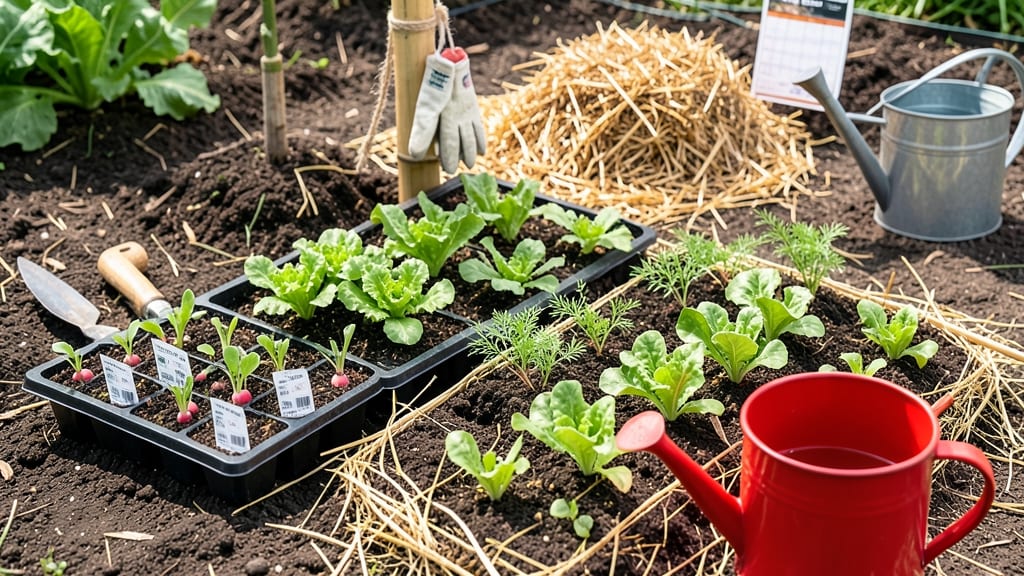
To plant a vegetable garden in Northern California, timing is everything—especially with its microclimates that can turn a perfect spring day into a frost trap overnight. 🥬
Northern California’s diverse microclimates—from coastal fog to inland heat—mean planting your vegetable garden at the wrong time could spell disaster for your crops. Get the exact dates to maximize yields and avoid frost damage, tailored to your specific region.
Cool-season crops like lettuce and broccoli thrive when planted in late winter to early spring, while tomatoes and peppers need to wait until after the last frost, usually May to June depending on your zone. Miss these windows, and you’ll either face stunted growth or bolted greens.
Below, I break down the best planting windows by region—whether you’re in the Bay Area’s 8b-9b zones or Sacramento’s 9a-10a—plus how to adjust for fog, heat, and urban gardening challenges.
Northern California planting zones: when to start seeds and transplants by region
Northern California’s USDA zones 8-10 create a gardening puzzle—coastal areas like San Francisco stay cooler longer, while the Central Valley bakes by summer. Understanding these microclimates is key to timing your seed starts and transplants perfectly.
Whether you're growing frost-tender tomatoes or cool-loving kale, getting the dates wrong can mean lost harvests.
Your last frost date isn’t just about the calendar—it’s about soil temperature, elevation, and even urban heat islands. For example, Sacramento’s last frost typically hits February 15, while San Francisco’s coastal fog delays it until March 15.
These differences mean warm-season crops like peppers might thrive in the Valley by May 1 but need to wait until June 1 near the coast.
Here’s your region-specific planting guide, broken down by coastal, Bay Area, Central Valley, and Sierra foothills zones. Use these dates to start seeds indoors or transplant seedlings for maximum success.
| Region | Last Frost Date | First Frost Date | Cool-Season Start (Indoors) | Cool-Season Transplant | Warm-Season Start (Indoors) | Warm-Season Transplant |
|---|---|---|---|---|---|---|
| Coastal (San Francisco, Monterey) | March 15 | December 1 | January 15 | February 28 | March 1 | June 1 |
| Bay Area (Oakland, Berkeley) | March 1 | November 15 | January 1 | February 15 | February 15 | May 15 |
| Central Valley (Sacramento, Stockton) | February 15 | November 1 | December 1 | January 31 | January 15 | April 15 |
| Sierra Foothills (Chico, Redding) | March 1 | October 31 | January 15 | February 28 | February 1 | May 1 |
*Dates are averages—check local frost alerts and soil temps for adjustments.
For cool-season crops like lettuce, broccoli, and peas, start seeds 4-6 weeks before your region’s last frost date. In the Central Valley, this means December 1 for direct sowing, while coastal gardeners should wait until January 15.
Use row covers to extend your season by 2-4 weeks if frost threatens.
Warm-season crops like tomatoes, peppers, and squash need soil temperatures above 6
Best vegetables to plant by month in Northern California’s unique climate
Northern California’s microclimates create a gardening puzzle—coastal areas like San Francisco stay cooler longer, while the Central Valley heats up faster. Timing is everything: plant lettuce too early in the Valley, and it bolts; delay tomatoes in coastal zones, and you’ll miss the summer harvest.
The key? Match crops to your local last frost date and embrace succession planting for nonstop harvests.
For cool-season crops like spinach and broccoli, start seeds indoors 4–6 weeks before your area’s last frost—typically February to early March for inland regions and March to April for coastal areas.
Warm-season peppers and eggplants, however, need soil temps above 60°F, so wait until April to May for Valley gardeners and May to June for coastal growers.
📅 Northern California Planting Calendar
- 1 February–March: Direct-sow peas, spinach, and lettuce; start broccoli and cabbage indoors.
- 2 April: Plant onions, carrots, and radishes; transplant cool-season crops outdoors after last frost.
- 3 May: Sow beans, corn, and cucumbers; transplant tomatoes and peppers after soil warms.
- 4 June–July: Succession-plant lettuce and spinach for fall harvests; direct-sow squash and melons.
- 5 August: Start kale and collards for winter harvests; sow garlic for next year.
- 6 September–October: Plant broccoli, cauliflower, and brussels sprouts for late-winter harvests.
Pro tip: Use shade cloth in the Valley to protect tomatoes from scorching summer sun, while coastal gardeners can extend harvests by planting spinach in late summer for a fall crop. Succession planting—sowing lettuce every 2 weeks—ensures you’ll always have fresh greens, even in USDA Zone 9b.
For long-season crops like corn and squash, time planting so they mature before first frost. Inland areas can grow sweet corn from May to July, while coastal gardeners might squeeze in one June planting.
Always check seed packets for days to maturity—90-day tomatoes need early starts in the Valley but can wait until late May near the coast.
Don’t overlook fall planting! Garlic and onions thrive when sown in October, and leafy greens like arugula bolt slower in cooler weather. Even in Zone 9b, a light frost won’t kill kale or brussels sprouts—it just sweetens their flavor.
Plan your fall garden now for a winter harvest before the rains arrive.
Remember: Soil temperature matters more than air temperature. Use a soil thermometer to confirm 60°F+ for warm crops or 40–50°F for cool-season starts. With these monthly guidelines, you’ll avoid common mistakes like bolting lettuce or blossom-end rot in tomatoes—both caused by timing gone wrong.