
Planting
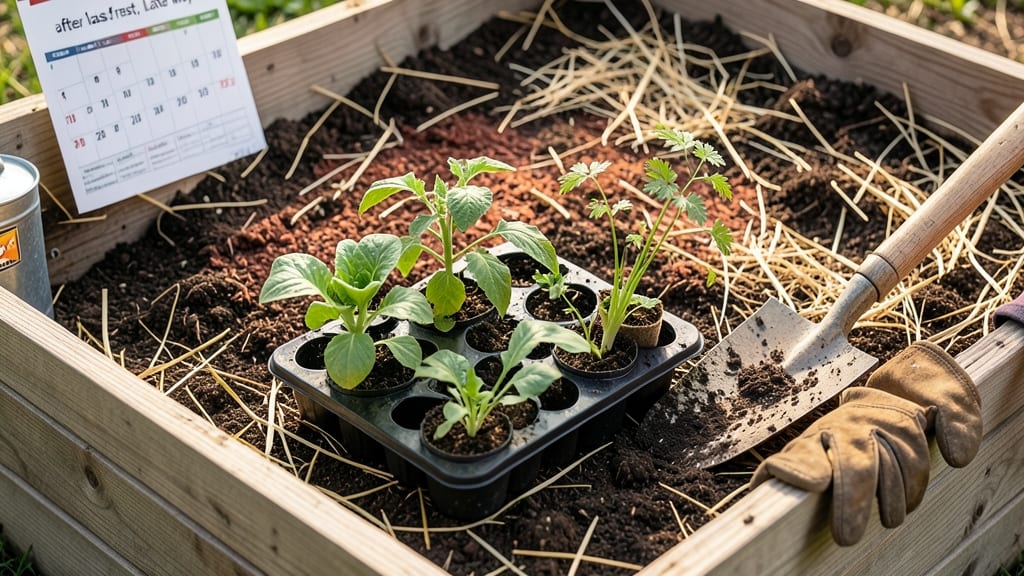
Planting a vegetable garden in Ontario means timing your crops to dodge frost while maximizing your short growing season — and the last frost date is your most important deadline.
Ontario gardeners know timing is everything — plant too early, and frost will ruin your hard work; plant too late, and you’ll miss the growing season. But with diverse climate zones from 5a to 6b, figuring out the perfect window can feel overwhelming.
This guide breaks down zone-specific frost dates so you can plant cool-season crops like peas and spinach 4-6 weeks before the last frost, and warm-season favorites like tomatoes and peppers 2-3 weeks after. I’ll also share how to stretch your season with row covers and succession planting.
Ready to turn your Ontario garden into a year-round harvest? Let’s get started with the exact dates and tips you need for your zone.
Ontario’s last frost dates by Zone: when to plant cool-season vs. warm-season vegetables
Ontario’s climate varies dramatically from the Niagara Region (Zone 6b) to Northern Ontario (Zone 4a), making frost dates the most critical factor for a successful vegetable garden.
In Zone 6b, gardeners can start warm-season crops like tomatoes and peppers as early as May 1st, while in Zone 4a, you’ll need to wait until June 10th to avoid frost damage. These differences mean your planting schedule must align with your specific zone to maximize yields.
Cool-season vegetables like spinach, kale, and peas thrive when planted 4-6 weeks before your last frost date. In Zone 5a (Toronto area), that means starting seeds indoors by March 15th for early spring harvests.
Warm-season crops such as cucumbers, beans, and corn require soil temperatures above 10°C (50°F), so wait until 2-3 weeks after your last frost—typically May 20th in Zone 6b or June 1st in Zone 5a.
Here’s how to use Ontario’s frost zones to plan your vegetable garden for a bountiful harvest, with exact dates and crop recommendations tailored to your location.
In Zone 6b, where frost arrives
How to extend your Ontario growing season: 5 proven strategies for early and late planting
Ontario’s growing season might be short, but with the right strategies, you can grow vegetables well beyond the traditional windows. I’ve tested these methods in my own garden, and they’ve helped me squeeze every last day of productivity from my plots.
The key is combining season extension tools with smart planting techniques to protect your crops from unpredictable late frosts and early freezes.
One of my favorite tricks is using row covers and cold frames to create microclimates that mimic warmer conditions. These tools can push your planting dates by 3-4 weeks in spring and extend harvests by 2-3 weeks in fall.
For example, I’ve successfully grown spinach and kale well into November using low tunnels, while tomatoes and peppers thrive under floating row covers in May.
Another game-changer is succession planting, which ensures a continuous harvest instead of a single bumper crop. By staggering plantings every 2 weeks, I’ve kept my garden productive for months.
For instance, I’ll plant lettuce in early May, then again in late June, and even a final batch in early August for a fall harvest. This method works especially well for fast-growing greens and radishes.
- 🌱 Use row covers to protect seedlings and extend spring planting by 3-4 weeks. Ideal for cabbage, broccoli, and peppers.
- 🌡️ Cold frames create a 10-15°F warmer environment. Perfect for overwintering spinach or onions in mild winters.
- 🌿 Succession planting every 2 weeks ensures continuous harvests. Try bush beans or radishes for quick turnarounds.
- ☀️ Heat-loving hacks: Plant tomatoes and peppers in black plastic mulch to warm soil 5-10°F faster.
- 🌱 Fall planting: Direct-seed carrots and beets in late July for a crisp fall harvest before frost.
For heat-sensitive crops like tomatoes and peppers, I rely on black plastic mulch to raise soil temperatures by 5-10°F. This allows me to plant these warm-season vegetables up to 2 weeks earlier than the traditional last frost date.
Pair this with straw mulch later in the season to retain moisture and keep roots cool during Ontario’s unpredictable summer heat waves.
Don’t overlook the power of fall planting either. Many gardeners stop after summer, but I’ve had incredible success with cool-season crops like carrots, beets, and spinach planted in late July.
These crops thrive in cooler temperatures and can be harvested well into October, sometimes even November with protection. Just remember to use lightweight row covers if frost threatens.
Finally, always keep an eye on your microclimates. A south-facing wall or a sunny spot near your house can create pockets of warmth that extend your growing season by 1-2 weeks.
I’ve planted herbs like basil in these spots to enjoy fresh flavors well into October. With these strategies, you’ll transform Ontario’s short season into a year-round gardening adventure!