Planting
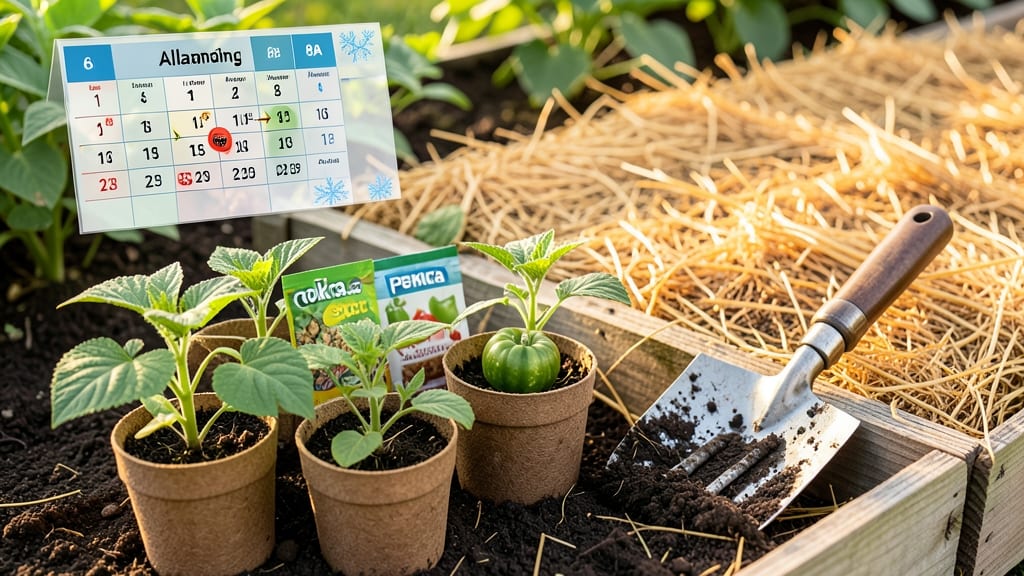
Planting your garden in Alabama at the right time means the difference between a thriving harvest and a sad, wilted disappointment.
Alabama’s warm climate and long growing seasons make it a gardener’s paradise—but planting at the wrong time can mean wasted effort or stunted crops. Whether you're sowing cool-season greens or heat-loving tomatoes, timing is everything.
For Alabama’s 7b-8a zones, the last frost typically arrives in mid-March, signaling the start of the ideal planting window for most vegetables and flowers.
But not all plants follow the same schedule—cool-loving crops like broccoli and peas need an early start, while tomatoes and peppers thrive only after the soil warms.
Below, I break down the exact weeks to plant your garden by region, plant type, and season—so you can avoid common mistakes and maximize your yield from spring through fall.
Alabama’s frost-free dates by region: key planting windows explained
Alabama’s diverse climate—spanning USDA zones 6b to 8a—creates distinct planting windows across the state. Northern Alabama (like Huntsville) has earlier frosts (mid-March to late November), while southern regions (like Mobile) enjoy longer frost-free seasons (late February to mid-December).
Understanding these differences ensures your cool-season crops thrive before summer heat arrives.
For cool-season crops like lettuce, spinach, and broccoli, plant 4-6 weeks before your last frost date. In North Alabama, this means starting seeds indoors by mid-February, while southern gardeners can sow directly in early February.
Warm-season crops like tomatoes and peppers, however, must wait until soil temperatures reach 60°F—typically mid-April in the north and early March in the south.
Key frost-free dates by region: - North Alabama (USDA 6b-7a): Last frost March 15–April 1, first frost November 15–December 1. - Central Alabama (USDA 7b-8a): Last frost March 1–March 15, first frost November 1–November 15. - South Alabama (USDA 8a): Last frost February 15–March 1, first frost December 1–December 15.
Here’s a quick reference for your planting timeline, tailored to Alabama’s microclimates and crop types:
In North Alabama, where frosts linger longer, focus on early spring crops like peas and radishes, then transition to warm-season staples after the last frost. Use row covers to extend the season for lettuce or spinach into early summer.
Southern gardeners, meanwhile, can enjoy year-round greens with minimal frost risk, but should prioritize heat-tolerant varieties like okra or sweet potatoes for summer.
For warm-season crops, wait until soil temperatures consistently stay above 60°F. Test soil with a thermometer—tomatoes and peppers need warmth to germinate. In North Alabama, this often means waiting until late April, while southern gardeners can plant as early as mid-February.
Succession planting is key: Sow beans and cucumbers every 2-3 weeks to ensure a continuous harvest.
Extend your growing season with seasonal adjustments. In cooler zones, use black plastic mulch to warm soil faster in spring. For fall crops, plant broccoli and kale by mid-August to harvest before the first frost. Southern gardeners can experiment with winter greens like collards, which thrive in mild winters.
Always check your local Alabama Cooperative Extension office for hyper-local frost data—microclimates (like valleys or urban heat islands) can shift planting windows by 1-2 weeks.
Pro tip: Mark your last frost date on your calendar and set reminders for succession planting. For example, in Central Alabama, plant squash seeds every 2 weeks from April 15 to June 1 to avoid a glut of produce at once.
This strategy maximizes your garden’s potential and minimizes waste.
Don’t let Alabama’s humid summers intimidate you—with the right timing, you can grow almost anything. Start with easy crops like okra, sweet potatoes, and zinnias, which thrive in heat and humidity.
Once you’ve mastered the basics, experiment with lesser-known varieties like yam beans or African marigolds, perfect for Alabama’s climate.
Remember: Soil preparation is just as critical as timing. Amend your soil with compost or aged manure in fall or early
Best planting schedule for Alabama vegetables, flowers, and herbs
Alabama’s extended growing season lets you enjoy fresh produce year-round, but timing matters for everything from tomatoes to azaleas. Whether you’re in North Alabama’s cooler USDA Zone 6b or South Alabama’s balmy Zone 8a, this schedule keeps your garden thriving.
Start with cool-season crops in early spring, then transition to heat-loving plants as temperatures rise.
For vegetables like okra and peppers, wait until after your last frost date (typically mid-March in North Alabama, February in the South) and when soil warms to 60°F or higher. Herbs like rosemary prefer warmer soil too, so plant them in late spring.
Meanwhile, azaleas and spring-blooming flowers should go in the ground in early spring for a vibrant display.
🌱 Alabama Planting Schedule by Month
- 1 February-March: Start cool-season veggies (kale, spinach, lettuce) indoors or in protected outdoor beds. Plant azaleas and spring bulbs (daffodils, tulips) for early blooms.
- 2 April: Transplant cool-season crops outdoors after last frost. Plant rosemary, thyme, and spring flowers (pansies, snapdragons) in well-draining soil.
- 3 May-June: Plant tomatoes, peppers, and okra after soil reaches 65°F+. Start summer flowers (marigolds, zinnias) for continuous color.
- 4 July-August: Sow fall crops (collards, turnips) in shade cloth to avoid bolting. Mulch rosemary and perennials to retain moisture.
- 5 September-October: Plant cool-season veggies and spring-blooming bulbs (tulips, hyacinths) for next year. Extend herb harvests (parsley, cilantro) with row covers.
Extend your growing season in cooler zones by using row covers or cold frames for peppers and tomatoes in late fall. In South Alabama, you can even plant winter greens like spinach in December for a holiday harvest.
Always monitor soil temperature—60°F+ is ideal for most warm-season crops.
For herbs like rosemary, plant in well-draining soil with full sun (6+ hours daily). In North Alabama, protect young plants with frost cloth until temperatures stabilize. Azaleas thrive in acidic soil (pH 5.0–6.0), so amend with peat moss if needed.
Don’t forget to rotate crops annually to prevent disease and mulch heavily in summer to retain moisture. With this schedule, you’ll enjoy homegrown tomatoes in July and fresh herbs year-round—Alabama gardening at its finest! 🌿