
Planting
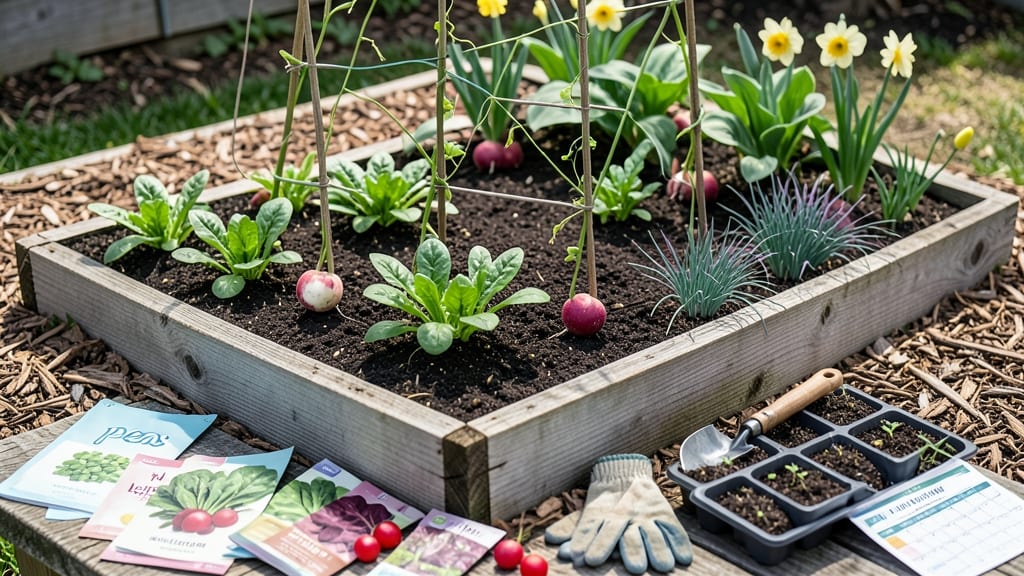
Planting your garden in Connecticut after the last frost date is the key to avoiding wasted effort and missed harvests.
Connecticut’s unpredictable frost dates can make or break your garden—plant too early, and your seedlings freeze; too late, and you miss peak harvests. But with the right timing, you can grow a thriving, zero-waste garden that aligns perfectly with CT’s climate.
Whether you’re sowing cool-season veggies like spinach or waiting for warm-season favorites such as tomatoes, knowing when to plant is everything. The average last frost in most of CT falls around mid-May, but microclimates along the coast or in the hills can shift that window by weeks.
Below, I break down the exact frost dates by USDA Zone, how to prep your soil for success, and the three-season planting calendar that keeps your garden productive from spring to fall.
CT frost dates 2024: when to plant cool-season vs. warm-season vegetables
Connecticut’s three distinct growing zones mean frost dates vary from western hills to coastal areas. The average last spring frost ranges from April 15 to May 10, while the first fall frost typically arrives between October 10 and November 1.
Knowing these dates helps you time cool-season crops like kale and warm-season plants like tomatoes perfectly.
For Zone 5 (western CT), expect the earliest frosts, while Zone 6 (central/southern CT) enjoys slightly longer growing seasons. Coastal areas in Zone 6b may have 10-14 extra frost-free days compared to inland regions. Always check local almanac records—2024’s unpredictable weather may shift dates by 1-2 weeks.
Use this planting timeline as your guide: Cool-season crops like broccoli and peas thrive when soil temps hit 40°F, while warm-season plants like peppers and cucumbers need 60°F+ soil. Start seeds indoors 4-6 weeks before your zone’s last frost to avoid delays.
Pro Tip: Harden off seedlings gradually—3-5 days of outdoor exposure—before transplanting after the last frost. This reduces shock and boosts survival rates.
| Zone & Location | Avg. Last Spring Frost | Avg. First Fall Frost | Cool-Season Plants | Warm-Season Plants |
|---|---|---|---|---|
| Zone 5 (Litchfield, Tolland) | April 22 | October 15 | Peas, Spinach, Kale (Mar 15-Apr 15) | Tomatoes, Peppers (May 20-Jun 1) |
| Zone 6a (Hartford, New Haven) | April 29 | October 22 | Lettuce, Broccoli, Radishes (Mar 20-Apr 20) | Cucumbers, Basil (May 10-May 25) |
| Zone 6b (Fairfield, New London) | May 5 | November 1 | Cabbage, Carrots, Onions (Mar 25-Apr 25) | Eggplant, Okra (May 15-Jun 5) |
*Dates based on 30-year averages; verify locally for 2024 adjustments.
For cool-season crops, aim to plant 4-6 weeks before the last frost. Leafy greens like spinach tolerate light frosts, but head lettuce needs consistent temps above 45°F. Use row covers to extend harvests into early spring or late fall.
Warm-season plants demand patience—soil must warm to 60°F+ before transplanting. Test with a soil thermometer; if it’s cooler, wait or use black plastic mulch to speed up warming. Peppers and eggplants are especially sensitive—plant them after Memorial Day in most zones.
Herbs like cilantro and dill bolt in heat, so sow them in early spring or late summer. Basil and oregano, however, thrive in summer’s warmth—plant after the last frost. Flowers like marigolds can handle both seasons but bloom best with consistent sunlight.
Don’t forget fall planting! Many cool-season crops perform better in autumn’s mild temps. Spinach and kale sown in late July or August often produce sweeter harvests. Use succession planting every 2 weeks for continuous yields.
Monitor local weather forecasts in April and October—late frosts can still occur. If frost is predicted, cover tender plants with lightweight row fabric or old blankets. Hardy varieties like Swiss chard and arugula often survive light frosts.
Plan ahead for zero-waste gardening: Use saved seeds from your harvest to replant next year. Compost crop residues to enrich soil for future plantings. By aligning your planting with CT’s frost dates, you’ll maximize yields while minimizing waste.
How to extend your CT growing season without wasting resources
Connecticut’s short growing season doesn’t mean you have to settle for fewer harvests. With smart season extension techniques, you can grow fresh produce well into fall or even start spring planting earlier.
The key is using what you already have—like old windows, fabric scraps, or even cardboard—to create protective barriers without buying expensive supplies.
I’ve extended my own fall harvests by 6-8 weeks using simple, zero-waste methods. Whether you’re protecting tender seedlings from late frosts or shielding mature plants from early chills, these strategies work for any CT garden—from urban balconies to rural plots.
The best part? Most materials can be repurposed from your home or recycled from neighbors.
5 Zero-Waste Ways to Extend Your CT Growing Season
- 1. Row Covers: Use old bedsheets or lightweight fabric to shield plants. Secure with rocks or stakes—no need for commercial covers!
- 2. Cold Frames: Repurpose clear plastic bins or old windows in wooden frames. Place over seedlings to trap heat.
- 3. Succession Planting: Sow fast-growing crops like radishes or lettuce every 2 weeks to ensure continuous harvests.
- 4. Companion Planting: Pair heat-loving plants (like tomatoes) with cool-season crops (like spinach) to maximize space.
- 5. Mulching: Use fallen leaves or straw to insulate soil and retain warmth—free and effective!
Start with row covers for the easiest, most budget-friendly option. I cut old white sheets into strips and drape them over my kale and broccoli beds in late September. The fabric blocks light frost while allowing sunlight and water to pass through.
For a more permanent setup, build a cold frame using wooden frames and plastic lids from storage bins.
Don’t overlook succession planting—it’s the secret to a never-ending harvest. Instead of planting all your bush beans at once, stagger them every 2 weeks. This way, when the first batch is ready, the next is just starting.
Pair this with companion planting to save space and deter pests naturally. For example, basil near tomatoes repels flies while improving flavor.
Even mulching can add 2-3 weeks to your growing season. Spread a thick layer of straw or shredded leaves around plants to insulate roots. This keeps soil temperatures stable and reduces watering needs. I reuse leaves from my yard or collect them from neighbors’ raking projects—zero waste!
Test your methods in small areas first. If you’re unsure about frost dates, monitor local forecasts and adjust covers accordingly. With these techniques, you’ll enjoy fresh harvests well into November—or even start spring planting as early as March! 🌱