Planting
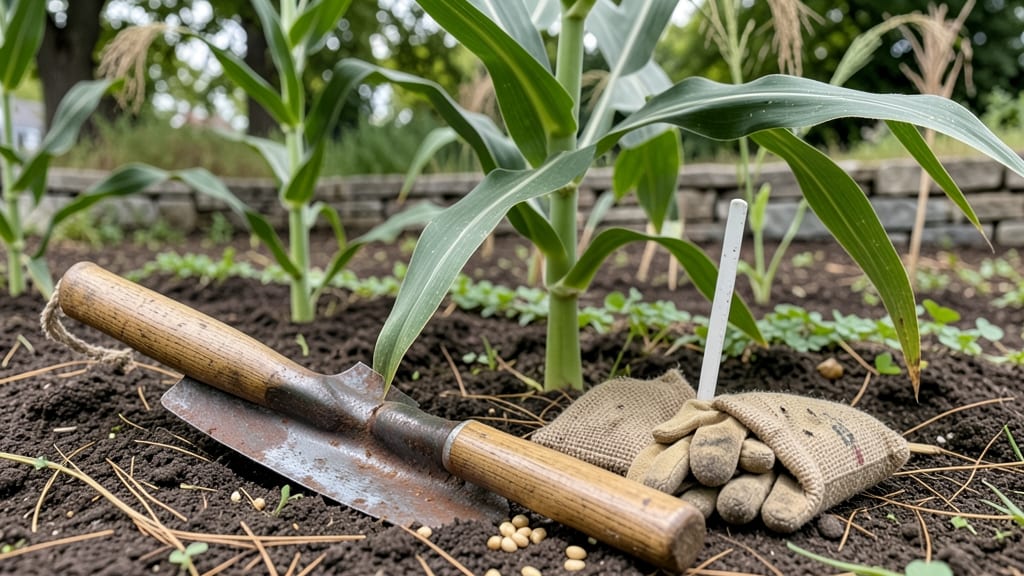
Planting your garden in Iowa after the last frost ensures your 🌱 seedlings survive and thrive, with soil temperatures warm enough for root growth.
But here’s the catch: Iowa’s frost dates swing wildly by zone, and planting too early can turn your hard work into a sad, frost-nipped memory. I’ve seen 6-foot corn stunted by a late May freeze, and that’s no way to start a season.
This guide breaks down the perfect planting windows for Iowa’s USDA zones (4a–5b), from cool-season crops like peas to heat-loving tomatoes. You’ll learn when to start seeds indoors, when to transplant, and how to stretch your harvest into fall.
Skip the guesswork—get the exact dates, soil temps, and pro tips to turn your Iowa garden into a high-yielding powerhouse from spring to frost.
Iowa’s frost-free dates & soil temperature guide by planting Zone
Iowa spans USDA Hardiness Zones 4a to 5b, meaning frost dates and soil warmth vary dramatically from north to south. In Zone 4a (northwest Iowa), the average last spring frost arrives around May 10, while Zone 5b (southeast Iowa) typically sees its final frost by April 25.
These differences directly impact when you can safely plant cool-season crops like peas and spinach versus warm-season favorites like tomatoes and peppers.
Soil temperature is equally critical—most direct-sown seeds need soil at least 50°F, while transplants like tomatoes thrive when soil reaches 60°F–65°F. In Iowa, soil warms gradually from mid-April in the south to late May in the north.
Using a soil thermometer ($10–$15 at garden centers) ensures you plant at the perfect moment, avoiding stunted growth from cold soil.
Below is your zone-specific planting calendar, including frost dates, soil temperature benchmarks, and ideal planting windows for both cool-season and warm-season crops. Pro tip: Bookmark this guide—it’s your roadmap to a bountiful Iowa garden!
For Zone 4a gardeners, focus on fast-maturing varieties of warm-season crops like bush beans (50 days to harvest) or zucchini (45 days).
In Zone 5b, you can push the envelope with late tomatoes or peppers by using black plastic mulch to warm soil faster—this raises soil temps by 5–10°F and extends the season by 2–3 weeks. Test mulch in a small plot first to avoid overheating roots.
Cool-season crops like spinach and kale tolerate light frosts (down to 25°F), so you can plant them as early as late February in Zone 5b or early April in Zone 4a.
Use row covers (available at Tractor Supply Co. for ~$20) to protect tender seedlings from unexpected late frosts. I’ve had success with spinach ‘Bloomsdale Long Standing’—it bolts slower than other varieties, giving me harvests from spring to fall.
Transplanting warm-season crops like tomatoes or peppers too early leads to blossom-end rot or stunted growth. Wait until soil is consistently 60°F+ for 5+ days.
In my Zone 4b garden, I start tomato seedlings indoors March 15 and harden them off by April 15, then transplant after the May 1 frost date. This timing ensures robust plants ready for Iowa’s summer heat.
First-time Iowa gardeners often overlook soil preparation timing. Work soil 2–3 weeks before planting—this gives cold, compacted ground time to warm and crumble. Add compost (1–2 inches) and a balanced fertilizer (10-10-10) at this stage.
In Zone 5b, I prep beds in early March for cool-season crops, while in Zone 4amid-April to avoid working wet soil.
Use these soil temperature benchmarks as your guide: - 50°F: Direct-sow peas, spinach, lettuce - 55°F: Direct-sow carro
14 Common Iowa crops: exact planting windows & spacing tips
Timing is everything in Iowa’s garden—especially when balancing unpredictable spring frosts with short summer heat waves. For example, tomatoes need warm soil (at least 55°F) to thrive, while lettuce bolts in summer’s 90°F+ days.
I’ve broken down the ideal planting windows for 14 staple crops, including when to start seeds indoors and the best spacing to avoid competition.
Pro tip: Use companion planting to boost yields—like pairing bush beans with corn (beans fix nitrogen) or carrots with onions (onions deter carrot flies). Below, I’ve compared early vs. late varieties of the same crop to help you decide whether to prioritize earlier harvests or longer production.
| Crop | Early Variety (Days to Harvest) | Late Variety (Days to Harvest) | Planting Window | Spacing (ft) |
|---|---|---|---|---|
| Tomatoes | 60-65 days ('Early Girl') | 80-85 days ('Brandywine') | Start indoors 4-6 weeks before last frost (mid-April); transplant after May 15 | 2-3 ft apart |
| Green Beans | 50-55 days ('Blue Lake') | 60-65 days ('Kentucky Wonder') | Direct sow after soil reaches 60°F (late April–May) | 4-6 inches apart |
| Zucchini | 45-50 days ('Eight Ball') | 55-60 days ('Black Beauty') | Start indoors 3-4 weeks before last frost; transplant after May 10 | 2-3 ft apart |
| Lettuce | 30-40 days ('Black Seeded Simpson') | 50-60 days ('Romaine') | Direct sow 4-6 weeks before last frost (March–April) or late summer for fall harvest | 8-12 inches apart |
| Corn | 65-70 days ('Golden Bantam') | 90-100 days ('Silver Queen') | Direct sow after soil reaches 60°F (mid-May); plant in blocks, not rows | 12-18 inches apart |
| Peppers | 60-65 days ('Jalapeño') | 80-90 days ('Bell Pepper') | Start indoors 8-10 weeks before last frost; transplant after June 1 | 18-24 inches apart |
| Carrots | 60-70 days ('Paris Market') | 70-80 days ('Danvers') | Direct sow as soon as soil can be worked (March–April) or late summer | 2-3 inches apart |
Spacing adjusts for trellised plants (e.g., pole beans) or container gardening.
For cool-season crops like spinach or kale, aim to harvest before summer heat sets in. I plant these in early spring (March–April) and again in late summer (August) for a fall crop. Succession planting every 2 weeks ensures a steady supply—perfect for salads or freezing.
One mistake I made early on? Overcrowding radishes and turnips. These root vegetables need 2-3 inches of space to avoid stunted growth. Use a soil thermometer to monitor temperatures—radishes thrive in 55°F–65°F soil, while turnips prefer 50°F–70°F.
Plant radishes first for faster harvests, then turnips in the same spot.
Don’t forget to harden off seedlings before transplanting! Gradually expose them to outdoor conditions over 7-10 days to prevent shock. For warm-season crops