
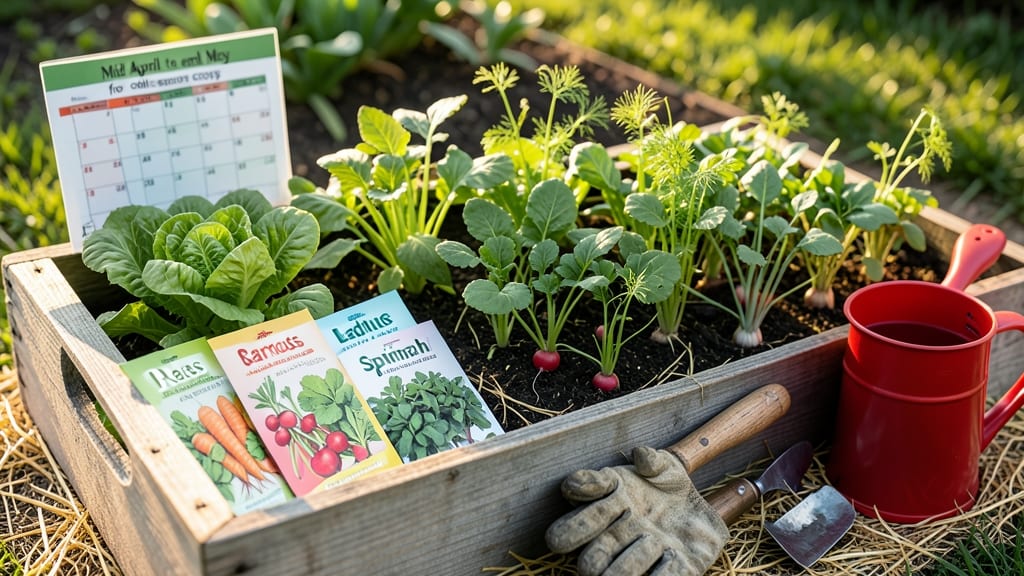
When to Plant a Garden in Nebraska: Soil Temperature Triggers for Peak Success

Planting

When to Plant a Garden in Nebraska: Soil Temperature Triggers for Peak Success

Planting your garden in Nebraska at the right time means the difference between a thriving harvest and wasted seeds 🌱 — and soil temperature is the real secret most gardeners miss.

Nebraska’s unpredictable climate can make or break your garden—planting at the wrong time means stunted growth or wasted seeds, while timing it perfectly ensures a bountiful harvest. Mastering soil temperature triggers is the key to unlocking your garden’s full potential.

Most gardeners guess by calendar dates, but Nebraska’s USDA zones 4a-6b demand a smarter approach. Whether you’re in Omaha, Lincoln, or the western plains, soil warmth dictates when to plant everything from corn to peas.

In this guide, I’ll break down the exact soil temps to watch for, the best spring and fall windows for your region, and how to adjust for Nebraska’s infamous late frosts or early heatwaves.

🌱 When to Plant Garden
Jan ā„ļø
Feb ā„ļø
Mar 🌱
Apr 🌱
May 🌱
Jun 🌱
Jul ā˜€ļø
Aug ā˜€ļø
Sep šŸ‚
Oct šŸ‚
Nov šŸ‚
Dec ā„ļø
Ideal Time
Also Good

Nebraska’s planting zones and soil temperature guidelines by month

Nebraska spans USDA Hardiness Zones 4a through 6b, meaning gardeners must account for dramatic temperature swings—from late spring frosts to early fall freezes. The key to success? Planting when soil temperatures hit 40°F for cool-season crops and 60-85°F for warm-season varieties.

Rural areas like Panhandle (Zone 4a) face harsher conditions than cities like Omaha or Lincoln (Zone 5b-6a).

Soil temperature is more critical than air temperature—wait until the ground warms to avoid stunted growth. For example, tomatoes and peppers won’t thrive until soil reaches 65°F+, while spinach and peas can handle 40-50°F.

Nebraska’s average last frost dates range from April 15 (southeast) to May 15 (west), but late frosts can strike until June 1 in higher elevations.

Regional microclimates matter: Omaha’s urban heat island warms soil faster than Lincoln’s clay-heavy soils, while rural western Nebraska may need to wait 2-3 weeks longer before planting warm-season crops. Always check local frost data from sources like the Nebraska State Climate Office to adjust your schedule.

<

How to Test soil temperature and adjust planting for Nebraska’s unpredictable weather

Nebraska’s spring weather can swing from freezing nights to 80°F days in just weeks, making soil temperature the true indicator—not the calendar—of when to plant. A soil thermometer ($10 at garden centers) reveals whether your garden beds are ready for seeds or seedlings, even if the air feels warm.

For example, cool-season crops like peas thrive at 40-50°F soil, while tomatoes need 60°F+ to germinate.

Start testing soil temps 2-3 weeks before your average last frost date (typically April 15-May 1 in Nebraska). Check temps early morning at a 4-inch depth—this mimics root zone conditions. Pro tip: Shade the thermometer for 5 minutes before reading to avoid air temperature interference.

In western Nebraska, where nights stay chilly longer, you might need to wait until mid-May for warm-season crops.

āš ļø Late Frost Warning for Nebraska Gardeners

Even after your average last frost date, Nebraska’s late spring frosts (common until May 10-20) can devastate young plants. Use frost dates as guidelines, not rules:

  • Hardy crops (peas, spinach, kale): Plant 2-3 weeks before last frost
  • Moderate crops (carrots, lettuce): Wait for 45°F+ soil and consistent 50°F nights
  • Tender crops (tomatoes, peppers): Hold off until soil hits 60°F+ and night temps stay above 50°F

Action tip: Cover seedlings with frost cloth if temps dip below 28°F after planting.

Adjust your planting schedule by planting dates, not just seed packets. For instance, radishes (cold-tolerant) can go in at 40°F soil, while cucumbers need 70°F+.

Use this 3-step method to time it right:

  1. Test soil for 7 consecutive days at target temp,
  2. Check 7-day weather forecasts for frost risks, and
  3. Plant afternoon of Day 7 when soil is warmest.

Heatwaves complicate things too—soil can overheat above 90°F, shocking seeds.

In Nebraska’s western plains, where summer soil temps hit 100°F+, opt for shade cloth or drip irrigation to keep roots cool. Direct-seed heat-lovers like okra or sweet potatoes when soil is 80-85°F and air temps stay above 75°F for 3+ days.

For fall planting, Nebraska’s first frost dates (typically October 1-November 1) signal the end of the growing season.

Test soil temps in September—if they drop below 50°F, switch to cold-hardy crops like kale or Brussels sprouts. Broccoli and cauliflower can handle 32°F soil with mulch protection, while spinach thrives at 45-55°F.

Remember: Nebraska’s microclimates vary wildly. A Lincoln garden might hit 60°F soil by April 20, while Panhandle regions could still be 35°F. Test your specific beds—don’t rely on neighbors’ timelines.

With a soil thermometer and this temperature-based approach, you’ll outpace Nebraska’s whims and grow a garden that thrives, not just survives.

ā˜…ā˜…ā˜…ā˜…ā˜…4.9(4 reviews)
Categories Planting
Month Soil Temp (°F) Cool-Season Crops Warm-Season Crops Notes
March 35-45°F Peas, spinach, lettuce None Start seeds indoors
April 45-55°F Broccoli, cabbage, kale None (wait for May) Hardy crops only
May 55-65°F Radishes, carrots Tomatoes, peppers (after May 15) Soil must be 60°F+
June 65-75°F None (heat-sensitive) Corn, beans, cucumbers Peak planting month
July 75-85°F None Squash, melons, okra Succession plant
August 70-80°F Kale, spinach (late) Green onions, radishes Prepare for fall
September 60-70°F Broccoli, cabbage, peas