
Planting
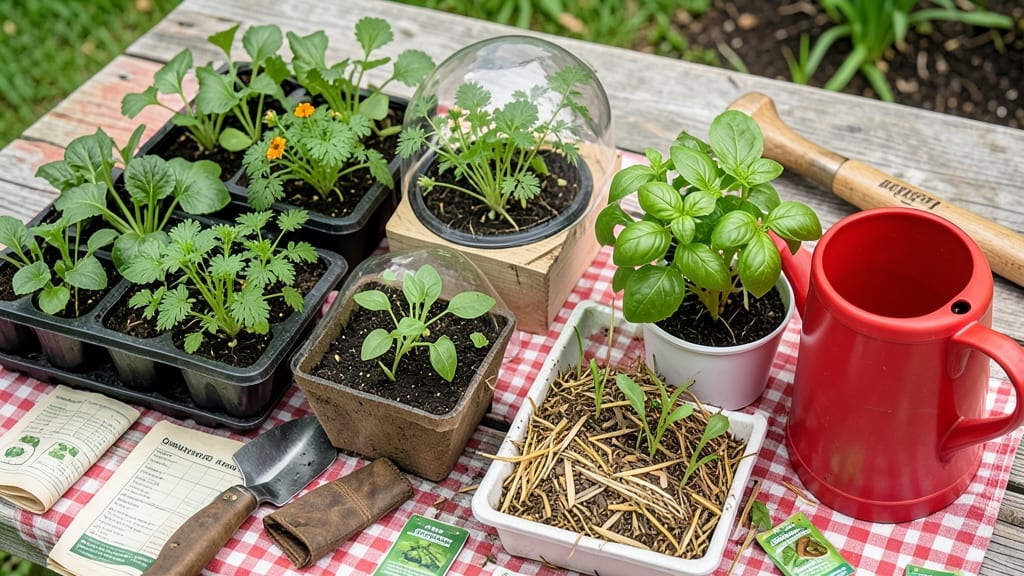
Planting your garden in Oregon at the right time means the difference between a bountiful harvest and a sad, wilted disappointment.
Oregon’s diverse climate—from coastal fog to high-desert warmth—means your garden’s success hinges on planting at the perfect time.
Get the wrong timing, and frost or heat can ruin your hard work before harvest. Whether you’re growing cool-season crops like kale or warm-season favorites like tomatoes, knowing when to start seeds indoors or set plants outdoors is the key to a thriving garden.
In this guide, I’ll break down the best planting windows by region, from the Willamette Valley to Eastern Oregon, so you can avoid common mistakes and maximize your garden’s potential.
Oregon’s frost-free dates by region: when to plant cool vs warm-season crops
Oregon’s frost-free dates vary dramatically across its three distinct climate zones: coastal, Willamette Valley, and high desert. These dates determine whether you’ll plant cool-season crops like lettuce in early spring or wait for warm-season crops like tomatoes until after the last frost.
Getting this timing right means the difference between a thriving garden and a frost-killed harvest.
For coastal Oregon (e.g., Astoria, Cannon Beach), the average last frost date is around April 15–May 1. In the Willamette Valley (Portland, Eugene), it’s typically May 1–15, while the high desert (Bend, La Grande) sees its last frost as early as April 1–15.
These variations mean your planting schedule should shift based on where you live—even within the same county.
Here’s how these dates translate into actionable planting windows for your vegetable garden.
Cool-season crops like spinach, peas, and kale can often go in the ground 4–6 weeks before your last frost date, while warm-season crops like tomatoes, peppers, and basil need to wait until 2 weeks after the last frost to avoid damage.
Microclimates add another layer of complexity. A south-facing slope might warm up faster than a shady valley bottom, allowing you to plant warm-season crops a week or two earlier.
Urban areas like Portland can also experience heat islands, where temperatures rise faster than in rural areas, giving you a slightly extended growing season.
Coastal gardeners should plan for longer cool seasons and shorter growing windows, while high-desert gardeners enjoy earlier starts but may face intense summer heat. The Willamette Valley offers a balanced climate, making it ideal for both cool and warm-season crops with careful timing.
| Region | Last Frost Date | Cool-Season Planting Window | Warm-Season Planting Window | Example Crops |
|---|---|---|---|---|
| Coastal (Astoria, Cannon Beach) | April 15–May 1 | March 1–April 15 | May 15–June 1 | Lettuce, peas, spinach, tomatoes, peppers |
| Willamette Valley (Portland, Eugene) | May 1–15 | March 15–April 30 | May 15–June 10 | Kale, carrots, cucumbers, basil, beans |
| High Desert (Bend, La Grande) | April 1–15 | February 15–March 30 | April 15–May 1 | Spinach, radishes, tomatoes, peppers, squash |
If you’re planting cool-season crops like broccoli or cabbage, start seeds indoors 8–10 weeks before your last frost date or sow directly 4–6 weeks out. For warm-season crops, begin seeds indoors 6–8 weeks before the last frost or transplant seedlings 2 weeks after the frost has passed.
For coastal gardeners, successional planting is key—sow lettuce or radishes every 2–3 weeks from March through May to stretch your harvest.
In the high desert, focus on fast-maturing varieties to avoid the intense summer heat, while the Willamette Valley offers the most flexibility for both early and late crops.
Don’t forget to use row covers or cold frames to extend your cool-season growing window or protect tender seedlings from late frosts. In my Portland garden, I’ve used row covers to plant spinach in early February and still harvested by April—something I wouldn’t have attempted without them!
Finally, keep an eye on weather forecasts and local gardening groups for real-time updates on frost risks. While these dates are averages, Oregon’s unpredictable weather means flexibility is key.
Adjust your planting schedule based on actual soil temperatures (use a soil thermometer!) and microclimate conditions to give your garden the best chance of success.
Best planting schedule for Oregon gardens: month-by-month guide for vegetables, herbs, and flowers
Timing is everything in Oregon gardens, where coastal fog can delay spring and high-desert summers arrive early. My month-by-month schedule aligns with Oregon’s USDA Zones 7-9, helping you avoid frost damage to tender seedlings and maximize harvests.
Whether you’re growing cool-season kale or heat-loving tomatoes, this guide keeps your garden thriving year-round.
Start with indoor seed starting in late winter for vegetables like peppers and basil, then transition to outdoor planting as soil warms. Use row covers to extend seasons—coastal gardeners can plant spinach in September**, while inland areas might wait until April.
Let’s break it down by month for your Oregon garden’s success.
🌱 Oregon Planting Timeline by Month
- February-March: Start tomatoes, peppers, and basil indoors under grow lights. Direct-sow onion sets and peas outdoors if soil isn’t frozen.
- April: Transplant cool-season crops (lettuce, spinach) outdoors. Begin hardening off seedlings. Plant potatoes and carrots directly.
- May: Sow warm-season crops (beans, cucumbers) after last frost (typically mid-May in Willamette Valley). Use row covers for coastal areas.
- June-July: Plant fall vegetables (kale, broccoli) for harvest. Succession plant bush beans and zucchini every 2 weeks.
- August-September: Direct-sow cool-season crops (spinach, radishes) for fall harvest. Extend season with cold frames.
- October-November: Plant garlic and cover crops (clover, vetch) to protect soil. Harvest remaining perennials and herbs.
For coastal Oregon, delay planting until 2-4 weeks later than inland areas due to cooler temperatures. In high-desert regions, start warm-season crops 3-4 weeks earlier—soil warms faster. Always check soil temperature (aim for 40°F+ for cool crops, 60°F+ for warm crops) before planting.
Extend your growing season with row covers and cold frames. These tools let you plant spinach in September or lettuce in October without frost damage. For example, a floating row cover can add 4-6°F protection, while a cold frame can keep roots 10°F warmer than ambient air.
Don’t forget successional planting! For fast-growing crops like radishes or lettuce, sow new seeds every 2-3 weeks to ensure a continuous harvest. This works especially well for bush beans and zucchini, which produce heavily for short periods. Plan your garden layout to maximize space for multiple plantings.
By following this schedule, you’ll avoid common Oregon gardening pitfalls like late spring frosts or early summer heatwaves. Adjust based on your microclimate—sheltered spots may warm up faster than open areas. Happy planting! 🌱🌿