Planting
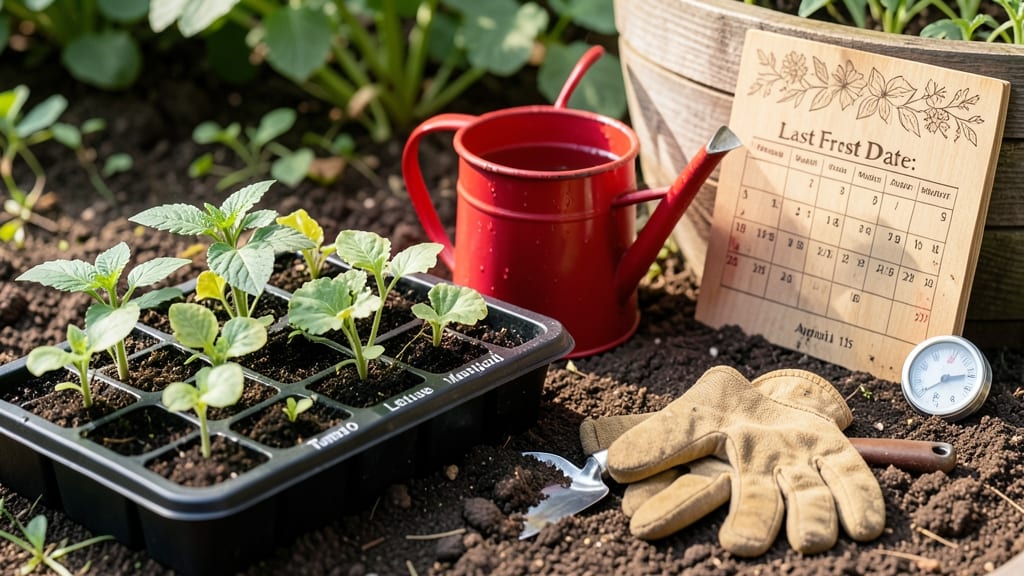
Planting your garden in Pennsylvania at the right time means the difference between a thriving harvest and a season of disappointment — especially with frost dates that shift from March in the south to May in the north.
Timing your garden planting in Pennsylvania can mean the difference between a bountiful harvest and wasted effort—especially with the state’s unpredictable frost patterns and diverse growing zones. One week too early, and a late frost can wipe out tender seedlings.
One week too late, and your tomatoes never set fruit. Getting it right is the key to a garden that feeds you all summer.
Most Pennsylvania gardeners wait until after the average last frost date—around April 15 in central zones like Pittsburgh, but as late as May 1 in the Poconos.
But that’s just the starting line. The real strategy? Adjusting for your specific microclimate, whether you’re in a city heat sink or a valley where cold air pools.
In this guide, I’ll break down the exact planting windows for your zone, from cool-season greens in March to fall crops like kale that thrive in September’s crisp air.
You’ll also learn how to stretch your season with row covers and when to ignore the calendar entirely—because sometimes, the soil is ready before the almanac says so.
Pennsylvania frost dates by USDA growing Zone: when to start planting vegetables
Pennsylvania’s diverse USDA growing zones (4a–7a) create unique challenges for gardeners. Knowing your last spring frost and first fall frost dates helps you avoid frost damage to tender plants while maximizing your growing season.
In my experience, even a few days difference can mean the difference between thriving tomatoes and wilted seedlings!
For example, Zone 4a (northern PA) has a shorter frost-free season than Zone 7a (southern PA).
This means cold-hardy crops like kale and peas thrive in Zone 4a, while heat-loving okra or sweet potatoes only work in Zone 7a. Let’s break down the frost dates by zone so you can plan your planting schedule like a pro.
📌 Pro Tip: Use the Penn State Extension’s frost date maps as a starting point, but always monitor local weather forecasts. Microclimates—like urban heat islands or valley frost pockets—can shift frost dates by 1–2 weeks.
| USDA Zone | Last Spring Frost | First Fall Frost | Frost-Free Days | Cold-Hardy Crops | Heat-Sensitive Crops |
|---|---|---|---|---|---|
| Zone 4a (Poconos, Erie) | May 1–15 | September 20–October 5 | 100–120 days | Peas, kale, spinach, potatoes | Tomatoes, peppers, cucumbers (short season) |
| Zone 5a (State College, Scranton) | April 25–May 10 | October 1–15 | 120–140 days | Broccoli, cabbage, lettuce, carrots | Eggplant, basil, okra (late starts) |
| Zone 5b (Harrisburg, Lancaster) | April 15–25 | October 10–20 | 140–160 days | Onions, radishes, Swiss chard | Sweet corn, beans, zucchini |
| Zone 6a (Reading, Allentown) | April 1–15 | October 20–November 1 | 160–180 days | Brussels sprouts, beets, garlic | Peppers, tomatoes, melons |
| Zone 6b (Pittsburgh, Wilkes-Barre) | March 25–April 10 | October 25–November 5 | 180–200 days | Spinach, peas, cabbage | Okra, sweet potatoes, basil |
| Zone 7a (Philadelphia, Baltimore) | March 15–April 1 | November 1–15 | 200–220 days |
Best monthly planting schedule for Pennsylvania gardens: what to sow each monthPennsylvania’s diverse climate zones mean your planting schedule should shift from cool-season crops in spring to heat-loving plants in summer, then back to frost-tolerant varieties in fall. By following this month-by-month guide, you’ll maximize your harvest while avoiding frost damage or wasted effort. I’ve tailored this schedule to PA’s USDA Zones 5b–7a, where last frost dates range from mid-March in southern PA to early May in the Poconos. Start with cold-hardy crops like peas, spinach, and kale in early spring, then transition to tomatoes, peppers, and basil once soil warms. Don’t forget succession planting—sowing new seeds every 2–3 weeks for continuous production. For example, I plant lettuce every 10 days in May and June to ensure a steady supply. Fall planting is just as critical, with broccoli, carrots, and radishes thriving in cooler temperatures before winter sets in.
1
March: Plant peas, spinach, and onions as soon as soil is workable (around 40°F). Use row covers for extra frost protection.
2
April: Sow lettuce, radishes, and carrots once nighttime temps stay above 35°F. Start tomato and pepper seeds indoors 6–8 weeks before last frost.
3
May: Transplant tomatoes, peppers, and basil after last frost (mid-April in south PA, early May in north). Plant beans, cucumbers, and squash directly in warm soil.
4
June–July: Sow succession crops like bush beans, zucchini, and Swiss chard every 2 weeks. Harvest early crops (lettuce, radishes) to make room.
5
August: Plant fall broccoli, kale, and spinach for a late-season harvest. Direct-sow radishes and turnips for quick yields before frost.
6
September–October: Extend the season with cold frames or row covers. Plant garlic and hardy greens for spring harvests.
For warm-season crops like tomatoes and peppers, I always check soil temperatures—60°F or warmer is ideal for germination. If your spring is slow to warm, use black plastic mulch to raise soil temps faster. In fall, focus on fast-maturing varieties (e.g., ‘Early Wonder’ peas) to harvest before the first frost, which can hit as early as October 1 in northern PA. Pro tip: Keep a gardening journal to track your planting dates and adjust for your specific microclimate. For example, urban areas like Philadelphia often warm up faster than rural Poconos, so I plant my first tomatoes 2 weeks earlier in the city. Succession planting is key—by staggering lettuce every 10 days in June, I ensure fresh salads all summer long. Don’t overlook perennials and herbs! Plant asparagus crowns in early spring and strawberries in fall for long-term rewards. For herbs like parsley and cilantro, sow seeds directly in March and August—they bolt in summer’s heat. With this schedule, you’ll enjoy homegrown produce from March through October, even in PA’s unpredictable climate. |