
Planting
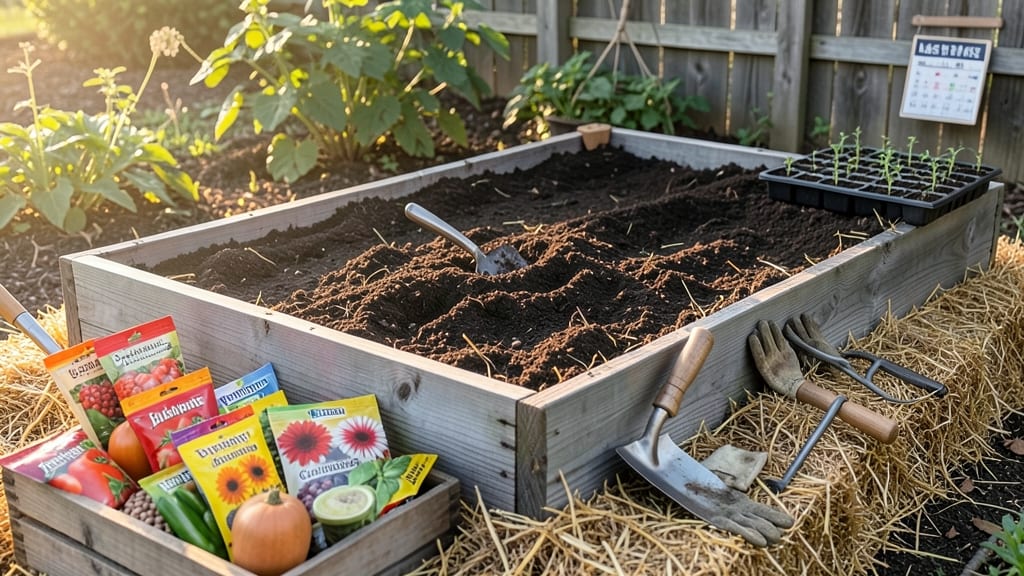
Planting your garden in Tennessee at the right time means the difference between a thriving harvest and a wasted season — and the exact window depends on whether you're in the Smoky Mountains or the Memphis Delta.
Tennessee’s diverse climate—from the Smoky Mountains to the Memphis Delta—means your planting schedule depends on more than just the calendar.
Cool-season crops like lettuce and peas can go in the ground as early as February in West Tennessee, while East Tennessee’s later frost dates push that start back to March.
Here’s the breakdown of frost-free dates, ideal planting windows, and pro tips to stretch your growing season—so you can finally get that garden working for you.
Tennessee frost-free dates by region: when to start planting
Tennessee’s three distinct climate zones—East, Middle, and West—create wildly different planting schedules. The last spring frost can arrive as early as March in West Tennessee or as late as May in the Appalachian highlands.
Understanding these dates helps you avoid frost damage while maximizing your growing season. Whether you're planting cool-season greens or heat-loving tomatoes, timing is everything.
Most Tennessee gardeners rely on USDA Hardiness Zones 6b–8a, but microclimates—like valleys or urban heat islands—can shift your frost-free window by weeks. For example, Nashville (Zone 7a) typically sees its last frost around April 15, while Chattanooga (Zone 7b) might wait until April 30.
First fall frosts also vary, with West Tennessee freezing by October 15 and East Tennessee as late as November 15.
Use this region-specific guide to align your planting with Tennessee’s climate. Start cool-season crops like broccoli and peas 4–6 weeks before your last frost, while warm-season plants like peppers and squash need soil temperatures above 60°F.
Below, compare frost dates, planting windows, and USDA zone adjustments for each region.
| Region | USDA Zone | Last Spring Frost | First Fall Frost | Cool-Season Planting Window | Warm-Season Planting Window |
|---|---|---|---|---|---|
| East Tennessee (e.g., Knoxville, Johnson City) | 6b–7a | April 20–May 5 | October 20–November 15 | March 15–April 15 | May 15–June 15 |
| Middle Tennessee (e.g., Nashville, Murfreesboro) | 7a–7b | April 1–April 15 | October 10–October 25 | February 28–April 1 | April 20–May 10 |
| West Tennessee (e.g., Memphis, Jackson) | 7b–8a | March 15–April 1 | October 5–October 15 | February 15–March 15 | March 20–April 10 |
In East Tennessee’s cooler zones (6b–7a), gardeners can start spinach and lettuce as early as late February under row covers, but tomatoes and peppers won’t thrive until after May 15.
The Appalachian Mountains add another layer of complexity—high-elevation gardens (e.g., Gatlinburg) may experience late May frosts, delaying warm-season planting by weeks. Always check local weather trends for the past 5 years to refine your schedule.
For Middle Tennessee (7a–7b), like Nashville’s urban gardens, the heat island effect can push last frosts 1–2 weeks later than rural areas. This means early April might be safe for cold-hardy crops like kale and radishes, while eggplants should wait until mid-May.
Use soil thermometers to confirm 60°F+ for warm-season starters like squash and cucumbers.
West Tennessee’s longer growing season (Zone 7b–8a) lets gardeners in Memphis and Jackson plant tomatoes and peppers as early as March 20—but watch for late spring freezes. Fall crops like broccoli and carrots can thrive until November 1**, extending harvests well into autumn. If you’re in this region, consider succession planting every 2–3 weeks
Tennessee’s three distinct climate zones mean your planting schedule should align with soil temperatures and frost dates. For warm-season crops like tomatoes and peppers, wait until soil reaches 60°F+, while cool-season greens like spinach thrive in 40-60°F soil. Here’s my month-by-month guide to keep your garden productive year-round. Start spring planting in March for cool-season crops like lettuce and kale, then transition to warm-season plants in May after last frost. For fall harvests, sow broccoli and carrots in August, and plant zinnias or marigolds as late as September for autumn blooms. For continuous harvests, practice succession planting. For example, sow bush beans every 2 weeks from May to July, or replant cilantro every 3 weeks in spring and fall. This ensures fresh greens or herbs even when the first batch bolts. Herbs like basil and cilantro need consistent moisture but hate soggy soil. Plant them in well-draining soil and mulch to retain moisture. Zinnias and marigolds thrive in poor soil and can even improve soil health by repelling pests. Always check local frost dates—West Tennessee’s last frost is typically March 15, while East Tennessee may see frost until April 15. Adjust planting times accordingly, and don’t forget to harden off seedlings before transplanting to avoid shock. With this schedule, you’ll enjoy tomatoes in July, zinnias blooming all summer, and fresh cilantro until October**. Happy gardening! 🌱Best planting schedule for Tennessee gardens by crop type
Crop Type
Best Planting Months
Soil Temp (°F)
Sunlight Needs
Succession Tip
Tomatoes
May–June
60°F+
Full sun (6+ hrs)
Sow every 2 weeks
Peppers
April–May
65°F+
Full sun (6+ hrs)
Transplant seedlings
Lettuce
March, Aug–Sept
40–60°F
Partial shade
Harvest outer leaves
Marigolds
April–Sept
55°F+
Full sun (5+ hrs)
Deadhead blooms
Basil
May–June
60°F+
Full sun (6+ hrs)
Pinch stems