Planting
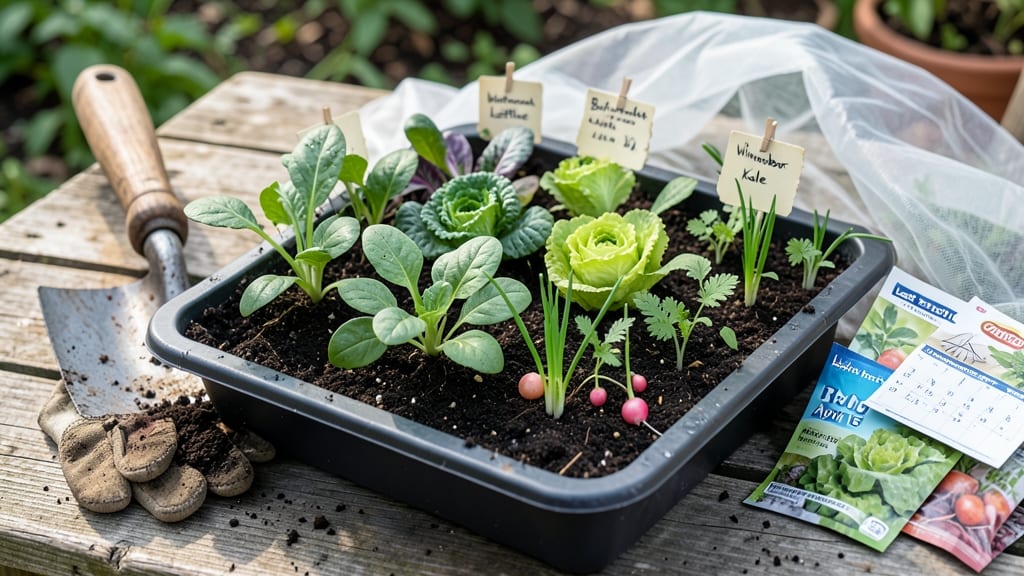
Planting a garden in Upstate NY at the right time means the difference between a bountiful harvest and wasted seeds—so timing is everything.
Upstate New York’s unpredictable frosts and microclimates can turn a gardener’s dream into a risky gamble unless you plant at the perfect time. Missing these windows could mean stunted veggies, wasted seeds, or even total crop failure.
With USDA Zones 5b-6b and frost dates that shift yearly, knowing when to plant isn’t just about the calendar—it’s about reading your local microclimate. Whether you’re in Albany, Syracuse, or near the Adirondacks, the right timing ensures your 🌱 General Garden Plants thrive.
Below, I break down the exact weeks before/after your last frost, the best crops for Upstate NY’s short season, and how to adjust for elevation or lake effects. By the end, you’ll have a zone-specific planting plan that maximizes your harvest.
Upstate NY planting dates by hardiness Zone (exact weeks before/after last frost)
Upstate New York spans USDA hardiness zones 4b through 6a, where frost dates vary dramatically between cities like Albany and Buffalo. The key to success? Planting 3-4 weeks before or after your average last frost date—with a 30-day buffer for safety.
I’ve broken down exact windows for cold-hardy crops (like kale and peas) versus warm-season plants (tomatoes, peppers) based on regional data from Cornell Cooperative Extension.
For Zone 4b (common in the Adirondacks and higher elevations), aim to plant cold-hardy crops 4-6 weeks before last frost—typically mid-April to early May.
In Zone 5a (Syracuse, Utica), shift to late April to mid-May, while Zone 6a (Rochester, Buffalo) allows early May to early June for warm crops. Always check your local frost history—a late frost in May can wipe out tender seedlings overnight.
Here’s your city-specific planting timeline with exact weeks before/after last frost, including 30-day safety buffers for Upstate NY’s unpredictable weather:
| City/Zone | Avg. Last Frost | Cold-Hardy Crops (Peas, Kale, Spinach) | Warm-Season Crops (Tomatoes, Peppers, Cucumbers) | Frost-Sensitive (Basil, Squash, Melons) |
|---|---|---|---|---|
| Albany (Zone 5b) | May 5 | 4-6 weeks before (Apr 5-15) | 2-3 weeks after (May 20-30) | 3-4 weeks after (Jun 5-15) |
| Syracuse (Zone 5a) | May 10 | 4-5 weeks before (Apr 10-20) | 2-4 weeks after (May 25-Jun 5) | 4 weeks after (Jun 10-20) |
| Rochester (Zone 6a) | May 15 | 3-5 weeks before (Apr 15-May 5) | 1-3 weeks after (May 25-Jun 10) | 3-5 weeks after (Jun 15-30) |
| Buffalo (Zone 6a) | May 10 | 3-4 weeks before (Apr 20-May 5) | 2-3 weeks after (May 25-Jun 5) | 4 weeks after (Jun 10-20) |
For cold-hardy crops, start seeds indoors 6-8 weeks before last frost (early March for Zone 4b, late March for Zone 6a). Peas and spinach can handle light frosts, while kale and broccoli thrive in cool soil.
Use row covers to extend early planting by 2-3 weeks if nights dip below 32°F (0°C).
Warm-season plants like tomatoes and peppers need soil temps above 50°F (10°C). Wait until 2-4 weeks after last frost—or use black plastic mulch to warm soil faster. Basil and squash are frost-sensitive; plant them only after Memorial Day in most of Upstate NY.
Pro tip: Test soil warmth with a soil thermometer—60°F (15°C) is ideal for tomatoes.
Fall planting is just as critical! Cool-season crops like kale, radishes, and lettuce can be sown 6-8 weeks before first frost (late July to early August).
In Zone 6a, you can even plant garlic in October for next summer’s harvest. Always use row covers to protect tender greens from early frosts.
Remember: Microclimates matter. A <
How to adjust planting times for Upstate NY’s microclimates (and avoid common mistakes)
Upstate New York’s diverse microclimates mean your neighbor’s planting schedule might not work for you. A valley in Zone 5 can have 2 weeks earlier last frosts than a hillside in the Adirondacks, while urban heat islands in Syracuse can push warm-season crops 10 days ahead of rural areas.
Ignoring these differences risks frost damage or stunted growth. The key is understanding how elevation, water bodies, and urban heat shift your local growing season.
Lakes like Lake Erie and Lake Champlain create moderating effects—cooler summers and warmer winters near their shores. Meanwhile, urban areas (e.g., Buffalo or Rochester) can be 5–10°F warmer than surrounding farmland, allowing earlier planting of heat-loving crops like peppers or tomatoes.
Even a 100-foot elevation change can delay frost by 1–2 weeks in mountainous regions like the Catskills. Without adjustments, you might plant zucchini too early in a frost-prone valley or spinach too late in a warm microclimate.
- 📍 Extend cool-season crops by 2–3 weeks in Zone 5 pockets (e.g., kale, spinach, peas) if your area has warmer microclimates like urban heat islands.
- 🌡️ Delay warm crops (e.g., tomatoes, peppers) by 1–2 weeks in high-elevation areas (e.g., Adirondacks, Catskills) where soil warms slower.
- 💧 Plant near lakes/rivers? Shift warm-season starts 10 days earlier—cooler nights extend the growing season.
- ❄️ Avoid planting frost-sensitive crops (e.g., cucumbers, squash) until after May 15 in valleys or Zone 4b areas.
- 🌡️ Use soil thermometers—warm crops need 60°F+ soil; cool crops thrive at 40–50°F. Adjust planting dates based on actual soil temps, not air temps.
One of the biggest mistakes is assuming average frost dates apply to your yard. For example, Albany’s last frost is typically April 20, but a low-lying area in Schenectady might see frost 2 weeks later.
Similarly, Rochester’s urban heat island lets gardeners plant tomatoes by May 1, while nearby Geneva (cooler due to Lake Ontario influence) waits until May 15. Always check local frost records from sources like the Cornell Cooperative Extension and add a 10–14 day buffer for safety.
Another critical error is ignoring soil warmth. Just because the air is 60°F doesn’t mean the soil is ready for warm-season crops. Use a soil thermometer to confirm 60°F+ for tomatoes or peppers—planting too early in cold soil leads to poor root growth and blossom-end rot.
For cool-season crops like lettuce or carrots, wait until soil temps drop below 70°F to avoid bolting or bitter flavors.
To fine-tune your schedule, observe your yard’s unique patterns. Track when cherry blossoms bloom (signaling last frost) or when dandelions flower (indicating soil warmth).
In Zone 5b–6a, start cool crops like spinach or peas 4–6 weeks before your average last frost, while warm crops like beans or squash should go in 2 weeks after.
For succession planting, use biodegradable pots to stagger lettuce or radish sowings every 2 weeks for continuous harvests.
If you’re unsure about your microclimate, test your yard this season. Plant a trial row of bush beans (warm-season) and radishes (cool-season) at different times and note what thrives. Adjust next year’s schedule based on your results.
With these 5 key adjustments, you’ll avoid the 3 common mistakes—planting too early, ignoring soil warmth, and overlooking local microclimates—and enjoy a bountiful, stress-free harvest.