
Planting
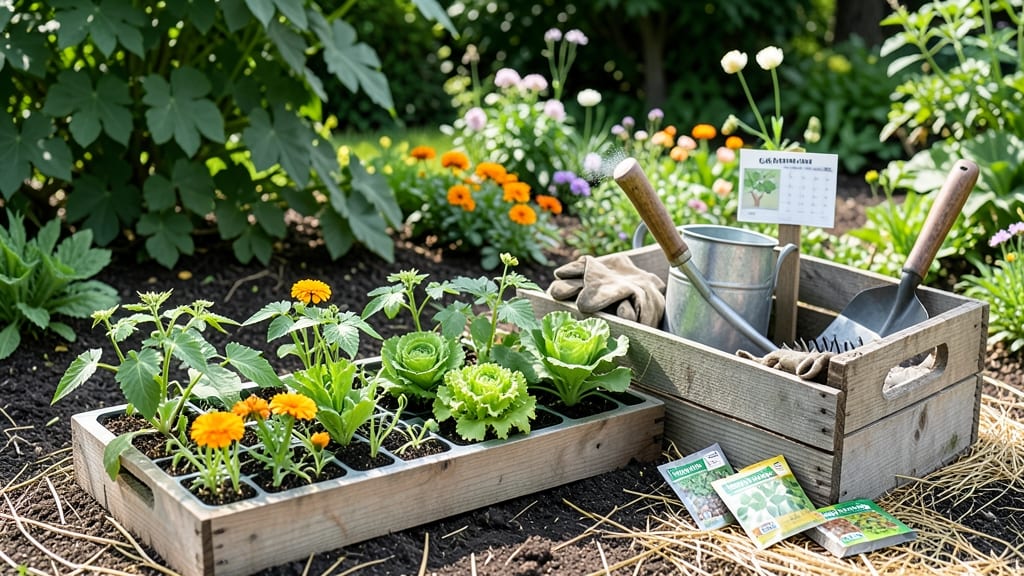
To plant a garden in WV, aim for early April for cool-season crops and late May for warm-season varieties—timing this right means the difference between a bountiful harvest and lost seeds.
West Virginia’s Zone 7b climate can be tricky, with late frosts sneaking in even after the calendar says spring. One wrong move, and you’re staring at frozen seedlings or bolted lettuce before you even break ground.
This guide breaks down the exact planting windows for vegetables, flowers, and herbs, accounting for WV’s microclimates—whether you’re in Charleston’s milder pockets or Morgantown’s cooler valleys.
You’ll learn how to adjust for unpredictable weather, pick the best low-risk crops for beginners, and avoid common mistakes that waste time and money every year.
WV Zone 7b planting calendar: exact dates for vegetables, flowers, and herbs
West Virginia’s Zone 7b climate creates a unique gardening challenge—balancing early springs with late frosts while maximizing summer heat. The average last frost date ranges from April 15-30 (earlier in southern regions like Charleston, later in the northern panhandle), while the first frost typically arrives October 15-30.
These dates determine your planting windows for cool-season crops, warm-season crops, and perennial flowers.
Timing is everything in WV gardens. Plant too early, and a surprise frost will kill tender seedlings. Wait too long, and heat-loving plants like tomatoes and peppers struggle.
This calendar uses local frost data from WV State University Extension to give you precise month-by-month planting windows tailored to Zone 7b’s microclimates. Whether you’re growing heirloom tomatoes, native wildflowers, or herbs like basil, these dates will help you avoid common mistakes.
🌱
| Category | Planting Window | Key Varieties | Notes |
|---|---|---|---|
| Cool-Season Vegetables | March 1 - April 15 August 15 - September 30 |
Lettuce, Spinach, Kale, Peas, Broccoli, Carrots | Start seeds indoors 4-6 weeks before last frost. Use row covers for early plantings. |
| Warm-Season Vegetables | April 30 - May 15 (after last frost) Transplant seedlings: May 1 - June 15 |
Tomatoes, Peppers, Eggplant, Bush Beans, Corn, Cucumbers | Soil must be at least 60°F. Use black plastic mulch to warm soil faster. |
| Herbs | March 15 - April 30 (cool-hardy) May 15 - June 15 (warm-loving) |
Parsley, Cilantro, Dill, Chives, Basil, Oregano, Thyme | Basil and oregano need warm soil. Parsley and cilantro bolt in summer—plant in fall for second crop. |
| Perennial Flowers | March 15 - April 30 (bare-root) April 15 - May 15 (container-grown) |
Coneflowers, Black-Eyed Susans, Daylilies, Lavender, Russian Sage | Native perennials like coneflowers thrive with minimal care. Mulch after planting to retain moisture. |
| Fall Planting | August 1 - September 15 (cool-season) September 15 - October 15 (hardy perennials) |
Spinach, Radishes, Kale, Swiss Chard, Pansies, Snapdragons | Extend the season with row covers. Plant radishes for quick fall harvests. |
| Succession Planting | Every 2-3 weeks (May - August) | Lettuce, Bush Beans, Carrots, Beets, Zucchini | Prevents gluts and ensures continuous harvests. Ideal for bush beans and zucchini. |
For spring planting, begin with cool-season crops like lettuce and spinach in early March, even if you need to use row covers to protect tender seedlings. By April 15, you can safely direct-sow peas and carrots.
Once the last frost date passes (typically late April), transition to warm-season crops like tomatoes and peppers. In WV’s higher elevations (e.g., near Beckley), wait until May 1 for these heat-lovers.
Summer in WV is short but intense. Focus on succession planting for crops like bush beans and zucchini every 2-3 weeks to avoid overwhelming harvests. Herbs like basil and oregano thrive in summer heat but need consistent watering.
By mid-August, start preparing for fall by sowing spinach, kale, and radishes, which tolerate cooler temperatures.
Don’t overlook perennial flowers like coneflowers and black-eyed Susans, which establish roots in early spring and bloom all summer with minimal care. These native plants are drought-tolerant and attract pollin
How to adjust planting times for WV’s unpredictable spring weather
West Virginia’s Zone 7b climate throws curveballs with late frosts and soil that warms unpredictably. I’ve learned the hard way—planting tomatoes too early in Morgantown means watching them freeze, while lettuce bolted in Charleston because I waited too long. The key is flexibility, not rigid dates.
Your first step is checking local frost dates. Charleston averages its last frost around April 15, but Morgantown can see frost as late as May 10. Use the National Weather Service or local garden clubs for updates.
I always plant cold-hardy crops like spinach 2 weeks before my expected last frost date just to be safe.
⚠️ WARNING: Late Frost Risks in WV ⚠️
Don’t Let These Mistakes Ruin Your Garden!
- Planting warm-season crops (tomatoes, peppers) before soil reaches 60°F—roots won’t establish properly.
- Ignoring microclimates: Valley gardens (like Lewisburg) warm faster than mountain areas (like Elkins).
- Skipping row covers for early plantings—one late frost can wipe out weeks of work.
Pro Tip:
Use a soil thermometer ($10 at garden centers) to confirm 50°F for cool crops and 60°F for warm crops before planting.
For cool-season crops, start seeds indoors 4-6 weeks before your last frost date. I swear by bush beans and Swiss chard—they tolerate light frosts and give you a head start.
Harden off seedlings gradually to avoid shock when transplanting. My rule of thumb: If nighttime temps dip below 40°F, cover them with frost cloth.
Warm-season crops like squash and cucumbers need to wait until after your last frost. In WV, that’s typically mid-May in the north and early May in the south.
I use black plastic mulch to warm the soil faster—it can add 2-3 weeks of growing time. Just remove it before harvest to avoid soil contamination.
Don’t forget about fall planting! Many WV gardeners get better yields from fall crops than spring ones. Start broccoli and kale in late summer (August) for harvests before winter. The longer daylight of late summer gives them time to establish before cooler temps set in.
Finally, keep a gardening journal. Note when you plant, any frost dates, and how crops perform. After 3 years, you’ll have a custom planting schedule that beats WV’s weather.
My 2023 journal showed that peppers thrive when planted by May 20 in Charleston, but need to wait until June 1 in Morgantown.