Plants
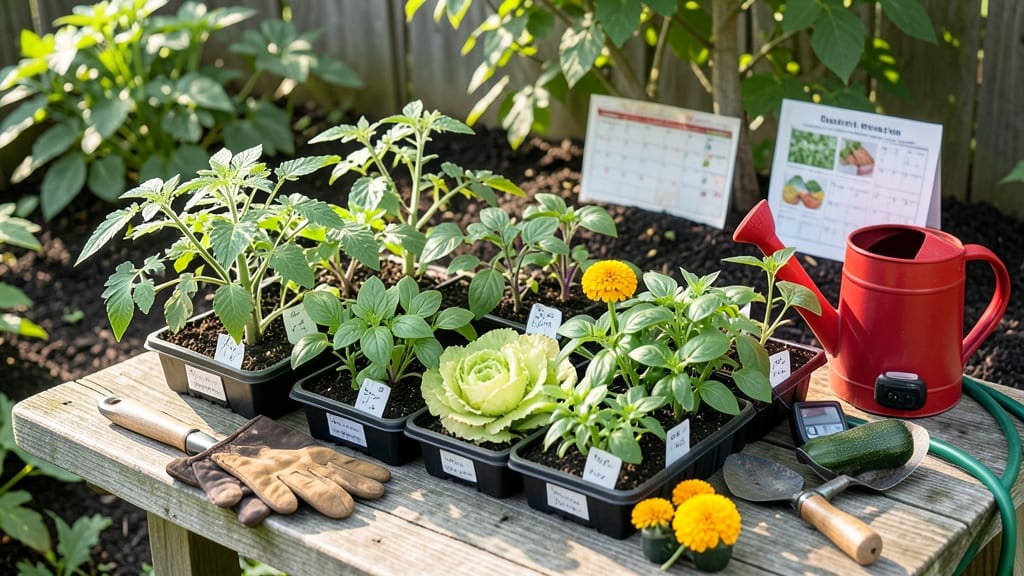
To plant garden plants at the perfect time means aligning your schedule with your USDA zone’s frost dates—because one week can mean the difference between a thriving garden and a lost season.
Timing is everything in gardening—plant too early, and frost will kill your seedlings; too late, and your harvest arrives when pests peak. The USDA Plant Hardiness Zone Map holds the key to unlocking the perfect planting schedule for your region, whether you’re in Zone 6a or beyond.
Most garden plants like spring’s mild warmth, but the exact window depends on your last frost date. In Zone 6a, that’s typically around April 15, but cooler microclimates may need a later start. Fall plantings also work—just time them 6-8 weeks before your first frost.
Below, I’ll break down the ideal months for your zone, how to adjust for unpredictable weather, and the 3 pro tips that save even experienced gardeners from common mistakes. Ready to get started?
How to use the USDA Zone map to determine planting dates
The USDA Plant Hardiness Zone Map is your gardening GPS—it pinpoints the best planting windows based on your local climate. Each zone (1-12) reflects average minimum winter temperatures, which directly impacts when you can safely plant cool-season vs. warm-season crops.
For example, Zone 5 gardeners face earlier frosts than Zone 8, so timing shifts dramatically. Start by finding your zone using the USDA interactive map (link in resources), then use frost dates as your planting anchor.
Once you know your zone, the next step is calculating frost-free dates. The last spring frost marks when you can plant warm-season crops like tomatoes and peppers, while the first fall frost determines when to harvest or protect cool-season crops like lettuce and spinach.
Local weather stations or Almanac frost calculators provide these critical dates—bookmark them! For instance, in Zone 7a, the last frost typically falls around April 15, while Zone 9b might see frost-free conditions by February 15.
Here’s how to calculate your ideal planting window for both crop types:
| Crop Type | Planting Window (After Last Frost) | Zone Examples | Key Tip |
|---|---|---|---|
| Warm-Season Crops (Tomatoes, Peppers, Cucumbers) | 2-4 weeks after last frost |
|
Soil must be 60°F+; use row covers if needed. |
| Cool-Season Crops (Lettuce, Spinach, Peas, Broccoli) | 4-6 weeks before first frost (Fall) or 2-4 weeks before last frost (Spring) |
|
Direct-sow seeds for faster harvests; avoid bolting in heat. |
| Perennials & Trees (Roses, Fruit Trees, Shrubs) | Dormant planting: Fall (6-8 weeks before frost) or early Spring (before buds swell) |
|
Amend soil with compost; water deeply after planting. |
| Herbs (Basil, Cilantro, Parsley) | Basil: 2 weeks after last frost; Cilantro: 4-6 weeks before first frost |
|
Basil bolts in heat; succession plant every 2 weeks. |
For warm-season crops, the rule is simple: wait until the soil temperature consistently stays above 50°F (10°C). Use a soil thermometer to check—cold soil stunts growth. In Zone 6, this might mean waiting until May 1, while Zone 10 gardeners can plant year-round.
Pro tip: Start seeds indoors 6-8 weeks before your last frost date for a head start on heat-loving plants like peppers.
Cool-season crops are more forgiving but require strategic timing. Plant them too early in spring, and frost will damage tender leaves; too late in fall, and they’ll bolt or taste bitter.
In Zone 4, aim for late April to early May for spring crops and August to September for fall plantings. Use row covers or cold frames to extend the season if needed. For example, spinach thrives in cool weather but wilts in summer
Best planting months by USDA Zone for common vegetables & flowers
Knowing when to plant garden plants depends heavily on your USDA hardiness zone. For example, tomatoes thrive in zones 4-10 but need different timing in each. In Zone 5, plant after last frost (mid-May), while Zone 9 gardeners can start as early as February for fall harvests.
High-altitude areas may require 2-4 weeks earlier planting due to cooler temperatures.
Flowers like marigolds are versatile, adapting to zones 2-11, but zucchini prefers zones 3-12 and needs warmer soil. Cool-season crops like lettuce (zones 2-11) should go in early spring or fall, while warm-season favorites like peppers (zones 9-12) need soil temps above 60°F.
Adjust timelines for high-altitude gardens by checking local frost dates.
🌱 Comparison Table: Planting Months by USDA Zone
| Plant | Zones 3-5 | Zones 6-8 | Zones 9-10 | High-Altitude Adjustment |
|---|---|---|---|---|
| Tomatoes | May-June (after frost) | April-May | February-March (fall) or June-July (spring) | 2-3 weeks earlier |
| Lettuce | March-April or Aug-Sept | Feb-Mar or July-Aug | Oct-Nov or Feb-Mar | 1-2 weeks earlier |
| Marigolds | April-May or Aug-Sept | March-April or July-Aug | Feb-Mar or Sept-Oct | Same timing (hardy) |
| Zucchini | May-June (soil 60°F+) | April-May | Feb-Mar (fall) or June-July (spring) | 3 weeks earlier |
For Zone 3-5, focus on cool-season crops like kale and peas in early spring. Warm-season plants like beans should wait until mid-May when soil warms.
In Zones 6-8, you can extend seasons by planting broccoli in late summer for a fall harvest, while Zones 9-10 enjoy year-round planting with double cropping opportunities.
High-altitude gardens (e.g., Denver, CO or Salt Lake City, UT) often experience shorter growing seasons. Adjust planting by 2-4 weeks earlier for warm-season crops and use row covers to protect seedlings. Cold-hardy flowers like pansies (zones 3-11) thrive in these areas with minimal adjustments.
Pro tip: Use a soil thermometer to confirm 60°F+ soil temps for warm-season plants. In Zone 7, for example, this might mean waiting until late April instead of early April. Always check your local frost dates—they can vary 1-2 weeks from USDA averages.
Experiment with successive planting to maximize yields. In Zone 8, sow bush beans every 2 weeks from April to June for a continuous harvest. 🌿