Plants
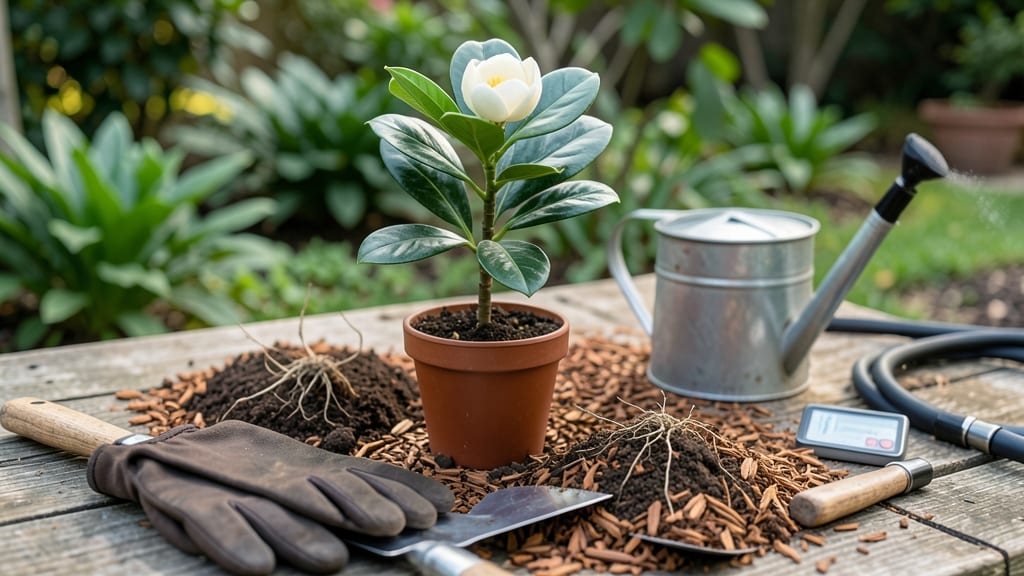
Plant gardenias in Georgia between March and April, after the last frost has passed and soil temperatures rise above 60°F—this timing unlocks the sweet fragrance and lush blooms 🌸 that make them worth the wait.
Georgia’s humid climate creates the perfect conditions for gardenias—but timing your planting wrong can mean struggling for years to see those iconic white blooms. Get the wrong start, and you’ll miss the sweet fragrance entirely.
Why does this matter? Gardenias thrive in Georgia’s 7b-8b zones, but they’re picky about soil warmth and frost-free days. Plant too early, and a late freeze will shock the roots; too late, and summer heat will stress young plants before they establish.
Below, I’ll break down the best months for your region, soil prep secrets, and how to give your gardenia the best start—so you’re smelling those blooms by summer, not waiting another year.
Optimal planting months for gardenias in Georgia’s climate zones
Georgia’s humid subtropical climate makes it a dream for growing fragrant gardenias, but timing matters more than you might think. In USDA zones 7a-8b, the difference between a thriving shrub and a struggling one often comes down to when you plant.
Coastal areas like Savannah (zone 8a) have longer frost-free seasons, while inland Atlanta (zone 7b) faces earlier cold snaps—both require different approaches.
Most gardeners in Georgia aim to plant between mid-March and mid-April, but container planting offers flexibility. The key is avoiding late winter frosts (typically after March 15) while giving roots time to establish before summer heat arrives.
Let’s break down the best times for both in-ground and container planting across Georgia’s zones.
🌱 Did You Know? Gardenias planted in February in zone 8b (coastal) may succeed, but the same timing in zone 7a (north Georgia) risks frost damage. Always check your local last frost date—it’s your planting deadline.
| USDA Zone | Best In-Ground Months | Best Container Months | Soil Temp Requirement | Key Consideration |
|---|---|---|---|---|
| 7a (North GA) | Mid-April to early May | Late March (protected) | 60°F+ consistently | Wait for last frost (avg. March 25) |
| 7b (Central GA) | Early April to mid-April | Late March | 55°F+ minimum | Avoid April frosts (rare but possible) |
| 8a (South GA/Coast) | February to March | January (protected) | 50°F+ minimum | Cooler winters allow earlier planting |
| 8b (Coastal GA) | January to February | December (protected) | 45°F+ minimum | Mild winters enable year-round container planting |
🌿 Pro Tip: Use mulch (3-4 inches) to protect roots from temperature swings in early spring.
For in-ground planting, aim to get gardenias in the soil 4-6 weeks before your area’s last frost date. This gives roots time to establish before summer’s intense heat. In zone 7a, that means waiting until mid-April—planting earlier risks frost damage to tender new growth.
Container planting offers more flexibility, especially in cooler zones (7a-7b). You can start as early as late February if you protect pots with burlap wraps or move them indoors during cold snaps. Coastal gardeners in zone 8b can even plant in January with proper insulation.
One common mistake? Planting gardenias too late in spring (after May). While they’ll survive, they may struggle to establish roots before summer’s heat sets in. Late-spring plantings often result in smaller blooms the first year—so don’t wait!
Georgia’s humidity and heat also mean gardenias planted in containers dry out faster than in-ground plants. If you’re growing in pots, choose terracotta containers (they breathe better) and water daily during summer. In-ground plants, however, benefit from mulch rings to retain moisture.
💧 Watering Tip: After planting, give gardenias a deep soak (1-2 gallons per plant) to encourage root growth. Then, keep soil consistently moist but never soggy—this is critical for first-year survival.
Finally, remember that acidic soil (pH 5.0-6.0) is non-negotiable for gardenias. If your Georgia soil tests higher, amend with sulfur or peat moss before planting. The right timing + proper soil prep = fragrant blooms by summer!
Signs your gardenia planting timing is perfect (or terrible)
Planting gardenias in Georgia at the wrong time can leave your shrubs struggling to establish roots before summer heat sets in. The key is watching for environmental cues that signal when conditions are just right—or when you’ve planted too early or late.
Georgia’s humid subtropical climate means timing matters more than in drier regions.
Ideal planting occurs when soil temperatures consistently stay above 60°F (15°C) at a depth of 2-3 inches. This usually happens in late March to early April across most of Georgia, but coastal areas like Savannah can plant slightly earlier due to milder winters.
The goal? Let roots establish before summer’s intense heat arrives.
Soil Temperature Consistently Above 60°F
Use a soil thermometer to confirm. Cold soil (below 55°F) slows root growth and increases disease risk.
Frost-Free Forecast for 2 Weeks
Check the National Weather Service for your area. Gardenias cannot tolerate frost—even young plants will suffer damage.
Humidity Levels Above 50%
Georgia’s natural humidity helps, but dry spells (common in spring) can stress young plants. Water deeply if humidity drops below 40%.
Rainfall Predicted Within 7 Days
A light rain after planting helps settle soil around roots. If no rain is forecast, water thoroughly within 48 hours of planting.
RED FLAG: Planting Before Last Frost
If gardenias are planted before March 15 in most of Georgia, frost can kill tender new growth. Wait until all risk of frost has passed.
RED FLAG: Planting After June 1
Summer heat (90°F+) stresses young plants. If you miss spring, opt for container planting to control soil temperature.
If you’ve planted too early, watch for yellowing leaves or stunted growth—signs of cold stress. For late plantings, provide afternoon shade with a temporary shade cloth to protect young foliage. Mulch heavily with pine straw or wood chips to retain moisture and regulate soil temperature.
Pro tip: Gardenias thrive in acidic soil (pH 5.0-6.0). Test your soil before planting—if it’s alkaline, amend with sulfur or peat moss to create the ideal environment. A pH test kit costs under $10 and saves years of struggling with poor growth.
Once planted at the right time, your gardenias will reward you with fragrant blooms by mid-summer. The key is patience—give roots 6-8 weeks to establish before expecting full vigor. With Georgia’s climate on your side, you’ll enjoy those iconic white flowers for years to come.