Planting
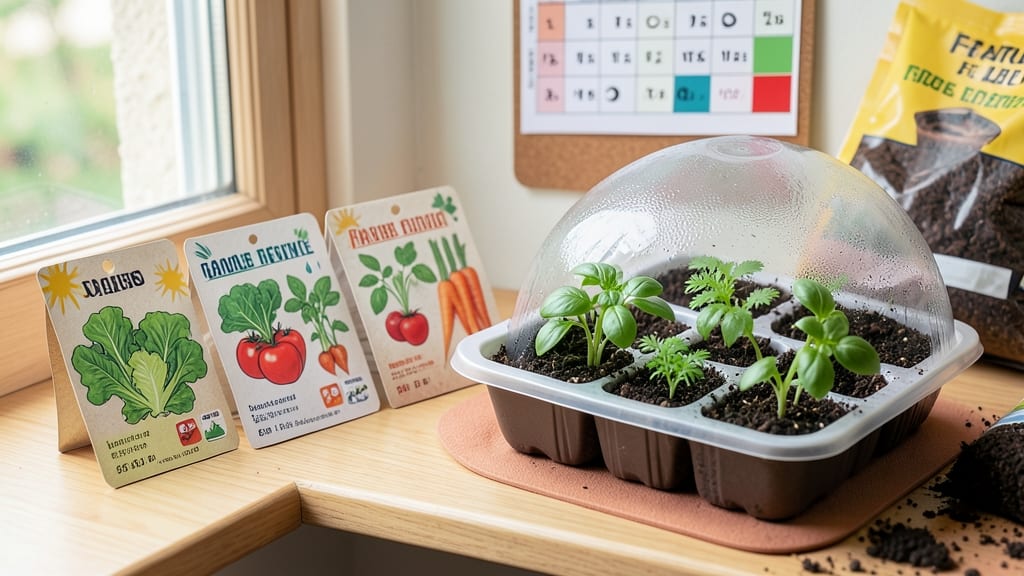
Planting seeds in your garden at the right time means the difference between fast sprouts and weeks of waiting.
Timing your seed planting by soil temperature—not just calendar dates—can mean the difference between thriving seedlings and weeks of waiting for sprouts. Learn the science-backed triggers that maximize germination speed and plant health.
In Zone 6a, like many gardeners, you might think spring is the only window—but fall offers a second chance for cool-season crops like spinach and peas. The key? Waiting for soil to warm to 60°F for warm-season plants or staying below 70°F for cool-season varieties.
Below, I’ll break down the exact soil temps for your favorite seeds, how to test them without fancy tools, and 5 proven tricks to speed up germination when Mother Nature gets cold feet.
Soil temperature guidelines for planting seeds by crop type
Understanding soil temperature is the secret to unlocking faster germination and stronger seedlings. Unlike air temperature, soil warmth triggers seeds to break dormancy and sprout consistently. For example, cool-season crops like peas and lettuce thrive in chilly soil, while warm-season crops like tomatoes and peppers demand heat to germinate.
Even tropical plants like bananas and citrus have specific temperature thresholds. Let’s break down the ideal ranges for each category so you can time your planting perfectly.
Most seed packets list minimum soil temperatures for germination, but regional adjustments are key. In USDA Zone 6a, for instance, soil may warm up 2-3 weeks later than in Zone 8. Always test your soil’s warmth before planting—especially in spring when mornings are still cool but afternoons heat up.
A simple soil thermometer (or even your finger!) can save you from waiting weeks for sprouts that may never come.
Here’s a quick reference for cool-season crops, which germinate best in 45°F to 65°F soil.
These hardy plants often tolerate light frosts, making them ideal for early spring or late fall sowing. Peas and spinach can even sprout in 40°F soil, while lettuce prefers the 50°F to 60°F range.
Planting too early in cold soil risks rot or stunted growth, but these crops reward patience with fast harvests.
Warm-season crops like tomatoes, peppers, and cucumbers demand 60°F to 90°F soil to germinate reliably. Tomatoes, for example, need at least 70°F soil for consistent sprouting, while cucumbers thrive in 75°F to 85°F. In cooler climates, use heat mats or wait until late spring when soil temperatures stabilize. These crops also benefit from black plastic mulch, which warms the soil by 5°F to 10°F faster than bare earth.