
Planting
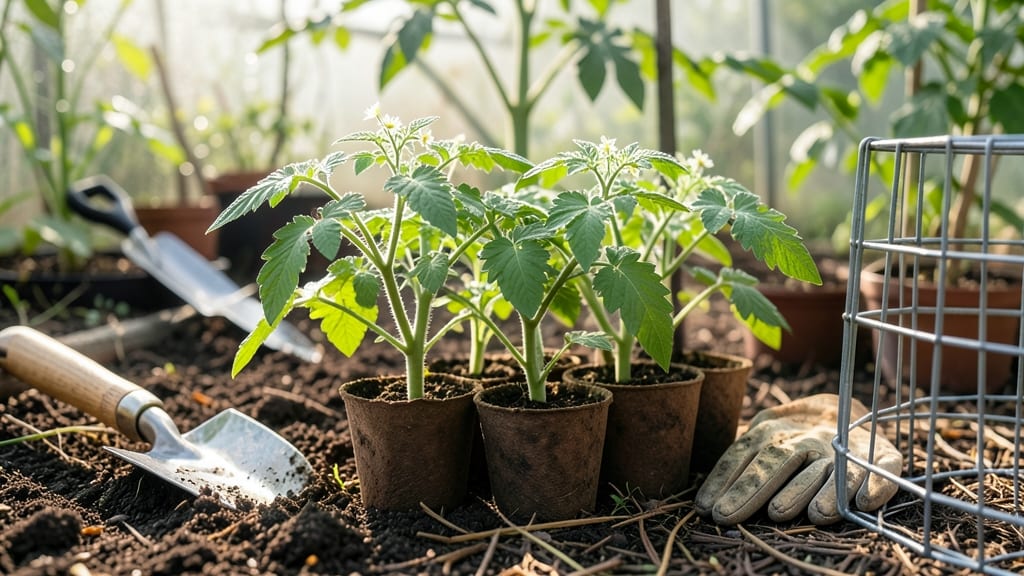
Planting tomato seedlings in the garden at the right time means the difference between a thriving 🍅 harvest and a season of disappointment.
Timing your tomato seedlings perfectly can mean the difference between a bountiful harvest and wasted effort—getting the soil temperature wrong by even a few degrees can stunt growth or invite disease.
In USDA Zone 6a, where most gardeners face a last frost around mid-April, the real secret isn’t just waiting for the calendar to flip to May. It’s about soil warmth—your seedlings need the ground to hit at least 60°F before they go in.
Below, I’ll walk you through how to check your soil, adjust for your exact region, and avoid the three biggest mistakes that send seedlings into shock—so you can finally get those plants in the ground without the guesswork.
Ideal soil temperature for planting tomato seedlings (with exact degree guidelines)
Getting your tomato seedlings into the ground at the right time isn't just about waiting for frost to pass—it's about soil temperature. Cold soil can shock delicate roots, while soil that's too warm may stress young plants.
The magic number for optimal root growth starts at 50°F (10°C), but transplanting thrives when soil hits 60°F (15°C) or warmer.
Why does temperature matter so much? Tomato roots struggle below 50°F (10°C), which slows nutrient uptake and makes plants vulnerable to damping-off disease. Warmer soil—above 60°F (15°C)5°F (3°C) difference can mean the difference between a thriving plant and one that lingers.
Here’s the key: Test your soil before planting. A soil thermometer is the gold standard, but if you don’t have one, the finger test works in a pinch. Push your finger 2-3 inches deep—if the soil feels cool to the touch (like a chilled soda can), it’s not ready.
If it’s warm (like body temperature), you’re in the sweet spot.
Regional differences play a huge role. In USDA Zone 5, soil may not warm up until late May or early June, while Zone 8 gardeners can plant as early as mid-March. Always check your local last frost date and add 4-6 weeks to account for soil warming.
For container-grown tomatoes, soil warms faster, but roots still need consistency. Use a thermometer to monitor temperatures, especially if your pots sit on concrete or pavement, which can cool soil overnight. Mulching with straw or black plastic helps retain heat during the day and insulate roots at night.
Pro tip: If your soil is too cold but frost risk has passed, try row covers or a mini greenhouse to accelerate warming. These create a microclimate that can raise soil temps by 5-10°F (3-6°C) in just a few days.
Now, let’s break down the exact temperature guidelines for each stage of planting and growth:
If you’re planting in early spring and soil temps are still below 50°F (10°C), consider using black plastic mulch or straw bales to warm the soil faster. These materials absorb sunlight and radiate heat back into the soil, often raising temperatures by 5-10°F (3-6°C) within a week.
One common mistake is relying solely on air temperature rather than soil temperature. A sunny 70°F (21°C) day can hide 50°F (10°C) soil, especially in early spring. Always check soil temps in the morning (before the sun heats it up) to get an accurate reading.
For heirloom varieties or slow-growing seedlings, aim for soil temps of 65°F (18°C) or higher. These plants are more sensitive to temperature fluctuations and benefit from the extra warmth to establish strong root systems quickly.
Remember, consistency is key. Soil temps that swing between 45°F (7°C) and 75°F (24°C) in a single day can
How to calculate your last frost date and adjust planting timing by region
Determining your last frost date is the first step to planting tomato seedlings successfully. This critical date varies dramatically across the U.S., from early March in Florida to late May in Minnesota. Without knowing it, you risk transplanting too early and losing tender seedlings to frost damage.
Start by checking the USDA Plant Hardiness Zone Map for your location. Each zone has average frost dates, but local microclimates—like valleys or urban heat islands—can shift these by weeks.
For example, a Zone 7 gardener in Atlanta might see frost in early March, while one in the mountains could face it until mid-April.
Next, use free tools like the National Oceanic and Atmospheric Administration (NOAA) frost calculator or local agricultural extension services. These provide historical frost data for your ZIP code, giving you a reliable baseline.
For instance, if your area’s average last frost is May 10, aim to plant tomato seedlings 2–4 weeks after that date to ensure roots establish before summer heat arrives.
⚠️ callout warning ⚠️
Even after your last frost date, unexpected cold snaps can occur. In Zone 5, late frosts in May are common—wait until soil stays above 55°F for 5+ days. For tomato seedlings, use frost cloths or plant in containers to move indoors if nighttime temps drop below 50°F. Never plant tomatoes before your region’s frost-free window—they’ll bolt or die!
Adjust your planting window based on your tomato variety. Early maturing types (like 'Early Girl') can tolerate cooler soils and shorter seasons, while heirlooms (like 'Brandywine') need longer, warmer conditions.
For example, in Zone 8, you might plant early varieties in late February under row covers, but heirlooms should wait until mid-April.
Monitor weekly weather forecasts in the weeks leading up to your target date. If a cold front is predicted, delay planting or use protective measures like black plastic mulch to warm the soil faster.
In Zone 9, where frost is rare, focus on avoiding summer heat stress by planting in partial shade during peak afternoons.
Finally, test your soil temperature with a soil thermometer—tomato seedlings need 60°F+ soil to thrive. In Zone 4, this might mean waiting until early June, while Zone 10 gardeners can start in January. Always plant 4–6 weeks after your last frost to balance risk and reward.