How To
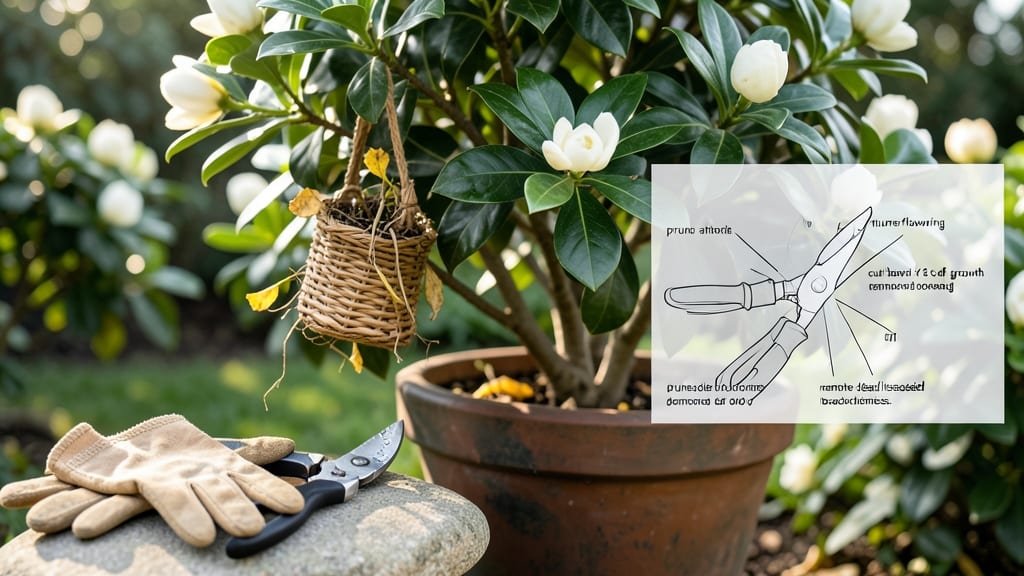
To trim gardenia bushes for the best blooms, time your cuts just after flowering but before new growth begins — a window that varies wildly by your climate zone.
Picture this: you’ve spent months waiting for those fragrant 🌸 gardenia blooms, only to realize that a single mis-timed trim could leave your shrub bare for next season. The key isn’t just when you cut, but how your local frost dates and heat waves shift that ideal window.
In colder regions like USDA Zone 6, prune in late winter or early spring before buds swell. Warmer zones (8-10) can trim right after blooms fade in summer, but wait too long and you risk leggy growth with fewer flowers.
Below, I’ll break down the exact timing by zone, plus the tools and techniques to shape your gardenia without stressing it — so you can enjoy year-round fragrance instead of a sad, sparse shrub.
Best pruning times for gardenia bushes by USDA climate zone
Timing your gardenia pruning correctly ensures abundant blooms and a healthy shrub. These fragrant plants thrive when pruned at the right time, but the optimal window shifts based on your USDA climate zone.
In cooler zones (7-8), late winter or early spring is ideal, while warmer zones (9-11) benefit from post-bloom trimming. Misjudging the timing can stunt flower production or stress the plant.
Gardenia bushes bloom on new wood, meaning late-season cuts encourage next year’s flowers. However, over-pruning too late can remove budding flower stems before they open. The key is to prune after flowering in warm climates or before new growth in cooler areas.
Let’s break down the perfect pruning schedule for each zone to maximize those iconic white blooms.
| USDA Zone | Best Pruning Time | Key Visual Cues | What to Avoid |
|---|---|---|---|
| 7-8 (Temperate) | Late February–March (before buds swell) | Dormant branches, no green tips | Pruning after first blooms appear |
| 9-10 (Warm) | June–July (after flowering) | Wilted blooms, fresh green leaves | Heavy cuts in winter months |
| 11 (Tropical) | Year-round (light pruning after blooms) | 3-4 blooms per stem | Removing more than 1/3 of foliage |
In USDA zones 7-8, where winters are mild but chilly, your gardenia enters dormancy. This is the perfect time to prune—between late February and March, before new growth appears.
Look for dormant branches with no green tips; these are ready for thinning cuts. Avoid pruning after first blooms appear, as you’ll remove next year’s flower buds.
For zones 9-10, where winters are mild or nonexistent, gardenias bloom year-round or in spring/summer. The ideal pruning window is June or July, right after major blooming cycles.
Wait until wilted flowers drop and new green leaves emerge. This timing ensures you’re encouraging new wood for future blooms without stressing the plant.
In USDA zone 11, gardenias can bloom multiple times per year. Here, light pruning is key—trim spent blooms and overgrown branches year-round, but focus on post-bloom maintenance.
Never remove more than 1/3 of foliage at once, as this can shock the plant and reduce flowering. Aim for 3-4 blooms per stem as your visual cue.
Regardless of your climate zone, always use sterilized pruners to avoid disease spread. Make cuts just above a leaf node at a 45-degree angle to promote faster healing.
Remove dead or crossing branches first, then thin out crowded areas for better airflow. This two-step approach keeps your gardenia healthy and bushy.
After pruning, feed your gardenia with an acidic fertilizer (like 8-3-9) to support new growth. Water deeply but avoid soaking the roots, as gardenias hate soggy soil.
Mulch around the base with pine bark to maintain acidic soil conditions and retain moisture. These post-pruning steps set the stage for next year’s spectacular blooms.
Pro tip: Mark your calendar based on your zone’s last frost date. For zones 7-8, set a reminder for late February; for zones 9-11, note June or July after blooms fade. Consistency in pruning timing is the secret to lush gardenias year after year.
If you live in a transition zone (like zone 8b), blend both approaches: light pruning in late winter to shape the plant, then post-bloom trimming in summer. This two-phase method works well for unpredictable climates where frost risks linger into spring.
Remember, gardenia pruning is about balance. Too much too soon stunts blooms, while neglecting pruning leads to overgrown, leggy plants. By following your zone’s schedule and watching for visual cues, you’ll keep your gardenia thriving and fragrant for seasons to come.
How to prune gardenia bushes for more blooms (step-by-step)
Pruning your gardenia bushes correctly is the key to unlocking abundant, fragrant blooms year after year. These evergreen shrubs thrive when you shape them properly—but timing and technique make all the difference.
Unlike many plants, gardenias bloom on old wood, so pruning too aggressively or at the wrong time can reduce next season’s flowers. Let’s break down the exact steps to prune for maximum blooms without harming your plant.
First, gather your pruning tools: a pair of sterilized bypass pruners for clean cuts, sharp pruning shears for thicker branches, and a small saw if you’re dealing with woody stems. Disinfect your tools with rubbing alcohol to prevent spreading bacterial or fungal diseases.
Gardenias also respond well to hand pruning—snapping smaller branches by hand avoids tearing the bark. Start by removing dead, diseased, or crossing branches first, as these can stress the plant and reduce flowering potential.
⚠️ callout-warning
Gardenias bloom on old wood, meaning their flowers form on last year’s growth. Pruning after mid-summer (July-August) removes next year’s flower buds, drastically cutting back blooms. Never prune when buds are already forming—wait until late winter or early spring (just before new growth starts) for USDA Zones 7-9. In warmer climates (Zones 10-11), prune right after flowering (late spring) to avoid summer heat stress.
Pro Tip: Look for swollen buds or new leaf growth—these signal it’s too late to prune for next year’s blooms.
Next, focus on shaping your gardenia to encourage airflow and sunlight penetration. Aim to reduce height by no more than 25% in a single pruning session—this prevents shocking the plant and allows it to recover quickly.
Cut just above a leaf node (the bump where leaves grow) at a 45-degree angle to promote faster healing. Avoid topping the plant (cutting the top flat), as this encourages weak, leggy growth and fewer blooms. Instead, prune selectively to maintain a rounded, bushy shape.
For overgrown gardenias, you can do a gradual reset over 2-3 years to avoid stress. In Year 1, remove 1/3 of the oldest wood (thick, woody stems) to rejuvenate growth. In Year 2, focus on thinning out crowded branches to improve airflow.
By Year 3, you’ll have a vibrant, blooming shrub with a balanced structure. Always prune in stages if your gardenia is large or mature—this gives the plant time to adapt and recover.
After pruning, monitor your gardenia closely for the first 2-3 weeks. You may notice new growth sprout from the pruned areas—this is a good sign! However, if the plant wilts or drops leaves, it’s a sign of pruning shock.
To help it recover, water deeply (1-1.5 gallons) and avoid fertilizing for 4-6 weeks. Once new growth appears, you can resume light feeding with an acidic, balanced fertilizer (like 10-10-10) to support bloom production.
Finally, protect your gardenia from pests and diseases post-pruning. Remove all pruned debris from the area to prevent fungal growth, and mulch around the base with pine bark or compost to maintain moisture and acidity.
If you notice yellowing leaves or sticky residue (a sign of aphids or scale), treat with neem oil or insecticidal soap. With the right pruning technique and aftercare, your gardenia will thank you with a spectacular display of blooms next season.