
Fertilization
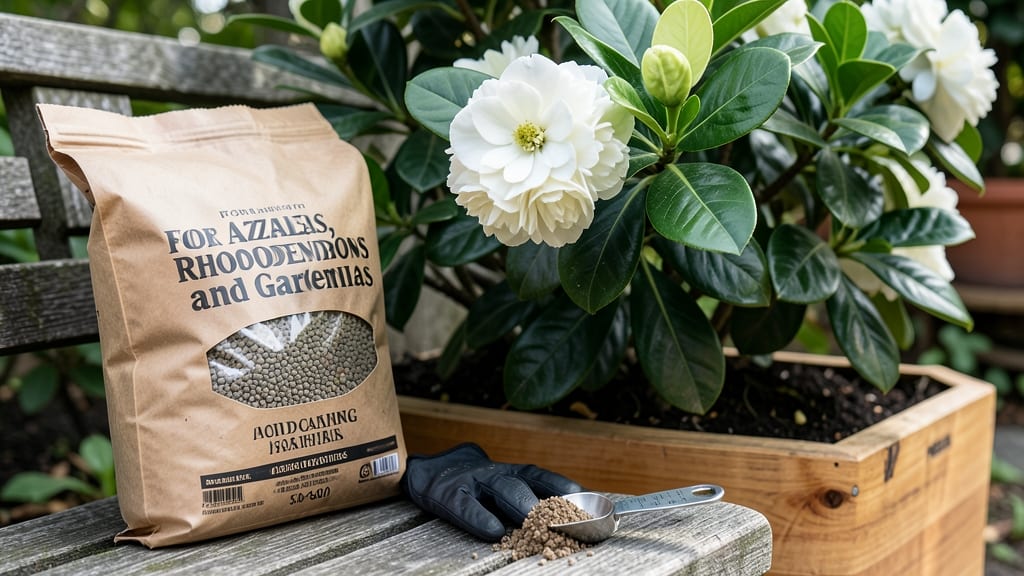
Using acid fertilizer for gardenias is the key to unlocking their signature fragrance and lush blooms 🌸 — and skipping it means missing out on the full potential of these showstopper shrubs.
Struggling to keep your gardenias blooming year after year? The secret lies in their soil pH—and acid fertilizer is the game-changer your plants need to thrive.
These finicky beauties crave soil between pH 4.5 and 5.5, which is why generic fertilizers leave them yellowing and sparse. The right acid blend—whether sulfur-based, iron sulfate, or organic options like pine bark—makes all the difference.
Below, I’ll walk you through how to choose the perfect fertilizer, apply it safely, and spot signs your gardenias are finally getting the care they deserve.
How acid fertilizer adjusts soil pH for optimal gardenia growth
Your gardenias might look healthy, but if they’re not blooming like they should, the issue could be hiding in the soil. Gardenias thrive in acidic soil with a pH range of 4.5 to 5.5.
When soil becomes too alkaline (above 6.0), nutrients like iron and manganese become unavailable, causing yellowing leaves and sparse flowers. Acid fertilizer is the key to unlocking their full potential by lowering pH and making essential nutrients accessible.
At its core, acid fertilizer works by releasing hydrogen ions into the soil, which lowers the pH. Common acidifiers like iron sulfate, sulfur, and peat moss break down over time, creating a slow-release acidic environment.
Unlike quick fixes, these fertilizers gradually adjust pH, giving gardenias the stable conditions they need to absorb nutrients efficiently. Think of it as fine-tuning your plant’s diet—too much or too little can disrupt their growth.
Why pH matters for gardenias: A pH above 6.0 triggers nutrient lockout, especially for iron and phosphorus, which are critical for blooming. Without proper acidity, gardenias may produce fewer flowers or develop yellow leaves (a classic sign of chlorosis). Testing your soil’s pH with a simple kit (available at garden centers) is the first step to diagnosing the issue before applying acid fertilizer.
🌸
| Soil pH Factor | Effect on Gardenias | Solution |
|---|---|---|
| Ideal pH Range | 4.5–5.5 (optimal for blooms) | Use acid fertilizer to maintain range |
| pH Below 4.0 | Toxic to roots, stunts growth | Add lime to raise pH gradually |
| pH Above 6.0 | Yellow leaves, poor blooming | Apply sulfur or iron sulfate |
| Iron Sulfate | Lowers pH fast, adds iron | Apply 1 lb per 100 sq ft annually |
| Peat Moss | Slow-release acidity, improves drainage | Mix 2–3 inches into soil |
One of the most effective acid fertilizers for gardenias is iron sulfate, which not only lowers pH but also supplies iron—a nutrient gardenias crave. Sprinkle it around the root zone in early spring and fall, then water it in.
For a more organic approach, peat moss or pine bark works wonders by slowly releasing acidity while improving soil structure. These amendments are especially useful if your gardenias are planted in raised beds or containers, where pH can drift quickly.
Signs your gardenias need acid fertilizer include yellowing leaves (especially between veins), stunted growth, or fewer blooms than usual. These symptoms often point to iron deficiency, which thrives in alkaline soil.
Before reaching for fertilizer, conduct a soil pH test—kits cost under $10 and take minutes. If your soil tests above 6.0, start with a half-dose of acid fertilizer and retest in 3–4 weeks to avoid over-acidification.
Over-acidifying soil is a common mistake that can harm gardenias just as much as alkaline conditions. Too much sulfur or iron sulfate can create a pH below 4.0, making nutrients toxic. To prevent this, always follow package instructions and water thoroughly after application to help distribute the fertilizer evenly.
If you’re unsure, start with a mild organic acidifier like cottonseed meal, which is gentler and safer for long-term use.
🌿
Seasonal adjustments are key to maintaining the right pH. In spring and early summer, when gardenias are actively growing, apply acid fertilizer every 6–8 weeks to support blooming. In fall, reduce applications as growth slows, and avoid fertilizing in winter entirely.
This seasonal approach mimics natural conditions and prevents nutrient buildup, which can stress your plants. Think of it like a well-balanced diet—consistent but not excessive.
For potted gardenias, acid fertilizer needs extra attention because containers dry out faster and pH shifts occur more quickly. Use a balanced acid fertilizer (like a 10-5-10 formula) and repot every 2–3 years with fresh, acidic potting mix.
If you notice white mineral deposits on the soil surface, it’s a sign of over-fertilization—flush the pot with water immediately to restore balance.
🪴
Best acid fertilizers for gardenias: organic vs synthetic options
Gardenias thrive when their soil stays in the acidic range (4.5-5.5 pH). Choosing the right acid fertilizer can mean the difference between luxuriant blooms and stunted growth. Let’s break down the top options—organic and synthetic—to help you pick the best fit for your gardenia care routine.
Organic fertilizers like cottonseed meal and pine bark fines slowly release nutrients, improving soil structure over time. Synthetic options such as Miracle-Gro Azalea/Camellia provide quick results but may require more frequent applications. Both have unique benefits depending on your gardening goals.
Organic vs. Synthetic Acid Fertilizers for Gardenias
Organic Options
- Pros: Slow-release, improves soil, eco-friendly
- Cons: Requires patience, less immediate results
Synthetic Options
- Pros: Fast-acting, precise nutrient delivery
- Cons: Risk of over-fertilization, may harm soil
Top Picks: Espoma Garden-Tone (organic), Miracle-Gro Azalea/Camellia (synthetic)
Espoma Garden-Tone is a standout organic choice, blending peat moss, sulfur, and composted plant materials to gradually lower soil pH while feeding your gardenias. Apply it twice a year (spring and fall) at a rate of 1/2 cup per plant. Its slow-release formula means fewer applications but consistent results.
For faster results, Miracle-Gro Azalea/Camellia delivers quick nutrient uptake with a balanced NPK ratio (12-4-6). Use it every 4-6 weeks during the growing season, following the label’s instructions for dilution. This synthetic option is ideal if you need immediate blooms or are dealing with nutrient-deficient soil.
If you’re eco-conscious, cottonseed meal is another excellent organic option. It’s high in nitrogen and sulfur, which help acidify soil while feeding plants. Sprinkle 1/4 cup per plant in early spring and again after blooming. Just be cautious—too much can over-acidify the soil, so test your pH regularly.
Cost-wise, organic options like Espoma Garden-Tone or cottonseed meal may require a larger upfront investment but save money long-term by improving soil health. Synthetic fertilizers like Miracle-Gro are more affordable per application but may cost more over time due to frequent use.
Choose based on your gardening goals: organic for sustainable soil health or synthetic for quick, vibrant blooms. Either way, your gardenias will thank you with fragrant, lush flowers all season long! 🌸