Fertilization
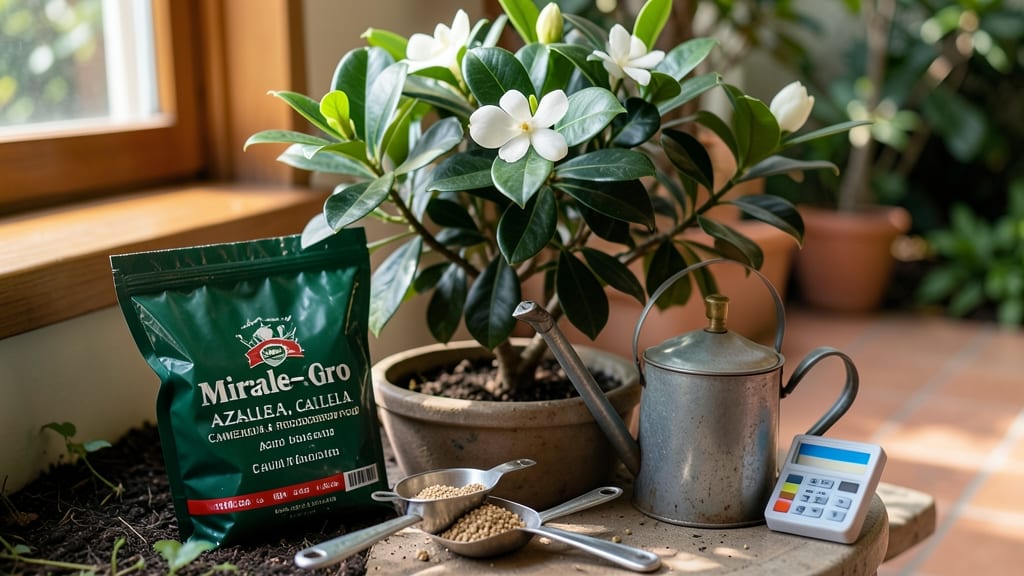
Your potted gardenias need acidic fertilizer to thrive and bloom 🌸—without the right balance, you’ll end up with yellow leaves or sparse flowers, no matter how much you water.
Struggling to keep your potted gardenias blooming year after year? The secret lies in understanding their acidic soil needs—and the right fertilizer schedule can transform your plant from struggling to stunning.
Most gardeners overlook the pH-sensitive nature of gardenias, assuming any fertilizer will work. But potted plants deplete nutrients faster, and the wrong blend can burn roots or stunt growth.
Below, I break down the best acid-loving fertilizers, how often to feed them, and the simple signs that tell you when you’re overdoing (or underdoing) it.
Best acid-loving fertilizers for potted gardenias (and how to choose)
Potted gardenias (🌸) demand acidic soil and nutrient-rich feeding to thrive. Unlike many plants, they reject alkaline fertilizers, which can stunt growth and prevent blooming. The right fertilizer ensures vibrant foliage and fragrant flowers year after year.
For containers, slow-release options minimize nutrient runoff, while liquid feeds provide quick fixes for deficiencies.
Gardenias need a balanced NPK ratio (like 6-6-6 or 8-3-9) with extra micronutrients, especially iron and magnesium. Organic options like fish emulsion or cottonseed meal feed roots gradually, while synthetic granules offer precise control. Always check pH—aim for 5.0-6.5—and flush pots occasionally to avoid salt buildup.
Comparison Table: Best Fertilizers for Potted Gardenias
For potted gardenias, slow-release granules like Osmocote are my top pick—they minimize runoff and feed roots steadily. However, if your plant shows yellow leaves (a sign of iron deficiency), switch to a chelated iron liquid feed for faster results. Always water thoroughly after fertilizing to prevent root burn.
Micronutrients like zinc and manganese are critical for gardenias. Look for acid-loving plant formulas labeled for azaleas or camellias, which share similar needs. Avoid high-salt fertilizers—they damage roots in containers where drainage is limited. Flush pots with water every 3 months to remove excess salts.
Step-by-step acidic fertilizing schedule for maximum blooms
Potted gardenias thrive when fed with an acidic fertilizer schedule tailored to their blooming cycles. Unlike in-ground plants, containers deplete nutrients faster, so precision feeding is key. I’ve perfected a monthly calendar that balances growth and flowering while avoiding common potting pitfalls like salt buildup or root burn.
Your gardenia’s blooms depend on consistent feeding during active growth (spring through early fall) and a complete rest in winter. The trick? Using a slow-release acidic fertilizer (like 6-6-6 or 8-3-9) paired with liquid feeds for micronutrients.
Let’s break it down step by step to ensure your plant stays lush and fragrant all season.
🌱 Monthly Acidic Fertilizing Schedule for Potted Gardenias
- 1 March (Early Spring): Light Feed – Apply ½ tsp slow-release acidic fertilizer (or ¼ diluted liquid) to stimulate root growth. Avoid heavy feeding—this is wake-up time for your plant!
- 2 April & May (Bloom Prep): Full Feed – Switch to 1 tbsp slow-release fertilizer per 6-inch pot (or 1 tsp liquid fertilizer diluted to ½ strength). Focus on iron and magnesium to prevent yellowing leaves.
- 3 June & July (Peak Blooming): Every 4 Weeks – Feed with liquid acidic fertilizer (diluted to ¼ strength) to support continuous blooms. Water thoroughly after feeding to prevent salt buildup in the soil.
- 4 August (Late Summer): Light Feed – Reduce to ½ strength liquid fertilizer or skip if buds aren’t forming. Overfeeding now can delay fall dormancy.
- 5 September (Pre-Dormancy): Skip – No fertilizer! Let your gardenia harden off naturally. Focus on watering and removing spent blooms to prep for winter.
- 6 October–February (Dormancy): None – Your gardenia is resting! Resume feeding in early March when you see new growth. Never fertilize a dormant plant—it’s a fast track to root burn.
Pro Tip: Always water your gardenia before fertilizing to protect roots from salt shock. 💧
Watch for signs of over-fertilization like crispy leaf edges or yellowing between veins—this means you’re overdoing it! Conversely, pale leaves or stunted blooms signal underwatering or nutrient deficiency. Adjust your schedule accordingly, and your gardenia will reward you with glossy foliage and fragrant blooms year after year.
For potted gardenias, I also recommend flushing the soil every 6 months with water to remove excess salts. This simple step keeps your plant thriving in its confined space. Pair this schedule with morning watering and partial shade, and you’ll have a showstopper on your patio! 🌸