
Tools
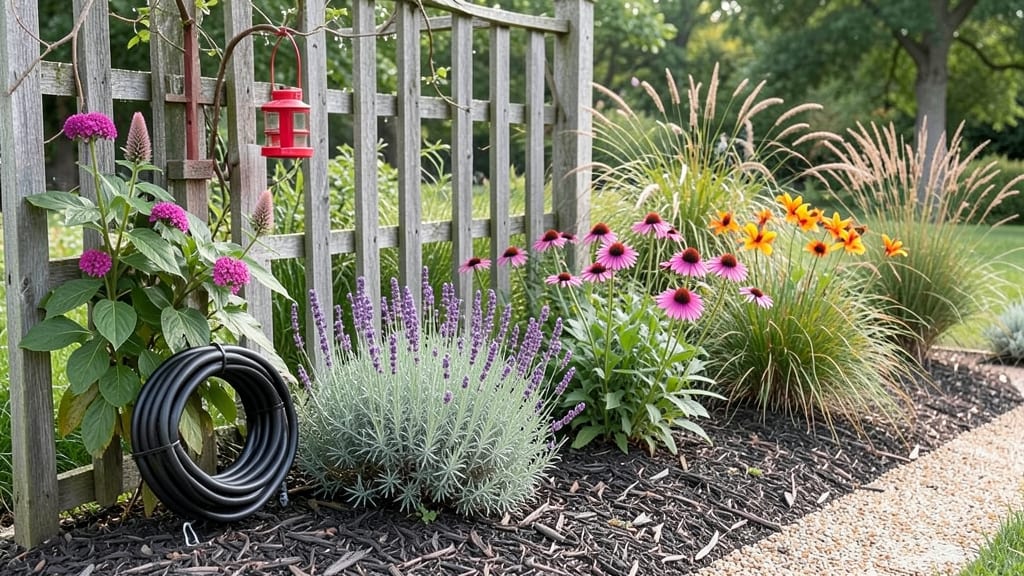
Finding the best place for a garden starts with sunlight, soil, and space—three factors that can make or break your green thumb’s success.
Struggling to choose the perfect spot? The right location can mean the difference between lush, thriving plants and struggling seedlings. Whether you’re working with a sprawling backyard or a tiny urban balcony, the ideal spot balances practicality with nature’s advantages.
Sunlight exposure is the most critical factor—most plants need at least 6 hours of direct light daily. But soil quality and drainage play close seconds. A shady corner might work for ferns, while a sunny patch is essential for tomatoes or herbs.
Below, I’ll break down how to assess your yard, avoid common mistakes, and pick the spot that turns your garden dreams into a thriving reality—no matter your space or soil.
How sunlight exposure determines your garden’s success
Sunlight isn’t just light—it’s the lifeblood of your garden. The right sunlight exposure can turn struggling seedlings into thriving plants, while the wrong spot leaves you with wilted leaves and poor yields.
Whether you’re growing tomatoes or hostas, understanding your yard’s light patterns is the first step to a high-yield garden.
Most gardeners assume all plants need full sun, but that’s a myth. Vegetable patches like peppers and eggplants crave 6-8 hours of direct sunlight, while shade-loving plants like ferns and astilbes thrive with just 2-4 hours.
Even flowering beds can suffer if placed in the wrong light—too much sun scorches petunias, while too little stunts impatiens.
To find your garden’s sweet spot, start by mapping your yard’s sunlight patterns. Use a sunlight tracker or observe how shadows move throughout the day. Note where the sun hits at 10 AM, noon, and 4 PM—these are your peak sunlight hours for placement decisions.
Here’s how different plant types respond to sunlight, so you can match them to the perfect spot in your yard:
| Plant Type | Sunlight Needs | Best For | Examples |
|---|---|---|---|
| Full Sun | 6-8+ hours | Vegetables, perennials, herbs | Tomatoes, peppers, lavender, roses |
| Partial Sun | 3-6 hours | Flowering plants, shrubs | Coneflowers, daylilies, boxwood |
| Partial Shade | 2-4 hours | Shade-tolerant perennials | Hostas, astilbes, ferns, impatiens |
| Full Shade | 0-2 hours | Woodland plants, ferns | Hellebores, lungwort, caladiums |
Your vegetable patch should always claim the sunniest spot—even if it’s just a small corner. Leafy greens like lettuce and spinach can handle partial shade, but fruiting plants like tomatoes and cucumbers will bolt or produce poorly without enough light.
For a high-yield harvest, prioritize south-facing areas in the Northern Hemisphere (or north-facing in the Southern Hemisphere).
Don’t overlook microclimates—small areas with unique light conditions. A spot next to a brick wall gets 2-3 extra hours of sun due to reflected heat, while a shady nook under a tree might never see direct light.
Use these natural advantages to create diverse growing zones. For example, place heat-sensitive herbs like basil in partial shade near your house, while sun-loving marigolds thrive in the open.
If your yard lacks ideal sunlight, consider reflective surfaces like white gravel or light-colored mulch to bounce extra light onto shady areas. For container gardens, rotate pots weekly to ensure even growth.
And remember: morning sun is gentler than afternoon heat, making it ideal for tender plants like petunias or geraniums.
Pro tip: Test your spot before planting. Place a sun calculator or use a free app to track light exposure for a week. Adjust your garden layout based on real data—not guesswork. Your plants will thank you with vibrant blooms and bountiful harvests all season long.
Once you’ve mapped your sunlight, the next step is choosing the best soil and space for your plants. But for now, let the sun guide your garden’s foundation—because the right light is the secret to a thriving green space.
Top 5 locations for a garden based on space and soil quality
Not every yard offers the perfect garden spot, but with the right approach, you can transform even tricky spaces into thriving green areas. Whether you have a sprawling backyard or a tiny balcony, the key lies in matching your space constraints with soil quality and sunlight access.
Let’s explore the top 5 locations that work for different gardeners—each with its own advantages and soil prep tips to maximize success.
Your backyard corner is often the gold standard for gardens, offering ample space and natural sunlight. However, not all corners are created equal—some may have poor drainage or compacted soil. The trick is to test your soil’s pH and amend it with compost or aged manure to improve fertility.
If your corner gets 6+ hours of sunlight, it’s prime for vegetables like tomatoes or herbs like basil.
Raised beds are a game-changer for gardeners with poor soil or limited mobility. They allow you to control the soil mix entirely, blending equal parts topsoil, compost, and perlite for perfect drainage. Plus, they warm up faster in spring, giving you an earlier start. Just ensure your bed gets at least 4-6 hours of sunlight—ideal for leafy greens like kale or lettuce.
If space is ultra-limited, container gardens on balconies or patios are your best bet. Use lightweight pots with drainage holes and a well-draining potting mix. Herbs like thyme or parsley thrive here, even in partial shade. Just rotate containers weekly to ensure even sunlight exposure—critical for balanced growth.
Urban balconies may seem restrictive, but with creative solutions like vertical gardening, you can grow surprisingly large yields. Test your balcony’s sunlight with a sunlight tracker for a few days—most herbs and compact veggies need just 3-4 hours of light.
Use self-watering containers to simplify care in tight spaces.
Don’t overlook sloped terrain—it can actually be an advantage! Terracing or using leveling boxes prevents erosion and creates defined planting zones. Amend the soil with sand or gravel to improve drainage, and plant drought-tolerant species like lavender or rosemary. The slope often means better airflow, reducing pest pressures.
No matter your space, the secret to success is soil prep. Test your soil’s pH, add organic matter, and mulch to retain moisture. Whether you’re digging in a backyard corner or tending a balcony pot, the right location—paired with smart soil care—will transform your gardening dreams into reality. 🌱