Watering
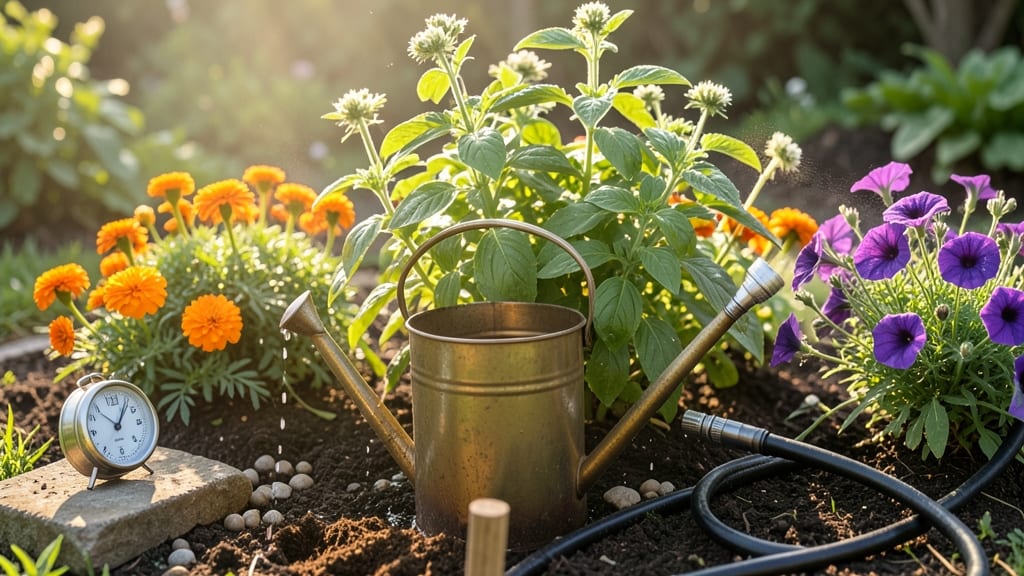
Watering your garden at the best time can transform your plants from wilting to thriving—science shows morning watering is the gold standard for most climates.
Struggling to decide whether to water your garden at dawn or dusk? The timing of your watering routine can make the difference between thriving plants and wasted effort—here’s what science says about maximizing moisture efficiency.
Morning watering lets roots soak up moisture before the heat of the day, while evening sessions risk fungal growth and evaporation. But what if you’re in a humid climate? Or dealing with drought-resistant plants? We’ll break down the science-backed rules for every situation.
Discover how to adjust your schedule for seasonal shifts, avoid common mistakes, and keep your General Garden 🌱 lush without overwatering—no guesswork, just results.
Morning watering benefits: why early hours win for plant health
When you water your garden in the morning, you're not just following a routine—you're giving your plants the best chance to thrive. Morning watering aligns perfectly with how plants naturally absorb moisture, offering benefits that evening watering simply can't match.
Studies show that plants absorb up to 30% more water in cooler morning hours, when evaporation rates are lowest and roots are most active.
One of the biggest advantages is reduced evaporation loss. Watering early means the soil has hours to absorb moisture before the midday sun turns your garden into a desert. This efficiency translates to healthier plants with fewer signs of stress, like wilting or yellowing leaves.
Plus, morning watering helps prevent fungal diseases by allowing foliage to dry quickly, reducing the ideal damp conditions for pathogens like powdery mildew.
Botanists recommend watering between 6 AM and 10 AM for optimal results. This window ensures that plants have all day to utilize the water before evening temperatures drop.
For example, my tomato plants show significantly better fruit set when watered in the morning, likely because their roots can access moisture during peak growth periods. Even container gardens benefit from this routine, as potted plants dry out faster and need consistent hydration.
Here's how morning watering stacks up against other times of day:
| Watering Time | Evaporation Risk | Fungal Risk | Root Absorption | Best For |
|---|---|---|---|---|
| Morning (6-10 AM) | Low | Low | High | Most plants |
| Midday (10 AM-4 PM) | Very High | Medium | Low | Emergency only |
| Evening (6-10 PM) | Medium | High | Medium | Drought areas |
Another key benefit is how morning watering supports natural plant hydration cycles. Many plants, including vegetables like peppers and cucumbers, have evolved to absorb water during cooler parts of the day.
When you water in the morning, you're working with this natural rhythm, helping plants grow stronger and produce better yields. For instance, my herb garden shows noticeably faster regrowth when watered early, likely because the roots can access moisture before the day's heat sets in.
For container plants, morning watering is especially critical. Pots dry out quickly, and watering in the evening can lead to stagnant moisture that encourages root rot.
By watering containers in the morning, you ensure they have time to dry out slightly before nightfall, which is crucial for preventing soil-borne diseases. Even indoor plants near windows benefit from this routine if you simulate morning watering by keeping them on a consistent schedule.
Research from the American Society for Horticultural Science confirms that morning watering reduces water waste by up to 40% compared to evening watering. This efficiency isn't just good for your plants—it's also better for the environment and your water bill.
When I switched my garden to morning watering, I noticed my drought-tolerant succulents required less frequent watering, likely because the soil retained moisture better during the cooler hours.
If you're using an automated irrigation system, programming it to run in the early morning can make an even bigger difference. Many smart sprinklers allow you to set specific times, so you can take full advantage of the 6 AM to 10 AM window.
For manual watering, aim to finish by 9 AM at the latest to give plants plenty of time to dry out before nightfall. This small adjustment can make a huge difference in your garden's overall health and productivity.
One common misconception is that watering in the morning means you have to wake up earlier. However, even a 10-minute morning routine can make a difference.
For example, I water my vegetable garden for just 10 minutes each morning, and the results—healthier plants, fewer pests, and better yields—are well worth the effort. The key is consistency; sticking to a morning schedule trains your plants to expect and utilize water efficiently.
So next time you're debating whether to water your garden in the morning or evening, remember: science is on the side of early watering. It's not just about convenience—it's about giving your plants the best possible start to their day.
With these benefits, it's clear why morning watering is the gold standard for plant care. 🌱
Evening watering risks: when late watering harms your garden
Watering your garden in the evening might seem convenient after a long day, but it can actually undermine plant health in surprising ways. When moisture lingers on leaves and soil overnight, it creates the perfect conditions for fungal diseases like powdery mildew and blight to thrive.
This is especially true in humid climates where dampness doesn't evaporate quickly.
The problem isn't just fungal growth—evening watering also leads to wasted water through evaporation. Unlike morning watering, evening moisture doesn't have time to soak deeply into the soil before the sun goes down.
Instead, much of it evaporates into the air, leaving your plants thirsty again by dawn and forcing you to water more frequently.
Additionally, wet foliage at night can attract pests like slugs and snails, which are nocturnal and drawn to damp environments. These pests will then feed on your plants, causing additional damage that could have been prevented with proper timing.
⚠️ Why Evening Watering Backfires
- Fungal growth: Damp leaves overnight invite powdery mildew and rust (common in tomatoes and roses).
- Wasted water: Up to 30% more evaporation than morning watering in dry climates.
- Pest magnet: Slugs and snails thrive in moist evening conditions, targeting tender leaves.
- Root stress: Shallow watering prevents deep root development, making plants more drought-prone long-term.
Exception: Dry, arid climates (like desert regions) may benefit from late evening watering to prevent daytime evaporation—but even then, early morning is still better.
That said, there are a few exceptions where evening watering might be less harmful. In dry, arid regions, like the Southwest U.S., watering just before sunset can help moisture penetrate the soil before extreme daytime heat evaporates it.
However, this is still not ideal—morning watering remains the gold standard for most gardens.
For container gardens or potted plants, evening watering is slightly less risky because water drains quickly. But even here, morning watering ensures the soil has time to dry slightly between waterings, reducing fungal risks.
If you must water in the evening, aim to water the soil directly (not overhead) and avoid wetting leaves whenever possible.
To fix evening watering habits, try setting a morning alarm or using a smart irrigation timer programmed for early hours. Many gardeners find that even a 15-minute shift from evening to morning makes a dramatic difference in plant vitality and water efficiency.