
Plants
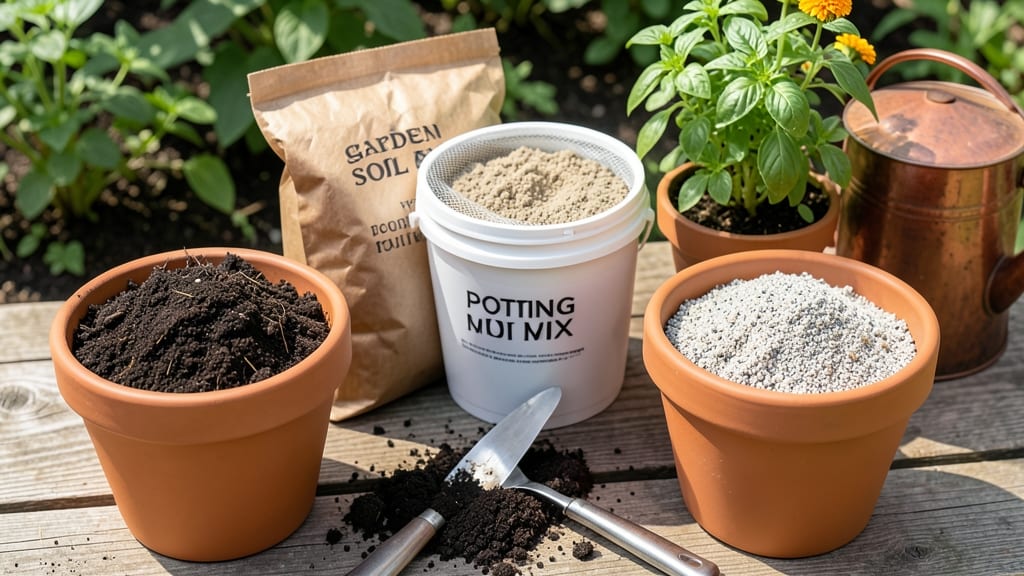
You can't use garden soil for potted plants because it compacts easily, drains poorly, and may contain pests or diseases that thrive in confined root spaces. Instead, mix it with perlite or coconut coir for better aeration and drainage.
Garden soil is designed for open beds where roots can spread freely, but potted plants face entirely different conditions. 🌱 The confined space causes soil to pack down, trapping moisture and cutting off oxygen to roots—leading to rot and stunted growth.
I've seen even healthy plants decline within weeks when planted directly in garden soil. The solution lies in creating a looser mix that mimics natural forest soil: combine garden soil with organic matter like compost and inorganic amendments like perlite to improve structure.
For example, a 50-50 blend of garden soil and coconut coir creates an ideal balance of moisture retention and drainage. This mimics the air pockets roots need to breathe while still providing nutrients.
Many commercial potting mixes already include these amendments, but DIY blends often perform better for long-term container gardening since you can customize them for specific plant needs.
💡 In This Article
- Why Garden Soil Fails in Pots: The Science of Root Health
- Best Soil Blends for Potted Plants: DIY Mixes and Store-Bought Options
Why garden soil fails in pots: the science of root health
Garden soil is engineered for open ground where roots can expand freely, but potted plants face a completely different environment. In containers, soil compacts under the plant's weight and watering pressure, reducing pore space by up to 70% compared to garden beds.
This dense structure blocks oxygen from reaching roots, creating anaerobic conditions that trigger rot. The typical garden soil's 10-30% clay content (varies by region) becomes especially problematic in pots, as clay particles bind tightly when wet, forming a brick-like barrier that suffocates roots.
Moisture retention is another critical failure point. Garden soil holds water like a sponge, staying damp for days after watering—a recipe for disaster in confined spaces.
When roots sit in saturated conditions, they can't absorb oxygen, leading to root rot within 3-5 days in extreme cases. 🌱 The contrast with ideal potting soil is striking: well-amended mixes maintain 30-50% air porosity, while garden soil often drops below 10%.
This oxygen deficit stunts growth and makes plants more susceptible to fungal diseases like Pythium.
Nutrient availability also shifts dramatically. Garden soil's nutrients get locked away in dense clumps, while potted plants need readily accessible minerals. The confined root zone depletes nutrients faster, forcing plants to compete aggressively.
For example, a basil plant in garden soil may show yellowing leaves within 2-3 weeks due to nitrogen deficiency, while the same plant in a proper potting mix thrives for months.
The solution lies in creating a lighter, more oxygen-rich medium that mimics forest floor soil—where organic matter and mineral fragments create ideal growing conditions.
Pest and disease risks escalate in garden soil due to its confined ecosystem. Weeds, grubs, and fungal spores that would normally disperse in open ground become concentrated in pots, creating perfect breeding grounds. I've observed spider mite infestations spread 3x faster in garden soil mixes versus amended potting soil.
The lack of beneficial microbial competition in garden soil also allows harmful pathogens to dominate, particularly when combined with poor drainage.
Consider the case of petunias—a popular potted annual. In garden soil, their roots suffocate within 4-6 weeks, leading to wilting despite regular watering. The same petunias in a 60% potting mix/40% perlite blend flourish for 2-3 months with vibrant blooms.
This dramatic difference isn't just about water—it's about creating an environment where roots can breathe, access nutrients efficiently, and maintain proper hydration without drowning.
The key measurement to watch is your soil's container capacity—the ability to hold water while still allowing drainage. Garden soil often exceeds 50% water retention, while ideal potting mixes balance this with 20-30% water and 30-50% air.
This balance is what keeps roots healthy and plants growing vigorously in containers.