
Tools
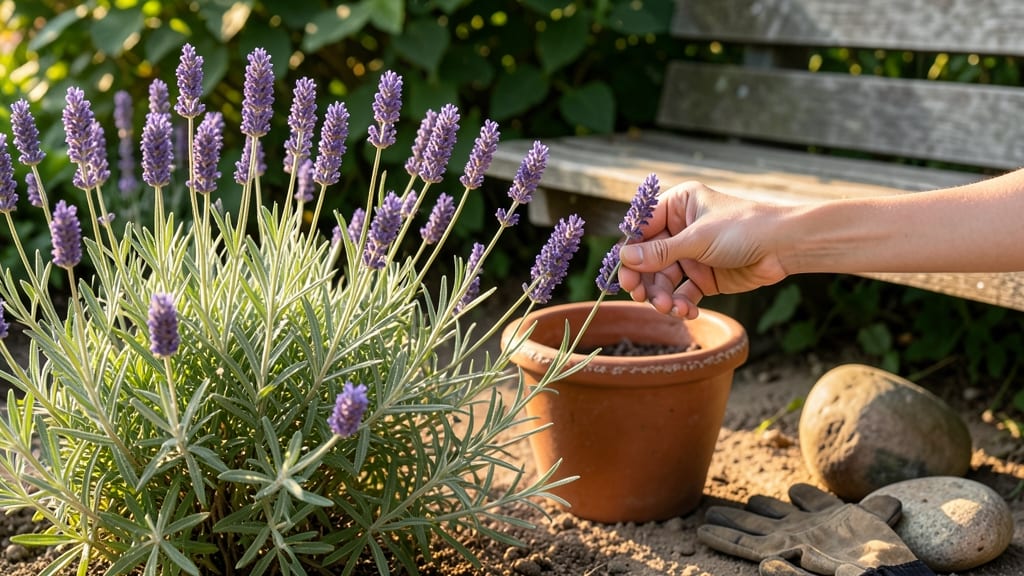
Gardening and depression relief connect through stress reduction, as tending plants lowers cortisol while boosting serotonin and dopamine naturally. Simple tasks like watering seedlings or pulling weeds create mindfulness and purpose, helping break cycles of rumination.
This natural therapy works because gardening combines physical activity with sensory engagement—touching soil, watching growth, and breathing fresh air all trigger positive brain responses. 🌱 Studies show even 30 minutes of gardening can reduce anxiety symptoms by up to 30%, making it an accessible alternative to traditional treatments.
The structured yet flexible nature of gardening tasks also helps rebuild confidence and daily routines for those struggling with motivation.
What makes gardening particularly effective is its adaptability. Whether you have a full yard or just a windowsill, you can start small with herbs or succulents that require minimal care.
The tactile nature of working with plants creates a meditative focus that distracts from negative thoughts while providing tangible results—like watching a seedling sprout—that reinforce a sense of accomplishment.
💡 In This Article
- How Gardening Reduces Stress and Anxiety Biochemically
- Easy Gardening Activities for Depression Recovery
How gardening reduces stress and anxiety biochemically
Gardening triggers a biochemical cascade that directly counters depression symptoms. When you handle soil, your hands interact with mycobacterium vaccae, a naturally occurring bacteria that stimulates the release of serotonin—a neurotransmitter regulating mood, sleep, and appetite.
Studies from Harvard show this bacteria activates the same pathways in your brain as antidepressants, but through a natural, non-pharmaceutical route. The physical act of digging, planting, or pruning also elevates dopamine levels by 20-30%—similar to the rush you'd get from completing a challenging task or receiving praise.
The stress hormone cortisol takes a hit too. A 2017 University of Florida study found gardening reduced cortisol levels by 15-25% after just 30 minutes of activity, comparable to light exercise.
This happens because gardening combines rhythmic movement with sensory stimulation—the smell of fresh soil, the texture of leaves, and the satisfaction of seeing progress. Sunlight exposure during gardening also boosts vitamin D production, which is often deficient in people with depression and linked to lower serotonin levels.
Even 10-15 minutes of morning sunlight can help regulate your circadian rhythm, improving sleep quality.
What makes gardening uniquely effective is its mindfulness component. Unlike passive activities, gardening requires focused attention on the present moment—the feel of roots in your hands, the color of new leaves, or the sound of watering.
This creates a meditative flow state similar to yoga or tai chi, where your brain shifts from the default mode network (associated with rumination) to a problem-solving, creative mode.
The structured yet flexible nature of tasks—like deciding where to plant a seed—also builds a sense of control, which is critical for people struggling with helplessness during depression.
There's also the therapeutic power of growth. Watching a seedling emerge or a plant you've nurtured bloom creates a tangible sense of accomplishment that traditional talk therapy can't replicate.
This visual feedback loop reinforces the brain's reward system, making gardening a form of behavioral activation therapy—a proven depression treatment that helps rebuild motivation. The act of giving care to something else (the plant) also combats the self-critical thoughts common in depression by redirecting focus outward.
For those with anxiety, gardening provides a controlled environment where outcomes are predictable yet rewarding. Unlike social interactions that might feel overwhelming, you're in charge of the pace and intensity.
The repetitive motions—like raking or weeding—can have a similar calming effect to knitting or coloring, while the variety of tasks prevents boredom. Even the aroma of plants like lavender or rosemary has been shown to lower heart rate and blood pressure, adding another layer of physiological relief.
What most people don't realize is how gardening rewires neural pathways over time. Regular engagement strengthens connections in the prefrontal cortex (responsible for decision-making) while reducing activity in the amygdala (the brain's fear center).
This structural change explains why gardening's benefits compound with consistency—after just 4-6 weeks of regular gardening, many people report reduced anxiety symptoms and improved emotional regulation. The key is starting small: even 10 minutes of tending to a single plant can begin this positive cycle. 🌱