
Advice
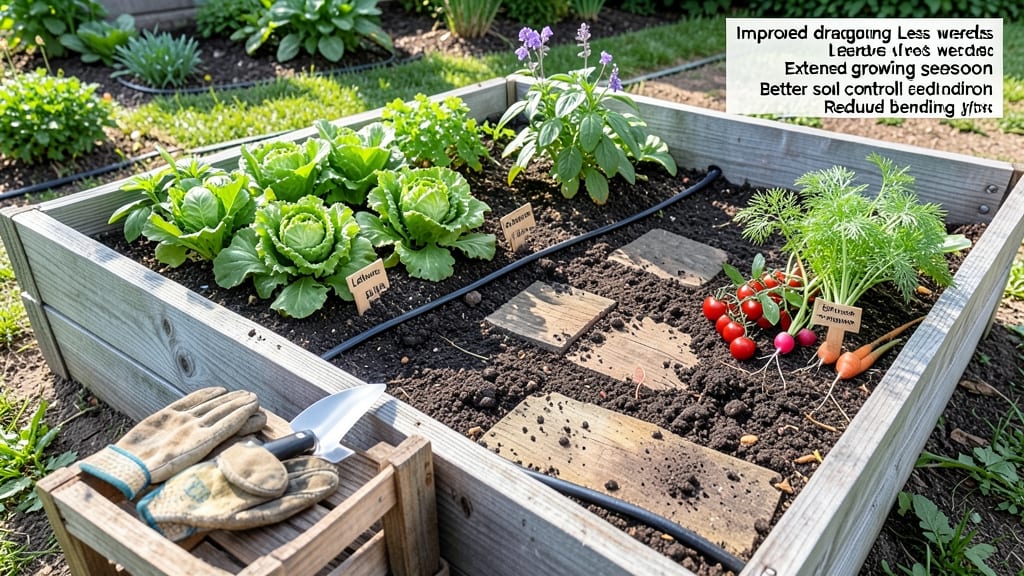
The benefits of raised garden beds include better drainage, quicker soil warming, and fewer weeds, which help lengthen growing seasons, reduce gardening strain, and improve plant vitality and productivity.
Raised garden beds heat up 2-3 weeks earlier than ground soil because they absorb sunlight from all sides and stay warmer overnight. 🔥 This extended growing season lets you plant cool-weather crops like lettuce in early spring or harvest tomatoes later in fall.
The elevated design also keeps roots in well-draining, nutrient-rich soil, which prevents waterlogging and root rot while giving plants more space to develop stronger root systems.
Beyond the science, these beds make gardening more manageable. The controlled soil environment means you can customize the mix for your plants' needs—whether that's sandy soil for carrots or rich compost for tomatoes.
Plus, the reduced bending protects your back, and the contained design minimizes weed growth by blocking sunlight from reaching the soil surface. I've found that raised beds also deter pests like slugs and rabbits, since they're harder to access than ground-level plots.
💡 In This Article
- How Raised Beds Improve Soil Temperature and Plant Growth
- Practical Advantages of Raised Garden Beds for Gardeners
How raised beds improve soil temperature and plant growth
The elevated structure of raised garden beds creates a microclimate that warms soil more efficiently. Unlike ground soil, which absorbs heat only from the top, raised beds capture sunlight from all four sides—this "360-degree warming" can raise soil temperatures by 5-10°F compared to in-ground plots.
The air circulation around the sides also prevents heat loss at night, maintaining warmer conditions longer. Studies show raised beds can reach ideal planting temperatures (50-60°F) 2-3 weeks earlier in spring, giving you a head start on cool-season crops like spinach or peas.
This temperature advantage extends your growing season at both ends. In fall, raised beds hold warmth longer, allowing you to harvest heat-loving crops like basil or peppers 2-4 weeks later than ground plots.
The deeper soil profile (typically 12-18 inches deep) also creates a larger root zone where plants can access nutrients and moisture without competition. For example, tomatoes in raised beds develop 30-50% larger root systems than in-ground plants, leading to more robust vines and higher yields.
The extra depth also prevents root-bound conditions that stifle growth in shallow containers.
Beyond temperature, raised beds optimize moisture retention and drainage. The custom soil mix (often 60% topsoil, 30% compost, 10% perlite) drains excess water while holding 20-30% more moisture than native soil, reducing irrigation needs by 30-50%. This is especially valuable for drought-prone regions where water conservation is critical.
The improved aeration from the loose soil structure also promotes beneficial microbial activity, breaking down organic matter 2-3 times faster than compacted ground soil and releasing nutrients more efficiently.
For gardeners in cooler climates, this means you can grow crops like sweet potatoes or okra that typically require 120+ frost-free days—even in zones where the growing season normally falls short.
The bed's ability to warm quickly also helps prevent "cold soil shock," where delicate seedlings wilt when planted too early. I've seen seedlings transplanted into raised beds establish 50% faster than those in ground soil because the warmer environment encourages root growth immediately.
The controlled environment also minimizes temperature fluctuations that stress plants.
Another key benefit is the reduced competition for nutrients. In ground plots, roots from weeds and grass compete with your crops for water and minerals. Raised beds eliminate this competition by containing the planting area, directing all nutrients to your chosen plants.
For example, blueberries—which thrive in acidic soil with a pH of 4.5-5.5—grow 40% more vigorously in raised beds where you can maintain precise soil chemistry without mixing with alkaline ground soil. This targeted approach maximates your investment in soil amendments and fertilizers.
Consider this real-world example: In a 2019 University of Minnesota study, raised beds produced 25% more zucchini than in-ground plots over the same season, despite using identical fertilizer amounts. The difference came from the beds' ability to maintain optimal moisture and temperature throughout the growing period.
For home gardeners, this translates to more abundant harvests with less effort—whether you're growing vegetables, herbs, or flowers. The science shows that raised beds don't just make gardening easier; they make it more productive.