Watering
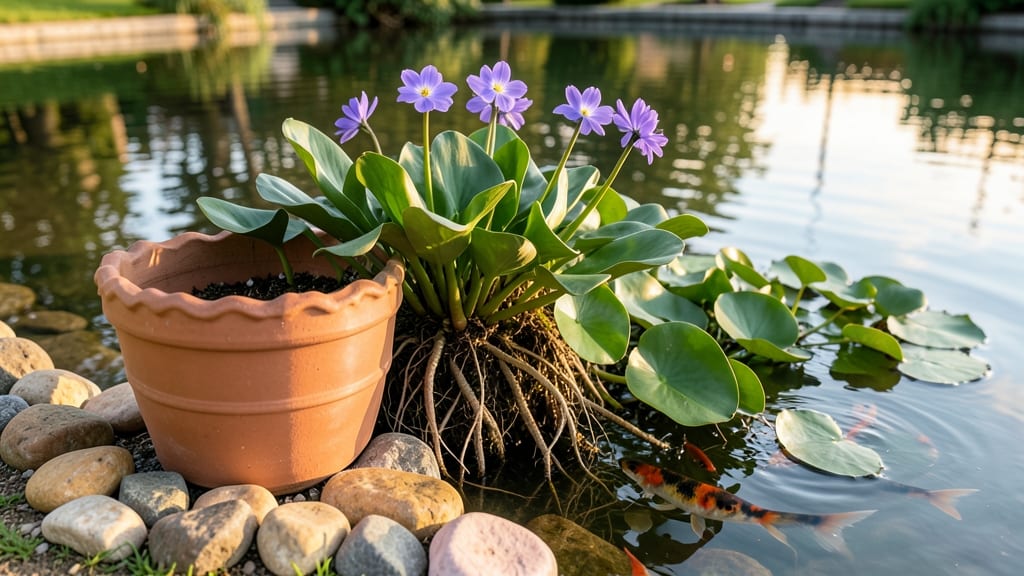
Growing container water garden plants in small spaces is easier than you’d think—with the right plants and setup, you can create a tranquil aquatic retreat on a balcony or patio.
Picture this: a tiny pond bursting with life, where water lilies float like green umbrellas and marginal plants sway at the edges. The best part? You don’t need a backyard—just a container, some water, and a few low-maintenance 🌿 Water Garden Plants to get started.
Whether you’re a beginner or a seasoned gardener, the key is choosing the right varieties for your space and conditions. Some thrive in just a few inches of water, while others need deeper containers—we’ll break down the best options for your setup.
From selecting the perfect container to keeping your water garden lush and pest-free, this guide covers everything you need to turn your small space into a serene aquatic haven.
Best low-maintenance container water plants for small spaces
Creating a mini water garden in containers is one of the easiest ways to bring nature’s tranquility to small spaces. With the right low-maintenance container water plants, you can enjoy a thriving aquatic ecosystem without the hassle of large ponds.
These plants require minimal care, fit in tight spaces, and create beautiful focal points for balconies, patios, or even indoor setups.
The key to success is selecting hardy aquatic plants that thrive in shallow water or moist soil. These include floating plants like water hyacinth, oxygenators such as hornwort, and marginal plants like sweet flag.
Each type plays a role in maintaining a balanced ecosystem while adding aesthetic appeal. For beginners, I recommend starting with these easy-care varieties that adapt well to containers.
| Plant Type | Sunlight Needs | Water Depth | Maintenance | Best For |
|---|---|---|---|---|
| Floating Plants (e.g., Water Hyacinth, Duckweed) | Full Sun to Partial Shade | 0–6 inches | Very Low | Oxygenation, Shade |
| Oxygenators (e.g., Hornwort, Anacharis) | Partial Shade to Full Sun | 6–18 inches | Low | Water Clarity, Fish Habitats |
| Marginal Plants (e.g., Sweet Flag, Pickerelweed) | Full Sun to Partial Shade | 1–6 inches (rooted) | Moderate | Edges, Texture, Wildlife |
| Submerged Plants (e.g., Waterweed, Vallisneria) | Partial Shade to Full Sun | 12–24 inches | Low | Depth, Aquascaping |
| Bog Plants (e.g., Marsh Marigold, Cattails) | Full Sun to Partial Shade | 0–3 inches (moist soil) | Low | Wetland Gardens, Pollinators |
One of my favorite low-maintenance options is the water hyacinth. This floating plant spreads quickly, providing shade to prevent algae while requiring almost no upkeep. It thrives in containers as shallow as 6 inches and blooms with stunning purple flowers.
For a more structured look, pickerelweed is a marginal plant that produces vibrant red blooms and tolerates partial shade.
If you’re aiming for crystal-clear water, hornwort is an excellent oxygenator. This hardy plant grows submerged and helps maintain water quality with minimal effort. It’s perfect for small containers and can even be planted in gravel or sand at the bottom.
Another great choice is anacharis, which stays compact and adds lush greenery to your setup.
For beginner-friendly marginal plants, sweet flag is a standout. Its grassy foliage and pleasant scent make it ideal for container edges.
It prefers moist soil but can handle brief dry spells, making it versatile for small spaces. Cattails are another low-maintenance option, though they grow taller—ideal for deeper containers or larger setups.
Don’t overlook bog plants like marsh marigold. These thrive in shallow water or moist soil and add bright yellow blooms to your garden. They’re perfect for small containers and attract pollinators, adding life to your space.
For a textural contrast, pair them with submerged plants like vallisneria, which adds vertical interest without requiring frequent pruning.
When selecting plants, consider your container size and sunlight exposure. Most floating plants and oxygenators do well in partial shade, while marginal plants like pickerelweed need full sun to bloom.
Always ensure your container has proper drainage to prevent root rot, even if the plants are aquatic. A simple liner or plastic container with holes works perfectly for most setups.
One common mistake is overcrowding your container. Give each plant enough space to grow—typically 6–12 inches between plants—to prevent competition for nutrients. Prune regularly (every 4–6 weeks) to keep your garden tidy and encourage new growth.
For floating plants, simply remove excess foliage to maintain balance in the water.
With these low-maintenance container water plants, you can create a self-sustaining ecosystem that’s as beautiful as it is easy to care for. Whether you’re a beginner or a seasoned gardener, these varieties will bring life and serenity to your small space—with minimal effort on your part. 🌿
How to choose the right container for your water garden plants
Selecting the perfect container for your water garden plants is just as important as choosing the plants themselves. The right container ensures proper root health, water circulation, and aesthetic appeal.
Whether you're working with a pre-made pond liner or a DIY solution, focus on factors like material durability, container depth, and sunlight exposure to create an ideal aquatic habitat.
First, consider the size and depth of your container. Most aquatic plants require at least 6 inches of water for their roots, while larger plants like water lilies need 12-18 inches. Marginal plants, which grow at the water’s edge, thrive in shallower containers with 3-6 inches of water.
Measure your space carefully to avoid overcrowding, which can lead to poor oxygenation and algae growth.
Next, think about the material of your container. Plastic and fiberglass are lightweight and affordable, making them great for balcony gardens. Ceramic or stone containers offer a more natural look but may crack in freezing temperatures.
For larger setups, pre-formed pond liners or HDPE containers provide durability and flexibility. If you're crafty, DIY options like repurposed bathtubs or troughs can work beautifully with a little sealing and drainage planning.
Container Comparison for Water Garden Plants
| Container Type | Best For | Material | Depth Range | Sunlight Needs |
|---|---|---|---|---|
| Plastic Tubs | Marginal plants | Plastic | 3-6 inches | Partial shade |
| Fiberglass Pond | Water lilies | Fiberglass | 12-18 inches | Full sun |
| Ceramic Planters | Small bog plants | Ceramic | 4-8 inches | Partial shade |
| DIY Trough | Oxygenators | Wood/Stone | 2-5 inches | Full sun |
| Pond Liner | Large aquatic plants | EPDM Rubber | 6-24 inches | Full sun to partial shade |
Don’t overlook drainage and filtration, even in water gardens. While aquatic plants don’t need traditional drainage holes, you’ll want to include a submersible pump or sponge filter to maintain water quality.
Stagnant water breeds mosquitoes and algae, so aim for gentle circulation. If your container lacks built-in filtration, add a small water feature like a solar-powered fountain to keep the water moving naturally.
Finally, position your container in a spot that matches your plants’ sunlight requirements. Tropical plants like water lilies need 6+ hours of direct sun, while temperate varieties thrive in partial shade. Avoid placing containers near overhanging trees, which can drop leaves and clog your water.
If you’re using a glass or ceramic container, ensure it’s placed where it won’t overheat in direct sun, as this can harm delicate roots.
With the right container, your water garden plants will flourish year-round, creating a stunning focal point in any space. Start small, experiment with different setups, and don’t hesitate to mix materials for a unique look. Happy gardening! 🌿