
Planting
Gardening in Fort Worth thrives in USDA Hardiness Zones 8a and 8b, where microclimates push some areas into Zone 7b, enabling tropical plants like bougainvillea and citrus to flourish year-round. The region's intense summer heat and periodic drought demand careful water management and mulching to protect plants.
Fort Worth's zone classification isn't just about numbers—it reflects the city's dramatic temperature swings, from 90°F+ summers to occasional winter dips below freezing. 🌡️ The Trinity Trails area often experiences milder winters than downtown due to elevation differences, creating microclimates that can shift your plant hardiness by a full zone.
For example, while bougainvillea may survive winters in sheltered downtown spots, rural areas might need winter protection for tender species.
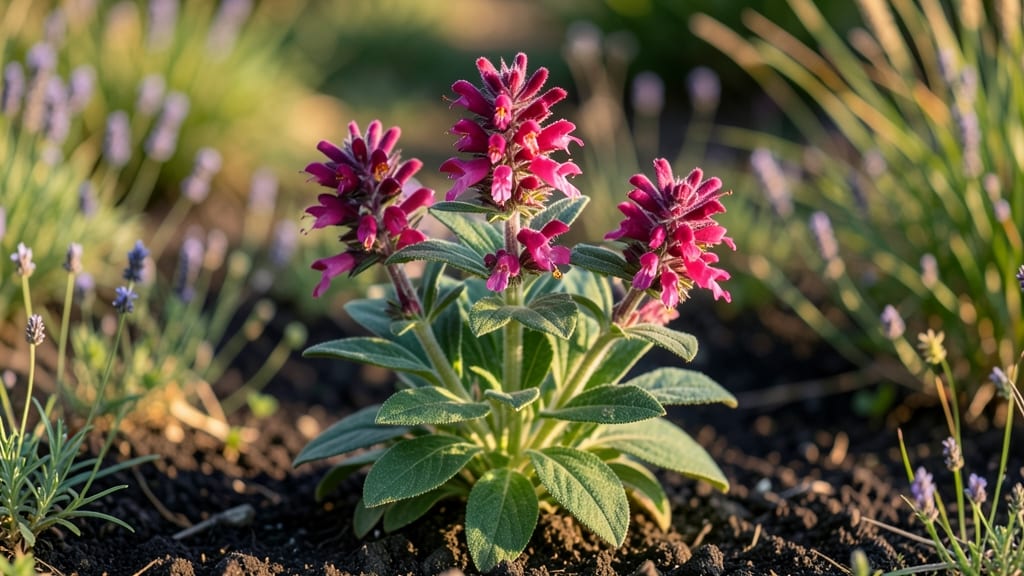
Beyond zone selection, Fort Worth's drought-prone summers (often 100 days over 90°F) demand smart watering strategies. Native plants like cedar sage and blackfoot daisy thrive with minimal irrigation, while vegetables like sweet potatoes and okra handle heat better than traditional row crops.
I always recommend drip irrigation for new plantings to establish deep root systems before summer hits.
💡 In This Article
- Understanding Fort Worth’s USDA Zone 8a/8b Climate Nuances
- Best Plants for Fort Worth’s Heat and Drought Conditions
Understanding Fort Worth’s USDA Zone 8a/8b climate nuances
Fort Worth’s classification as USDA Zones 8a and 8b stems from its average annual minimum temperatures of 10-15°F (Zone 8a) and 15-20°F (Zone 8b), but the real story lies in its dramatic seasonal shifts.
The city’s last spring frost typically occurs around March 15th, while the first fall frost arrives by November 15th—though urban heat islands can delay frost by 1-2 weeks in downtown areas.
This compressed growing window forces gardeners to time plantings precisely, especially for tender perennials like bougainvillea and citrus.
Microclimates play a starring role here, with elevation differences creating stark contrasts. The Trinity Trails area (elevation ~650 ft) often enjoys 5-10°F warmer winters than downtown (elevation ~600 ft), allowing Zone 8b plants to thrive where Zone 8a species might struggle.
Soil temperatures add another layer—urban concrete absorbs heat, keeping root zones 5-10°F warmer than rural clay soils, which can benefit heat-loving plants like sweet potatoes but stress moisture-sensitive varieties. 🌡️
The city’s summer heatwaves (often 100°F+ for 30+ days) create unique challenges. While Zone 8’s warm winters suit tropical plants, the relentless summer sun demands afternoon shade for heat-sensitive species.
Mulching with 3-4 inches of wood chips helps retain moisture and stabilize soil temps, while drip irrigation (delivering 1-1.5 gallons per plant daily) prevents shallow root systems from drying out during droughts.
Here’s where things get interesting: Fort Worth’s drought cycles (average 28 inches annual rainfall, with 50% falling in spring) mean summer water restrictions can push plants into survival mode.
Native species like cedar sage and blackfoot daisy handle this better than imports, thanks to their deep taproots that access groundwater. Even citrus trees, while Zone 8b hardy, may need winter mulch blankets in exposed areas to prevent root freeze damage.
For data-driven gardeners, the National Weather Service’s Fort Worth climate normals show that 90% of years experience at least one freeze below 20°F, while heatwaves exceeding 105°F occur 15+ days annually.
This variability means container gardening (with movable pots) gives you flexibility to protect tender plants during cold snaps or move them to shade during heatwaves. The key is matching plant hardiness to your specific microclimate—not just the zone number.
Pro tip: Use the Texas A&M AgriLife Extension’s Plant Database to cross-reference USDA zones with Texas Superstar® plants—these varieties are bred to thrive in our exact conditions.
For example, ‘Blackfoot Daisy’ (Melampodium leucanthum) handles 110°F heat with ease, while ‘Mexican Feather Grass’ (Nassella tenuissima) requires zero summer watering once established. 🌵