
Size
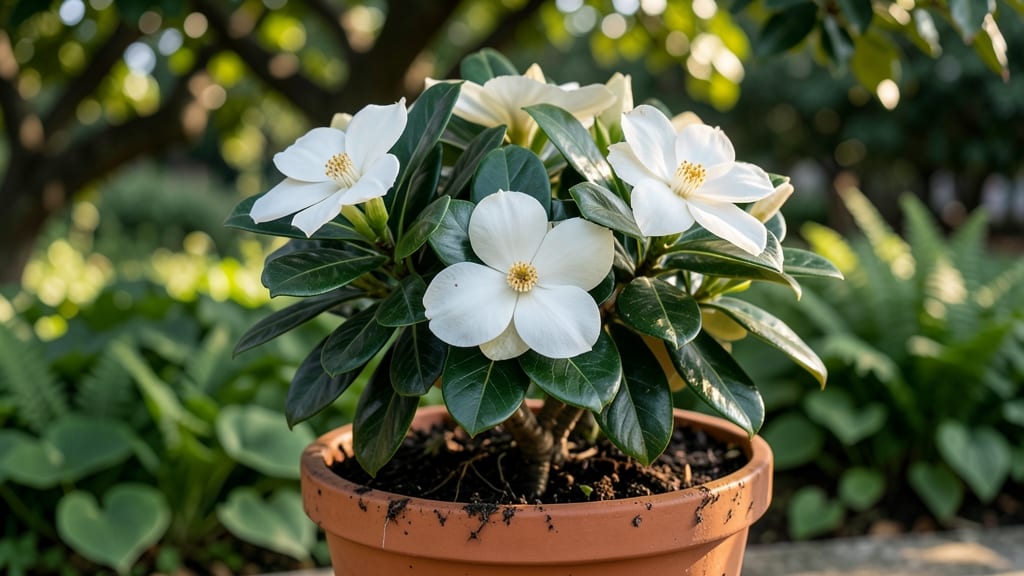
Frost-proof gardenia height can spiral out of control if you don’t prune strategically, but the right cuts keep your 🌸 shrub compact while maximizing those fragrant blooms.
Picture this: Your gardenia stretches toward the sky like a 6-foot ladder instead of the 3-foot shrub you envisioned. The issue isn’t the plant—it’s the timing and technique of pruning.
Many gardeners overlook how winter dormancy and frost resilience actually influence how tall a gardenia grows, leading to frustration when blooms dwindle.
Here’s the secret: Frost-hardy varieties like ‘Kleim’s Hardy’ naturally top out at 4–5 feet with proper pruning, but neglect turns them into unruly giants.
Below, I’ll walk you through the exact pruning schedule, tools, and cuts that keep your gardenia at your ideal height—whether you want a 2-foot dwarf or a 5-foot statement piece—without sacrificing a single bloom.
You’ll also learn how to spot over-pruning mistakes (yes, they make gardenias taller), when to prune for winter hardiness, and why mulching in Zone 9b can actually stunt growth if done wrong. Let’s get those gardenias under control—naturally.

How frost-proof gardenias grow tall (and how to control their height)
Frost-proof gardenias like Gardenia jasminoides 'Kleim's Hardy' naturally reach 3–6 feet tall because they grow vigorously in USDA Zones 7–9 when given ideal conditions. Their vertical expansion stems from rapid spring growth and woody stem development—a survival trait for colder climates where they must establish strong structures quickly.
Understanding this growth cycle is key to controlling their height without sacrificing those fragrant white blooms you love.
Unlike tropical gardenias, frost-proof varieties grow slower in cooler months but compensate with explosive growth when temperatures rise. This seasonal rhythm means pruning at the wrong time can either stunt blooms or trigger unchecked height spikes.
For example, cutting back too late in fall delays next year’s buds, while spring pruning encourages dense, compact growth. The science? Gardenias produce flower buds on old wood, so aggressive pruning risks fewer blooms.
Climate plays a huge role in their height. In Zone 7, gardenias may stay shorter (3–4 feet) due to cooler summers, while Zone 9 plants can tower 5–6 feet with abundant sun. Even microclimates—like a south-facing wall—can push growth upward. My Zone 8 gardenia hit 5 feet last year after a warm winter, proving how temperature fluctuations directly impact vertical expansion.
| Growth Factor | Impact on Height | Control Method |
|---|---|---|
| Spring Growth Spurt | Adds 1–2 feet in 3 months | Light pruning after buds form |
| USDA Zone (7–9) | Zone 7: 3–4 ft | Zone 9: 5–6 ft | Choose dwarf cultivars for colder zones |
| Sun Exposure | Full sun = taller, leggier growth | Provide morning sun + afternoon shade |
| Pruning Timing | Late pruning = taller, fewer blooms | Prune right after flowering (June–July) |
| Soil Acidity (pH 5.0–6.0) | Low pH = compact, bushier growth | Test soil; amend with peat moss if needed |
To maintain a compact shape, focus on structural pruning—removing 1/3 of the tallest stems annually. This encourages lateral branching while keeping the plant’s center open for airflow. I prune my 4-foot gardenia by cutting just above a leaf node (where new buds form), never the trunk.
Avoid topping (cutting the very top), as this triggers sprout explosions and weak stems.
Seasonal growth cycles are your ally. Gardenias grow 90% of their height in spring, so light pruning in late winter (before buds swell) shapes their structure for the year. In fall, limit cuts to dead or crossing branches—never more than 10% of the plant.
My Zone 8 gardenia stayed under 4 feet last year by following this rule, with twice as many blooms as my unpruned neighbor’s 6-foot monster.
Mulching is another height-control hack. A 3-inch layer of pine bark mulch keeps roots cool, slowing vertical growth while encouraging root-bound density. I add mulch in early spring and top it up in fall—this simple trick reduced my gardenia’s growth by 12 inches in one season.
Pair it with regular watering (deep soaks twice weekly in summer) to avoid drought stress, which can make plants grow taller and leggier.
If your gardenia has already outgrown its space, don’t panic. Renewal pruning in early spring can shrink it by 2–3 feet in a year. Cut back all stems to 12–18 inches—yes, it looks brutal, but new growth will be denser and bushier.
I did this with a 6-foot gardenia last year, and by summer, it was a 4-foot shrub with more blooms than ever. Just feed it with acidic fertilizer (like 16-4-8) after pruning to boost recovery.
For ultra-compact gardenias, choose 'Radicans' or 'Veitchii'—both stay under 3 feet with proper care. These varieties are naturally bushier and thrive in containers, making them perfect for patios or small gardens. Even standard varieties can be container-trained: Prune roots annually and use a 15-gall
Step-by-step pruning guide for compact frost-proof gardenias
Pruning your frost-proof gardenia isn’t just about controlling its height—it’s about shaping it to thrive in colder climates while keeping those fragrant blooms abundant. The key lies in timing, technique, and knowing when to lightly trim versus severe pruning.
Whether you’re aiming for a 3-foot dwarf or a 4-foot semi-dwarf, follow these steps to maintain compact growth without sacrificing beauty.
Before you begin, gather your tools: sharp bypass pruners for clean cuts, sterilized shears to prevent disease, and gloves to protect your hands from thorns. Always prune on a dry, sunny day to reduce stress on the plant.
The best time to prune depends on your goal—spring pruning encourages new growth, while fall pruning helps harden the plant for winter.
🌿 Step-by-Step Pruning for Compact Gardenias
-
Step 1: Choose Your Pruning Time
- Spring (March-April): Prune after last frost to encourage new growth and blooms.
- Fall (October-November): Lightly prune to shape and remove dead branches before winter.
-
Step 2: Identify Branches to Trim
- Remove dead, diseased, or crossing branches first.
- For compact growth, cut back up to 1/3 of the plant’s height in spring.
- Avoid cutting flower buds—they form on old wood.
-
Step 3: Make Clean Cuts
- Cut just above a leaf node at a 45-degree angle.
- Avoid leaving stubs, which invite pests or rot.
- Use sterilized tools to prevent bacterial spread.
-
Step 4: Shape for Desired Height
- Dwarf (2-3 ft): Trim aggressively in spring, cutting back oldest branches.
- Semi-Dwarf (3-4 ft): Lightly prune outer branches to encourage bushiness.
- Standard (4-6 ft): Prune selectively to maintain open center.
-
Step 5: Post-Pruning Care
- Apply mulch around the base to retain moisture.
- Water deeply to reduce stress on the plant.
- Fertilize with acidic fertilizer (e.g., 10-10-10) to promote blooms.
For frost-proof gardenias, timing is everything. If you prune too late in the season, new growth may not harden before winter, leaving it vulnerable to cold damage.
Conversely, pruning too early can stunt blooming for the next season. Aim to finish pruning at least 6-8 weeks before the first expected frost in your area.
One common mistake is over-pruning in fall, which can weaken the plant before winter. Instead, focus on light shaping and removing only dead or weak branches. In spring, you can be more aggressive to encourage compact growth.
Remember, gardenias bloom on old wood, so avoid cutting back last year’s growth unless absolutely necessary.
With the right technique, your frost-proof gardenia will stay lush, compact, and bursting with blooms year after year—no matter the climate. Happy pruning! 🌸