Aphids
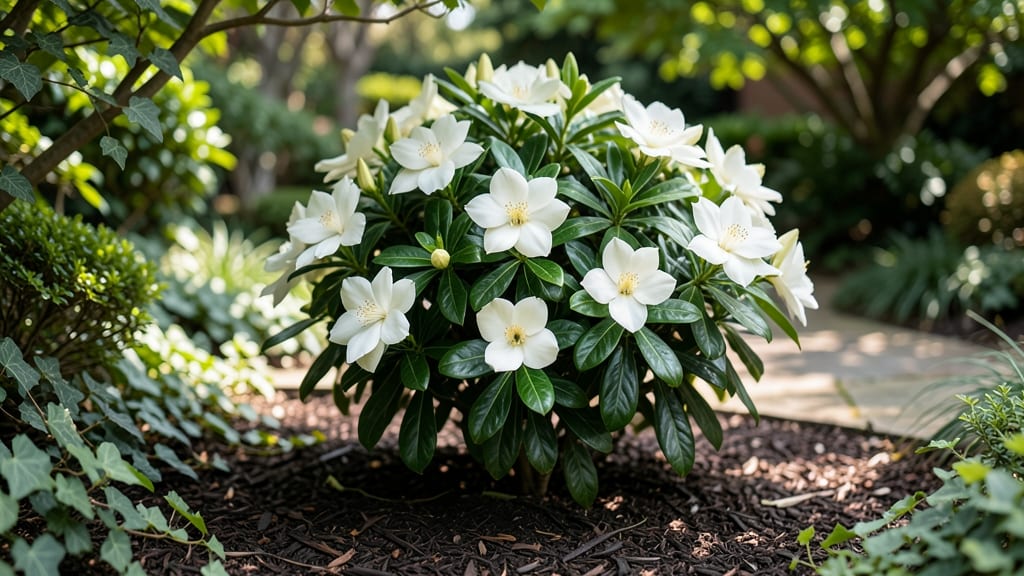
Understanding gardenia height and width is the first step to planning a fragrant, low-maintenance garden — and getting it wrong can mean years of crowded shrubs or wasted space.
If you’re dreaming of fragrant white blooms but wondering how much space your gardenia will need, you’re not alone. Many gardeners struggle with predicting their gardenia’s exact height and width, but the truth is, these evergreen shrubs can range from compact 1-foot dwarfs to towering 6-foot giants.
Knowing these dimensions is key to avoiding overcrowding or leaving gaps in your garden design.
Standard gardenias like Gardenia jasminoides typically reach 4–6 feet at maturity, while dwarf varieties stay under 2 feet. This means spacing matters—plant them 3–5 feet apart for full growth, or closer if you’re pruning regularly.
For containers, choose a dwarf variety and a pot at least 12–18 inches wide to accommodate their root system.
In this guide, you’ll discover the exact growth ranges for popular varieties, how to control size through pruning, and the best spacing for both garden beds and pots. Whether you’re designing a fragrant hedge or a single statement plant, these details will help you get it right the first time.

Gardenia height and width by variety: exact growth ranges
Choosing the right gardenia variety means understanding their mature size—some stay compact while others grow into grand shrubs. The Gardenia jasminoides family alone offers dwarf varieties under 2 feet to towering 6-foot standards.
These dimensions directly impact your garden design, container selection, and even pruning strategy. Let’s explore the exact growth ranges for 10+ popular varieties so you can plan with precision.
Most gardenias are slow-growing shrubs, reaching 50-75% of their mature height within 3 years. However, G. augusta (the largest species) can grow 10+ feet in ideal conditions, while ‘Radicans’ stays under 2 feet.
Their width often matches their height, creating a balanced, rounded shape perfect for hedges or specimen planting. Knowing these specifics helps you avoid overcrowding or underutilized space in your landscape.
🌿